
December 23, 2025 | Sexton Real Estate Group
Key Takeaways
- If you’re thinking of long-term real estate plays, you want to focus on East Bay neighborhoods with strong job markets, inexpensive housing, and development or growth. These are the factors that can drive stability and growth.
- Alameda, Richmond, Concord, Temescal in Oakland, and Livermore all have their own special perks for you as an investor or homeowner. These include community amenities, transit access, and rising property values.
- The region’s diverse economy, powered by tech, biotech, and green energy sectors, generates sustained demand for home ownership and rentals, which makes your investment more robust.
- Better infrastructure, such as expanded transit and revitalized downtowns, increases neighborhood desirability and can result in more real estate appreciation for your portfolio.
- Local policies (including ADU and rent control) will have a big impact on investment opportunities, so keeping up with policy changes will help you make wiser decisions.
- The East Bay’s vibrant arts scene and tight-knit communities contribute to its enduring allure, drawing everyone from young professionals to families and sustaining robust real estate values.
For the East Bay neighborhoods with the best long-term investment potential, it’s those with strong job growth, good schools, and easy links to public transport. You are going to see places like Rockridge, Berkeley, and Walnut Creek dominate studies for both consistent value and sustained tenant interest. These locations attract lots of young professionals and families seeking a blend of urban amenities and peace and quiet. When you look at local data, you see consistent growth in home prices and rents. Good schools and walkable shops help these areas maintain their edge. To assist you in evaluating your options, the full post deconstructs the major indicators of value as well as what trends to monitor as you plan your next move.
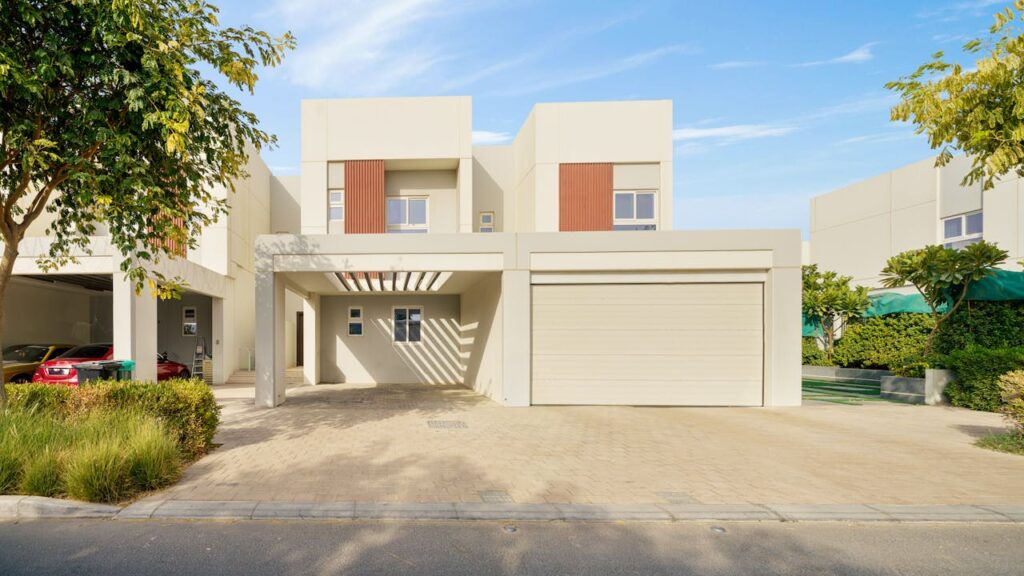
Why Invest In The East Bay?
The East Bay is unique in its melting pot of cultures, neighborhoods, and convenience for investors such as yourself. This area spans cities and communities with strong local identities—from Oakland’s creative energy to the quiet streets of El Cerrito and the suburban feel of Walnut Creek. You will find neighborhoods that fit many needs: some spots are great for young professionals who want quick commutes and nightlife, while others work well for families looking for schools and parks. For example, Berkeley has always had an academic and culinary ethos, attracting students, researchers, and families globally. Alameda’s small-island charm and strong sense of community call to those who seek a slower pace and convenient access to the water. This diversity provides a range of options to tailor your investment to your target resident, whether they are students, growing families, or remote workers laying new roots in the East Bay area.
The East Bay’s job market is another reason why its long-term growth looks strong. With big-name employers in tech, healthcare, education, and logistics, you’re witnessing a continual influx of new residents. Oakland and Emeryville, for instance, are home to regional HQs, start-ups, and established tech businesses. UC Berkeley is a magnet for academics, researchers, and international students. These hard-working professionals and star students have to live somewhere, so housing demand remains strong in the East Bay housing market. With its ports and warehouses, it means jobs for people working in shipping, import, and export. With so many jobs across fields, the risk of a sharp downturn remains low, reducing your investment risk in economic shifts.
Homes in the East Bay are still more easily attainable than in other areas of the Bay Area. San Francisco and Silicon Valley dominate the price per square meter, but you can get started in Richmond, San Leandro, or Hayward with houses and flats at a much lower price. In other words, you can get into the market without as much initial investment. Lower entry costs allow you to achieve a better return as rents in these areas remain robust due to all the employment growth. For example, you could get a two-bedroom flat in Richmond for roughly thirty percent less than an equivalent one in San Francisco. The gap in price per square meter compared to San Jose can be just as striking, giving you more space to experience gains as these nice neighborhoods mature.
Continued development and urban renewal give it an extra dimension of value. Cities such as Oakland have had billions invested in public transit, parks, and mixed-use developments. These new BART stations and bus lines make places like Fruitvale or West Oakland much more accessible and appealing to car-less young professionals. Old warehouses are being converted into lofts and co-working spaces, injecting a new vitality into places that had once sat vacant. As these projects are completed, they tend to increase home values and rent. Invest early in areas that are going to be renewed, like the downtown Oakland corridor, and you benefit from appreciation as demand increases and the neighborhood gains in popularity.
Top East Bay Neighborhoods For Long-Term Growth
The East Bay’s neighborhoods are diverse, showcasing several top Bay Area neighborhoods with their own strengths. They highlight certain areas, such as the desirable Oakland neighborhoods, as exceptional choices for investors and new residents who prioritize long-term growth and real estate appreciation.
1. Alameda: The Island Haven
Alameda is located on a small island and provides waterfront views that distinguish it from the mainland. Families are drawn to Alameda as it is slower-paced and has a lot of parks along the water, perfect for taking walks, riding bikes, or sailing. The island has schools, small stores, and local cafés, so you experience that close community living that is hard to find in larger cities.
Alameda’s housing market has been a steady performer, with home prices increasing moderately and not dropping steeply during economic slowdowns. For investors, this translates to less risk of abrupt value depreciation. The location further draws in San Francisco commuters as the ferry line provides a beautiful, convenient ride across the bay in less than 30 minutes.
2. Richmond: The Industrial Rebirth
Richmond is booming in the East Bay housing market! Old factories and empty lots are transforming into new shops, apartments, and workspaces. For instance, the emergence of more townhomes and apartment buildings is attracting first-time buyers and renters alike. Many of these buyers are migrating from pricier areas of the Bay Area, seeking affordable housing options that remain attainable.
With the city council initiating projects to renovate public parks and roads, safer streets and new green spaces are being added. As Richmond invests in these upgrades, families and business owners are eager to grow alongside the lively market.
3. Concord: The Suburban Transformation
Concord’s proximity to major freeways, such as Interstate 680, makes it an ideal choice for commuters who prefer to live outside of larger metropolitan areas but continue to work within them. The city’s lower prices attract those seeking affordable homes and desiring space and a feeling of tranquility. That’s brought a steady stream of new residents in recent years.
We’re seeing a drive for improved city parks and playgrounds, which translates to more opportunities for outdoor enjoyment. New shopping centers and offices are opening, employing locals and making life more convenient.
4. Oakland’s Temescal: The Cultural Epicenter
Temescal is known for its bustling art scene, quirky boutiques, and street fare. There are tons of galleries and events, practically weekly. Its streets are walkable, bordered by shade trees and small markets, busy but not overrun! Young professionals dig it for the blend of urban living and a neighborly vibe.
Buyers are driving up prices for homes, particularly condos and new construction. My friends and I grew up here. We all know our neighbors and are members of local clubs or community groups.
5. Livermore: The Wine Country Frontier
Livermore’s proximity to some of California’s finest vineyards makes it a tourist attraction and a draw for those seeking a taste of wine country living. It is adding more homes and rentals, so students, families, and workers all have options. Outdoor spaces are emphasized, with numerous trails and parks preserved from development.
Real estate here will probably continue to climb in value as Livermore adds more tourists and new residents seeking the best of both urban and rural lifestyles.
The Economic Engine Powering Values
East Bay neighborhoods rest upon a strong foundation of economic diversity that maintains the East Bay housing market stability and capacity for expansion. What gives these neighborhoods their edge is not just their grounding in old-line industries like shipping and manufacturing, but the emergence of new industries that attract talent from across the globe. If you’re considering a long-term investment in East Bay real estate, you need to understand how tech, biotech, and green energy all fuel that demand for homes and the value of property here.
Tech Spillover
Tech growth in the Bay Area is driving housing demand in East Bay neighborhoods. As tech companies spread beyond Silicon Valley, rents in these prime areas have soared, and employees turn to the East Bay for an affordable alternative. You observe this in Berkeley and Emeryville, where there are suddenly more tech workers renting or purchasing homes.
Coworking spaces and startup hubs are springing up rapidly, nurturing small firms and generating reliable foot traffic for neighborhood businesses and eateries. In Oakland, for instance, coworking spaces are filled with entrepreneurs, remote workers, and freelancers. This keeps rental demand robust and boosts local economies.
Proximity to the big tech companies is a huge attraction. Even if workers take a train or ferry, they want to be close to San Francisco and Silicon Valley. Thus, well-connected neighborhoods, such as El Cerrito or Albany, enjoy consistent investment. If you seek out houses near transit stations or startup clusters, you benefit as demand continues to increase.
Biotech Boom
The East Bay housing market is now heavily influenced by the biotech industry. Companies in Emeryville and Berkeley tap into the technical talent from nearby universities, attracting high-paid technical workers. This influx means more buyers with robust budgets and renters willing to pay premium prices in desirable Bay Area neighborhoods.
Biotech companies team up with UCs like Berkeley. This sparks new research, more business spin-offs, and a constant stream of talent. That connection between campus and corporate fuels the industry and keeps the local economy humming with job openings.
As more biotech workers relocate, rental and home prices in the East Bay area continue to rise. New labs, offices, and support businesses emerge, increasing the value of surrounding properties and creating strong demand for single-family homes and multifamily housing projects, offering multiple investment opportunities.
Green Energy Hubs
Many East Bay cities strive to support green energy and clean tech. They attract individuals seeking to reside in locations that show concern for the environment and generate new employment opportunities.
Solar, wind, and battery projects are now ubiquitous in Richmond and Oakland. As these hubs expand, they attract both employees and companies. This translates into more employment and expenditure and a lift in real estate.
Houses near clean power sites attract more attention, particularly from buyers with green living values. Solar or low-energy buildings rent more quickly and command higher bids. For you, that translates into an opportunity to invest in a sector destined to continue expanding as the appetite for environmentally friendly homes escalates.
Infrastructure’s Role In Shaping A Neighborhood’s Future
Infrastructure plays a crucial role in how you experience a neighborhood on the ground, particularly in the East Bay housing market. It creates long-term value that benefits both residents and investors. In the East Bay area, the integration of streets, transit, and public spaces significantly influences whether a location thrives or falls behind. Each component, from transit options to vibrant downtowns, offers unique advantages, collectively distinguishing neighborhoods as appealing investment opportunities in the lively market.
Transit Expansion
About: How infrastructure can determine a neighborhood’s destiny in the East Bay housing market. With every BART extension or bus rapid transit line, additional neighborhoods become connected to major employment hubs and campuses. What used to be a one-hour commute now could take half as much. You observe folks gravitating towards those new stations, seeking a shorter commute to their job. Investors see that, too. Homes within 800 meters of a new station tend to experience price jumps, particularly in areas like several Oakland neighborhoods, including the Fruitvale district or Richmond’s emerging neighborhood.
When trains and buses are on time and get to more places, young workers, students, and techies move there. The new residents fuel local demand for shops, restaurants, and new housing options, which in turn attracts more long-term investors. BART connections, specifically, continue to be an obvious impetus in the East Bay real estate landscape. The nearer a home sits to a dependable line, the more robust its price appreciation over a decade. In the East Bay, this pattern recurs in El Cerrito and San Leandro.
Downtown Revitalization
Downtown districts across the East Bay housing market are experiencing a surge of new energy. This transformation is evident in Oakland’s Uptown, where renovated streets, improved lighting, and new housing developments are revitalizing the neighborhood. Residents are eager to live, work, and enjoy the downtown area, as new shops and eateries attract crowds during evenings and weekends. Local governments are supporting these improvements with updated infrastructure, enhancing the appeal of Oakland neighborhoods.
The revitalization is not merely cosmetic; as the blocks fill with apartments and offices, property values in the East Bay real estate market are on the rise. Those who previously moved to larger cities are now choosing to stay or return. This resurgence fosters a vibrant community spirit, with neighbors frequently interacting in local parks, markets, and events, ultimately making downtowns attractive for both renters and buyers.
Public Spaces
Infrastructure is the key to that neighborhood’s future. Parks, plazas, and bike paths bring neighbors together to meet, play, and relax. They give a neighborhood a sense of security and access. In the East Bay, locations with convenient access to parks, like Emeryville or some pockets in Berkeley, remain in constant demand, particularly among families and millennials. These spaces aren’t just enjoyable; they increase the health and happiness of people living nearby.
When public amenities are near, property values usually increase. Buyers seek walking distance to green spaces; renters do too. Local leaders plan new parks as part of most big projects now. This keeps neighborhoods vibrant and attracts new residents who demand more than just a bed to crash in.
Navigating Local Policies And Zoning
Getting a handle on local policies and zoning rules is crucial if you’re seeking East Bay neighborhoods with good long-term investment potential. Laws regarding land use, building, and rent govern what is possible in the East Bay real estate market and what kind of return you can expect. Small policy changes can tip market trends in a hurry. Understanding the local landscape helps you identify risks and opportunities before anyone else.
ADU Regulations
ADUs are now a significant component of the East Bay housing market. Local policies have relaxed, allowing more homeowners to construct small apartments or backyard cottages on their properties. This initiative aids in increasing the housing supply in regions where land is limited, particularly in desirable East Bay locations like Oakland and Berkeley, which have laid out specific actions to streamline ADU permits and eliminate unnecessary bureaucracy. With a greater number of ADUs, there are more options for renters, which can help alleviate the pressure from the increasing demand for housing in the Bay Area.
For homeowners, an ADU translates into additional rent revenue and a boost in property value, particularly in areas with rising East Bay home prices. Many purchasers recognize this potential for flexible utilization, such as living quarters for family, short-term rentals, or even longer-term tenants. ADUs help satisfy local rental demand while still providing owners and renters with privacy and independence.
This trend is gaining momentum as more individuals recognize the benefits of micro-rentals, especially in urban or suburban areas of the Bay Area. Local governments are supporting these efforts and seeking to mitigate shortages without requiring extensive new construction. For investors, monitoring ADU policies can guide you to where minor improvements yield significant payoffs in the vibrant East Bay real estate market.
Development Moratoriums
Development moratoriums are government orders that suspend new construction activity for a specified period, often impacting the East Bay housing market. Cities may implement these measures to stop and reconsider growth, allowing them to update plans or address resource requirements. For investors, such a moratorium can effectively put the East Bay real estate market on ice, slowing new supply. While this might help keep prices high if demand remains robust, it also restricts the ability to initiate or complete work on new homes.
These regulations can significantly alter your strategy for years ahead, especially in neighborhoods that are under moratorium or being rezoned. Such areas may experience less building activity, which can increase the value of existing homes in desirable Bay Area locations. Engaging with community discussions or planning meetings can be beneficial, as local voices influence future policy and allow you to spot changes ahead of time.
It’s important to note that moratoriums aren’t permanent. They can expire as soon as cities revise plans or strike new infrastructure deals. By keeping an eye on changing local policies and zoning, you can identify new investment windows in the East Bay Area as soon as regulations lift.
Rent Control Impacts
Rent control dictates how much you can increase rent on an annual basis, particularly impacting the East Bay housing market. In some sections of the East Bay, draconian rent caps make for slow rental growth, which may be beneficial for tenants but harsh for investors seeking returns in the competitive East Bay real estate landscape. You might have to make decisions on renovations, tenant churn, or long-term investments, especially in neighborhoods with high demand.
Navigating local policies and zoning, as Doug does, can be challenging. The trade-off is complex; while rent control can impede housing construction if developers suspect minimal profits, it also ensures accessibility for numerous residents in desirable Bay Area neighborhoods. Understanding these dynamics is crucial for anyone looking to invest in the market.
Before buying, it’s essential to know your local rent rules, as every city has its own laws that change frequently. Familiarizing yourself with the specific policies and zoning in the East Bay area can significantly influence your cash flow and exit strategy options. Studying the laws and monitoring changes will help you make informed decisions in this lively market.
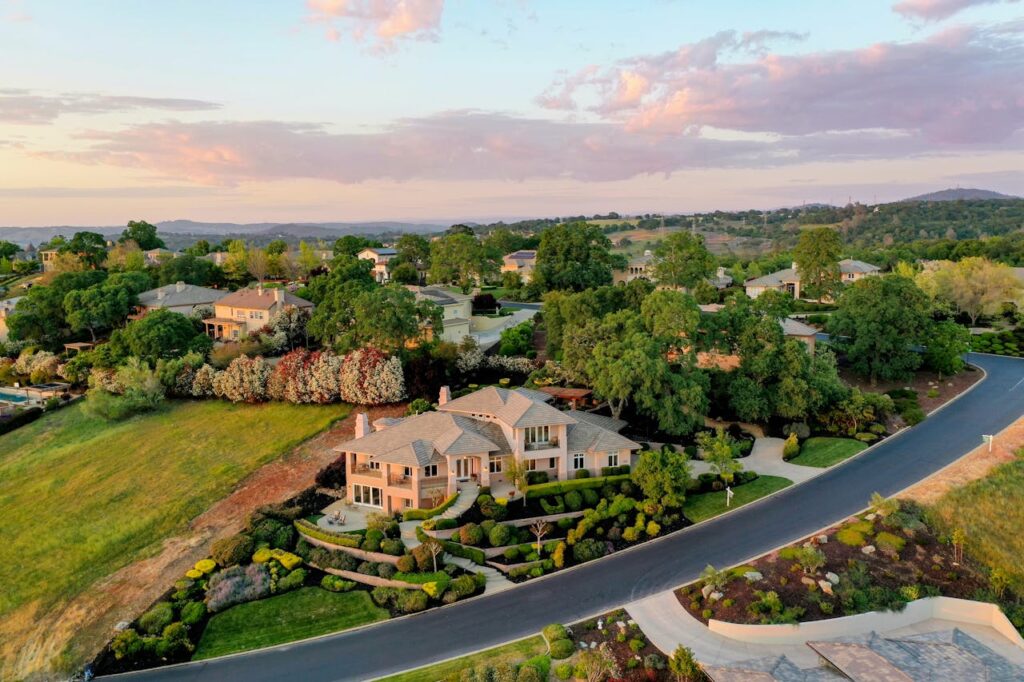
A Personal Look At Community And Culture
The East Bay is special because it has an amazing combination of urban pulse, immediate outdoor access, and a diverse lifestyle mix. You feel it immediately—there is city buzz, but there is also open space and a diversity of people from all walks. This unique blend attracts locals who seek a little more than just a bed. It’s about discovering your little nook in the world where you can fit, flourish, and experiment, especially in the vibrant East Bay housing market.
East Bay neighborhoods are grounded in community. Local leaders support initiatives that encourage outdoor interactions and foster relationships. Block parties, farmers’ markets, and outdoor movie nights are not uncommon; they are weekly occurrences. When you join these events, you don’t merely encounter neighbors—you receive warmth, develop confidence, and begin to consider the neighborhood your own. Even if you’re new, these local meetups quickly break the ice. It’s this security and coziness that fuels the real long-term value of the East Bay real estate. When people feel at home, they tend to stay, maintain their homes, and contribute to the community’s growth.
The East Bay residents are as diverse as their city. Students, artists, tech workers, and families all live side by side. Local businesses from all over the world line the streets—Ethiopian cafes, Japanese bakeries, Mexican street food, vintage clothing! This melting pot of cultures allows you to grab a ‘spot’ that suits your flavor in several Oakland neighborhoods. It delivers a constant influx of fresh businesses and ideas, which keeps every neighborhood vibrant and full of potential. For investors, this variety is a hedge. There will always be demand for innovation and new services, and the region isn’t dependent on a single industry or constituency to prosper.
Arts and culture aren’t extras in the East Bay—they’re at the heart of many of our neighborhoods. Murals, street art, and open-air galleries transform a stroll into a cultural expedition. Events like Oakland’s First Fridays art walk or live music at Jack London Square fill the streets and the calendar. Here, the arts scene isn’t just window dressing—it’s a cause people relocate for and a cause they remain. With a solid arts foundation, you tend to get more cafes, better restaurants, and new shops. Both culture and property values tend to rise jointly in desirable Bay Area locations. The region’s mild, sunny climate ensures these happenings can go all year long, attracting folks from across the area and well outside it.
Public transit and green spaces bring it all together. BART made commutes quicker and more convenient, connecting neighborhoods to the broader Bay Area. Parks such as Lake Merritt are not merely for your morning run; they become social nodes, rendezvous points, and retreats. Young professionals, especially, appreciate this blend of ease and opportunity. You get city benefits but with more space and less tension than other metropolises, making it a great place to call home in the East Bay area.
Conclusion
Which East Bay neighborhoods make the best long-term investment? Strong job growth, smart transit, and real community life define these neighborhoods. Areas such as Oakland’s Temescal, Berkeley’s Southside, and Alameda’s West End really jump out. Each location offers a combination of stable rental income, emerging commercial areas, and quality education. Local ordinances and new streets keep the wheels turning. You receive a mix of vintage charm and innovation. Each block has its own story to tell. If you want to build wealth or plant roots, your next move could begin here. Keep your ear to the changes. Keep an eye out for trends. Ask questions, just verify. For more tips and updates, join the blog and share your own stories. Your wisdom counts in this one.
Frequently Asked Questions
1. What Makes The East Bay A Good Place For Long-Term Real Estate Investment?
The East Bay housing market boasts diverse neighborhoods, strong job growth, and improving infrastructure, creating a solid foundation that supports long-term real estate appreciation and rental demand.
2. Which East Bay Neighborhoods Have Shown The Highest Potential For Growth?
Areas such as Oakland’s Temescal, several Oakland neighborhoods, Berkeley, and Walnut Creek have experienced consistent price appreciation, appealing to investors due to their good amenities and thriving local economies.
3. How Does Local Infrastructure Impact Property Values In The East Bay?
Good transport links, new developments in the East Bay housing market, and improved public services all boost property values. You take advantage of higher demand and increasing prices as infrastructure improves near your desirable Bay Area locations.
4. What Economic Factors Drive Property Values In The East Bay?
The East Bay housing market benefits from the area’s robust job industries, such as tech, health care, and education, which fuel ongoing demand and drive up home values and rents.
5. How Do Local Policies And Zoning Affect Your Investment?
Local policies and zoning in the East Bay housing market determine what you may build or remodel. Good policies permit additional housing types, boosting your home’s long-term value and versatility.
6. How Important Is Community And Culture When Choosing A Neighborhood?
A welcoming community and vibrant culture in several Oakland neighborhoods attract long-term residents. These ingredients help maintain strong value and rental demand in the East Bay housing market.
7. Is The East Bay Suitable For International Investors?
Indeed, the East Bay housing market’s global workforce, vibrant culture, and strong rental market are all appealing to international buyers looking for solid long-term investments.
Investing In The East Bay? Sexton Group Real Estate Can Help You Build Wealth With Confidence
If you’re looking at real estate as a path to long-term wealth in the East Bay, Sexton Group Real Estate | Property Management can guide you toward smart, strategic investments. With offices in Berkeley, Oakland, and Lafayette, our team understands the dynamics of each local market, from high-demand rental areas to neighborhoods with strong appreciation potential.
For more than 25 years, our agents have helped investors grow their portfolios through informed decisions. Maybe you’re interested in a first rental property, a buy-and-hold strategy, or building equity through a primary home that doubles as an investment. We’ll help you choose the right approach for your goals.
You’ll get clear guidance at every step, including market analysis, rental income insights, long-term value trends, and support through offers and closing. The process stays straightforward, so you can move forward with confidence.
Ready to start building wealth through East Bay real estate?
Contact us for an investment-focused consultation. Sexton Group Real Estate | Property Management is here to help you make a smart move.