
July 6, 2026 | Sexton Real Estate Group
Owning rental property in the East Bay requires following California laws that protect both landlord access and tenant privacy. Understanding these rules helps prevent disputes and keeps rental operations compliant.
Property managers apply landlord entry laws when scheduling repairs, inspections, or handling emergencies. Following the correct procedures protects your investment, respects tenant rights, and reduces the risk of legal issues.
Key Takeaways
- California law limits when landlords may legally enter occupied rental units.
- Most non-emergency entries require at least 24 hours’ written notice.
- Entry is only permitted for specific, legally recognized purposes.
- Emergencies allow immediate entry without advance notice.
- Landlords should document every notice and visit.
- Improper entry can result in legal disputes and claims of tenant harassment.
- Working with experienced property management professionals helps reduce compliance risks.
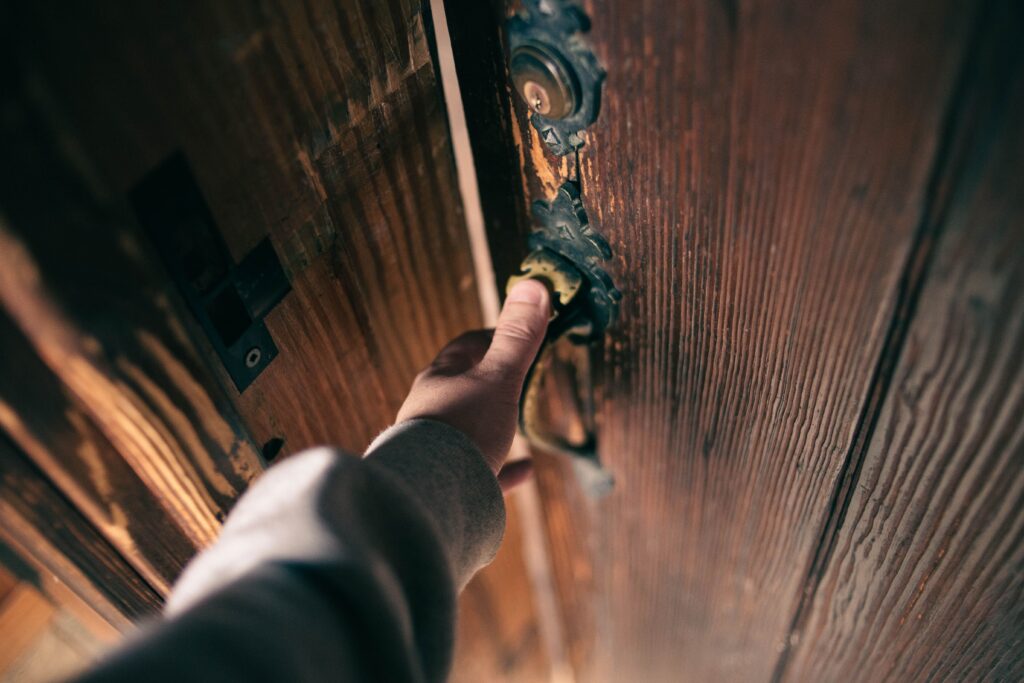
Why Landlord Entry Laws Matter
Many landlords assume that because they own the property, they can enter whenever necessary. In reality, California provides tenants with strong privacy protections. Once a property is rented, tenants gain the legal right to quiet enjoyment of their home.
These laws exist to create a fair balance between:
- Protecting tenant privacy
- Allowing landlords to maintain their property
- Preserving property value
- Preventing abuse of landlord access
- Encouraging professional landlord-tenant relationships
Ignoring these requirements may damage tenant trust and create avoidable legal problems.
For East Bay landlords operating in competitive rental markets, maintaining compliance also strengthens your reputation as a responsible housing provider.
Understanding California Landlord Entry Laws
California Civil Code Section 1954 governs when landlords may enter occupied rental properties. Rather than allowing unrestricted access, the law identifies specific situations where entry is permitted. Generally, landlords may enter for legitimate business purposes that involve protecting the property, maintaining habitability, or fulfilling responsibilities under the lease agreement. Outside these authorized situations, landlords cannot simply enter because they wish to inspect the property or “check on things.” Understanding these legal boundaries helps prevent disputes while protecting everyone’s rights.
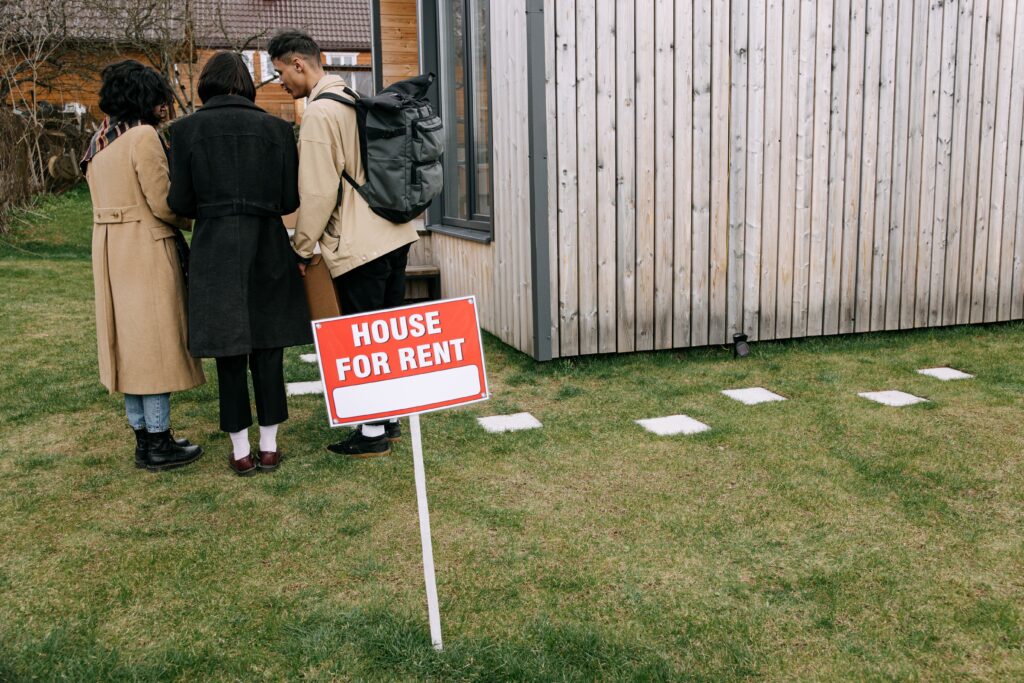
When Can a Landlord Legally Enter?
A landlord may enter the dwelling unit only in the following cases:
1. Necessary Repairs
One of the most common reasons for entry involves repairs. These may include plumbing repairs, electrical work, roof leaks, appliance repairs, HVAC servicing, pest treatment, and water damage restoration. Routine maintenance helps protect both tenants and the long-term condition of the property.
2. Property Inspections
Property owners may inspect rental properties to determine maintenance needs or identify safety concerns. Reasonable inspections may include smoke detector testing, carbon monoxide detector inspections, water leak inspections, structural evaluations, preventative maintenance, and insurance inspections. Inspections should always remain reasonable in frequency and scope.
3. Showing the Property
Access may be permitted to show the property when the unit is for sale, when a current tenant has given notice to vacate, when prospective tenants are touring the property, when buyers are viewing the home, or when contractors need to prepare estimates before turnover. Advance notice remains required in most circumstances.
4. Performing Agreed Improvements
Sometimes tenants request upgrades or improvements, such as installing new flooring, replacing appliances, painting, replacing windows, or making energy-efficient improvements. If both parties agree, landlords may schedule entry to complete these projects.
5. Court Orders
Court-authorized access is permitted when a court has granted permission. This can include inspection orders, enforcement actions, or other court-authorized access. When a valid court order applies, it takes precedence over standard notice requirements.
6. Tenant Abandonment
If a property has clearly been abandoned, landlords may enter to determine its condition and begin the legal process of recovering possession.
However, landlords should ensure abandonment is legally established before assuming the tenant has permanently vacated.
The 24-Hour Notice Requirement
One of the most important aspects of landlord entry laws that East Bay landlords must understand is the notice requirement. In most situations, landlords must provide reasonable written notice before entering an occupied rental property. Generally, California requires at least 24 hours’ written notice, and entry should occur during normal business hours unless the tenant agrees otherwise.
A proper notice typically includes:
- Date of entry
- Approximate time
- Reason for entry
- Contact information
- Person performing the work
Providing complete and professional notices helps prevent misunderstandings while demonstrating respect for tenant privacy.
Acceptable Methods of Delivering Notice
California law allows several methods for delivering notice, but the notice must still be clear, timely, and tied to a lawful reason for entry.
How to Properly Serve a Notice:
- Personally delivering the notice to the tenant
- Leaving it with a person of suitable age and discretion at the rental unit and mailing a copy
- Posting the notice on the front door or another conspicuous place when no one is available, and mailing a copy
- Mailing the notice directly to the tenant when permitted by the lease or applicable procedure
The most effective notices usually include the date and approximate time of entry, the reason for entry, and the name of the person who will be entering the property. Landlords should also keep a copy of every notice and document how and when it was delivered, since written records can be important if a dispute arises later.
Many professional property management companies also use email, tenant portals, or text messaging to supplement formal notice delivery, especially when tenants have agreed to electronic communication. However, electronic notice should never replace a legally required written notice unless it is clearly allowed by the lease and compliant with applicable California law.
What Counts as Reasonable Business Hours?
Entry should normally occur during standard business hours, typically on weekdays during daytime hours. Scheduling repairs or inspections late at night, very early in the morning, or during holidays without the tenant’s agreement may be considered unreasonable. Whenever possible, landlords should work collaboratively with tenants to identify convenient appointment times, which helps maintain positive relationships and reduce scheduling conflicts.
Emergencies That Allow Immediate Entry
Not every situation allows time for advance notice. California law recognizes true emergencies in which immediate access is necessary to protect people, prevent serious property damage, or prevent a dangerous condition from worsening. In these situations, a landlord does not need to wait 24 hours before entering if immediate action is reasonably required.
When Emergency Access Is Legally Permitted:
- Fire or smoke within the unit or building
- Flooding or significant water intrusion
- Burst pipes or serious plumbing failures
- Gas leaks or the odor of gas
- Ongoing water leaks that are causing damage
- Structural failure or signs that collapse may be imminent
- Electrical dangers such as sparking outlets or exposed wiring
- Natural disasters like earthquakes, storms, or other urgent incidents
- Medical emergencies that require access to help emergency responders
During an emergency, the landlord’s main concern should be protecting human life, limiting damage, and preventing additional harm to the property. Entry should be restricted to what is reasonably needed to handle the emergency, such as shutting off water, working with emergency personnel, or arranging immediate repairs.
After the emergency has been addressed, landlords should document what occurred, when entry took place, and why it was necessary. If possible, tenants should be informed as soon as reasonably practical after the entry, especially if the landlord had to enter without prior notice.
Emergency access is an important exception to the normal notice rule, but it should never be used as a reason for routine inspections, convenience visits, or non-urgent maintenance.

Tenant Consent
A tenant may voluntarily allow a landlord to enter without formal written notice. For example, if a tenant calls requesting an urgent plumbing repair and agrees to immediate access, additional notice is generally unnecessary.
Whenever possible, landlords should document the tenant’s consent through email, text message, or another written record to avoid future misunderstandings.
When Is a Landlord Prohibited from Entering?
Just as California law specifies when a landlord may enter a rental property, it also makes clear when entry is not permitted. Property owners should understand these limitations to avoid violating a tenant’s rights and exposing themselves to unnecessary legal liability.
Landlords generally may not enter a rental property:
- Without a legally recognized reason
- Without proper notice when notice is required
- To harass or intimidate a tenant
- To pressure a tenant into moving out
- To conduct frequent or unnecessary inspections
- To search for a tenant’s personal belongings
- At unreasonable hours without the tenant’s consent
- Simply because they own the property
Ownership of a rental home does not eliminate a tenant’s right to privacy. Once a lease begins, the property becomes the tenant’s home, and landlords must respect the legal protections that accompany tenancy.
Professional property management companies train their staff to follow strict entry procedures to avoid complaints, misunderstandings, and potential legal claims.
Understanding a Tenant’s Right to Quiet Enjoyment
One of the most important concepts in California landlord-tenant law is the tenant’s right to quiet enjoyment. Quiet enjoyment does not simply refer to noise levels. Instead, it is the legal right of tenants to live in their home without unreasonable interference from the landlord or others acting on the landlord’s behalf.

Examples of actions that may interfere with quiet enjoyment are:
- Entering without proper notice
- Repeated, unnecessary inspections
- Showing the property excessively
- Arriving without an appointment for non-emergency matters
- Interrupting the tenant’s normal use of the property
Respecting this right helps build trust while reducing the likelihood of disputes or legal action.
Can a Tenant Refuse Entry?
Many landlords wonder whether tenants can refuse access after receiving proper notice. The answer depends on the circumstances. If the landlord has provided the required notice and the purpose of entry is legally permitted, tenants generally should allow reasonable access, including for scheduled repairs, required inspections, pest control treatments, smoke detector inspections, and showing the property after proper notice.
- Scheduled repairs
- Required inspections
- Pest control treatments
- Smoke detector inspections
- Showing the property after proper notice
However, tenants may have legitimate concerns if:
- Proper notice was not provided.
- The reason for entry is not authorized by law.
- The requested time is unreasonable.
- The landlord has repeatedly abused entry rights.
When disagreements arise, communication is almost always preferable to confrontation. Property managers often work with tenants to reschedule appointments that are inconvenient while still completing necessary maintenance promptly.
What Happens if a Tenant Refuses Lawful Entry?
Occasionally, tenants refuse access even after receiving a valid notice. Landlords should avoid attempting to force entry unless an emergency exists. Instead, they should:
- Communicate with the tenant.
- Explain the legal purpose for entry.
- Attempt to reschedule if appropriate.
- Document all communications.
- Seek legal guidance if access continues to be denied.
Forcing entry during a non-emergency situation can quickly escalate into a legal dispute. A professional and documented approach protects both the landlord and the tenant.
Best Practices for Providing Entry Notice
Using a consistent notice process helps prevent misunderstandings and shows tenants that you operate professionally. It also creates a clear paper trail, which can be especially helpful if questions arise later about whether proper access was given.
Property managers often rely on standardized procedures such as written notice templates, digital scheduling systems, maintenance logs, and follow-up confirmations to ensure every entry is handled consistently, documented properly, and in compliance with California law.
Use Written Notices Every Time
Even when a tenant verbally agrees to entry, written notice creates a clear record of the appointment.
What Entry Documentation Should Contain
- The reason for entry
- The date the notice was provided
- The scheduled time of entry
- Who will be entering the property
Give More Notice When Possible
Although California law generally requires at least 24 hours’ notice for most non-emergency entries, giving additional notice whenever practical gives tenants more time to prepare and often leads to smoother cooperation. Extra notice also reflects strong customer service and professionalism.
Be Specific
Notices Must Be Clear and Specific. Entry notices should clearly state the reason for entry, the date, the expected time, and who will enter the property.
“Inspection sometime tomorrow.”
Instead, clearly state the purpose of the visit and provide enough detail for the tenant to understand what will happen and how long the entry is likely to take. A strong notice should include:
- Why an entry is needed, such as a repair, inspection, maintenance appointment, or showing
- The expected arrival window, including a specific date and approximate time range
- Who will be entering the property, such as the landlord, property manager, maintenance staff, or a licensed contractor
- Whether contractors will be present and, if so, what type of work they will perform
- How long the visit is expected to last, if that information is available
- Any preparation the tenant should make, such as moving items away from a repair area or securing pets
The more precise the notice, the easier it is for tenants to plan around the visit and the less likely they are to feel surprised or inconvenienced. Clear communication also helps reduce disputes, prevents misunderstandings about unauthorized entry, and shows that the landlord is acting professionally and respectfully. In many cases, a detailed notice can also speed up access because tenants are more likely to cooperate when they understand exactly why the entry is necessary.
Arrive on Time
Arriving much earlier or later than the scheduled time can frustrate tenants and weaken trust. Professional property managers coordinate appointments carefully to respect tenants’ schedules whenever possible.
Leave the Property Secure
After completing repairs or inspections, landlords should make sure the unit is left secure, clean, and in the same condition it was found, including confirming that:
- Doors are locked
- Windows are secured
- Alarm systems are reset when appropriate
- Gates are closed
- Lights are turned off if they were not originally on
These small details demonstrate professionalism and help protect both the tenant and the property.
Documentation Protects Everyone
Good documentation is one of the strongest risk management tools available to landlords. In the context of landlord entry laws, East Bay property owners must follow the records that provide proof that notice was given properly, entry was lawful, and any work performed was necessary and completed as scheduled.
Essential Records to Keep After Every Entry:
- Written notices
- Emails
- Text messages confirming appointments
- Maintenance requests
- Inspection reports
- Contractor invoices
- Photos of completed work
- Dates and times of entry
These records help establish a clear timeline and can be especially useful if a tenant later disputes whether notice was provided, whether the visit was authorized, or whether the landlord entered at an appropriate time. They also create a paper trail showing that the landlord acted in good faith and followed proper procedures.
Strong documentation is useful for more than legal protection. It also helps landlords track recurring maintenance issues, monitor contractor performance, verify habitability repairs, and identify patterns that may require additional attention. For example, repeated plumbing complaints, HVAC failures, or pest problems may indicate a larger maintenance issue that should be addressed before it becomes more costly.
Many experienced property management companies maintain digital records for every maintenance request and property visit, creating an organized history of compliance. A well-managed record system may include scanned notices, timestamped emails, work orders, before-and-after photos, and notes from staff or vendors. This level of organization makes it easier to respond quickly if a dispute arises and supports more efficient property management overall.
Common Mistakes East Bay Landlords Should Avoid

Even well-intentioned landlords sometimes make mistakes that can create legal problems, tenant disputes, or costly penalties. Avoid these common landlord compliance mistakes to protect your property, maintain positive tenant relationships, and ensure compliance with California’s landlord-tenant laws.
Assuming Ownership Equals Unlimited Access – owning the property does not allow unrestricted entry. California law limits access to specific legal purposes.
Giving Verbal Notice Only – verbal conversations are easy to misunderstand. Written notices provide clarity and documentation.
Conducting Excessive Inspections – routine inspections are allowed when properly noticed and reasonably scheduled, but visiting too frequently without a legitimate reason may appear intrusive or harassing.
Using Emergency Entry for Non-Emergencies – emergency access should be reserved for genuine emergencies that threaten safety or property. Using this exception for routine maintenance can undermine tenant trust and create legal exposure.
Failing to Keep Records – without documentation, it can be difficult to demonstrate that proper notice was given or that the entry was lawful. Maintaining organized records is a simple but effective way to reduce compliance risks and support professional property management practices.
How Professional Property Management Helps Ensure Legal Compliance
Managing rental properties involves much more than collecting rent and coordinating repairs. Landlords must also stay current with California landlord-tenant laws, maintain detailed records, respond promptly to maintenance requests, and follow proper procedures whenever entry into an occupied unit is necessary.
For many East Bay property owners, partnering with a professional property management company helps reduce these legal and administrative burdens while improving the overall rental experience for both landlords and tenants.
Professional property managers typically establish standardized procedures that help ensure every property visit complies with California law. These procedures often include:
- Using legally compliant entry notices
- Scheduling maintenance during reasonable business hours
- Coordinating with licensed contractors
- Keeping detailed maintenance and inspection records
- Responding quickly to emergencies
- Documenting tenant communications
- Training staff on California landlord-tenant requirements
Following consistent policies helps property managers minimize misunderstandings and reduce the risk of disputes over unauthorized entry or improper notice.
Risk Management Tips for East Bay Landlords

Compliance with landlord entry laws is just one part of an effective risk management strategy. Property owners who take a proactive approach can reduce legal exposure, avoid tenant complaints, and protect the long-term value of their investment. Clear procedures also make it easier to coordinate repairs, inspections, and vendor access without creating confusion or unnecessary conflict.
Consider implementing the following best practices:
Establish Written Entry Policies
Create a standardized procedure that outlines when entry is permitted, how notice will be delivered, who is authorized to enter, and how emergencies will be handled. A clear written policy helps ensure consistency across all properties, reduces the risk of misunderstandings, and makes it easier to demonstrate compliance with California law.
- When entry is permitted under California law, including routine maintenance, repairs, inspections, pest control, unit showings, and emergencies
- How and when notices will be delivered to tenants, including written notice requirements, acceptable delivery methods, and reasonable timing before entry
- Who is authorized to enter the property, including landlords, property managers, maintenance staff, licensed contractors, inspectors, and other approved representatives
- What qualifies as an emergency and allows immediate access, such as fire, gas leaks, flooding, electrical hazards, or other conditions that threaten safety or property
- How to handle tenant requests to reschedule non-emergency visits, including when accommodations may be made and how new appointment times will be confirmed
- What information must be included in every notice, such as the reason for entry, date, approximate time, names of persons entering, and contact information
- How entry will be documented after the visit is completed, including the date and time of entry, work performed, tenant communications, inspection findings, and any follow-up needed
Having clear internal policies helps ensure consistency across all rental properties, reduces the chance of missed notice requirements, and gives staff or contractors a clear process to follow. Written policies also make it easier to train new team members and demonstrate that the landlord is acting in a professional and legally compliant manner.
Use Standardized Notice Forms
Rather than creating a new notice each time, develop a standard template that includes all legally required information.
Standardized forms help reduce errors and ensure that every notice contains:
- Property address
- Date of notice
- Date and approximate time of entry
- Reason for entry
- Name of the person entering
- Contact information
Consistency also presents a more professional image to tenants, showing that the landlord is organized, reliable, attentive, and committed to respectful communication throughout the tenancy and long-term property care.
Use Preventive Maintenance to Protect Your Property
Preventive maintenance helps reduce emergency repairs and limits the need for unplanned access to occupied units.
Key Areas to Address During Routine Maintenance:
- HVAC servicing
- Roof inspections
- Plumbing inspections
- Smoke and carbon monoxide detector testing
- Gutter cleaning
- Pest prevention
- Water heater maintenance
A planned maintenance schedule helps preserve the property’s condition, reduce unexpected repair costs, and minimize disruption for tenants by allowing work to be completed efficiently, predictably, and with proper advance notice.
Keep Communication Professional
Every interaction with tenants should remain courteous, respectful, and well-documented. Clear communication helps set expectations, reduces confusion, and makes it easier to resolve issues before they escalate.
Effective communication includes clear, timely, and respectful updates about maintenance requests, entry notices, scheduling changes, and any other information tenants need to know.
- Prompt responses to maintenance requests
- Clear explanations for property visits
- Advance scheduling whenever possible
- Follow up after repairs are completed
- Written confirmation of appointments when appropriate
- Respectful language in emails, texts, and phone calls
- A willingness to reschedule when a tenant has a legitimate conflict
Professional communication also means being transparent about why entry is needed, who will be entering the property, and how long the visit is expected to take. Tenants are more likely to cooperate when they understand the purpose of the visit and feel that their time and privacy are being respected.
When landlords communicate consistently and professionally, small misunderstandings are less likely to become larger disputes. Good communication can also improve tenant satisfaction, encourage timely reporting of maintenance issues, and support a more positive long-term rental relationship.
Stay Current on California Law
Landlord-tenant laws may change over time. Property owners should periodically review their policies and lease agreements to ensure continued compliance with current legal requirements.
Working with experienced property management professionals or qualified legal counsel can help landlords stay informed about new regulations affecting rental housing.

Benefits of Following Landlord Entry Laws
Complying with California’s landlord entry requirements offers advantages that extend beyond legal compliance.
Stronger Tenant Relationships
Tenants appreciate landlords who respect their privacy and communicate openly. Providing proper notice, arriving on time, and explaining the reason for entry demonstrate professionalism and encourage cooperation. Satisfied tenants are often more likely to renew their leases, report maintenance issues promptly, take better care of the property, and recommend the landlord to others.
Reduced Legal Risk
When landlords follow established maintenance procedures, provide proper notice before entering a rental property, and keep detailed records of inspections and repairs, they significantly reduce the risk of legal disputes with tenants. Staying compliant with California landlord-tenant laws helps demonstrate that property management decisions are reasonable, consistent, and made in good faith.
Following established procedures can significantly reduce the likelihood of claims involving:
- Unauthorized entry
- Harassment
- Privacy violations
- Breach of quiet enjoyment
- Lease disputes
Although no landlord can eliminate all risk, consistent compliance provides important legal protection.
Better Property Maintenance
Regular inspections and timely repairs help identify small problems before they become expensive repairs. They also give landlords a chance to address wear and tear before it affects the tenant’s comfort or the property’s overall condition.
Early detection may prevent:
- Water damage
- Mold growth
- Structural deterioration
- Pest infestations
- Safety hazards
Protecting the property’s physical condition also helps preserve its long-term value and can reduce the likelihood of emergency repairs, tenant complaints, and costly insurance claims.
Improved Professional Reputation
In competitive East Bay rental markets, reputation matters. Landlords known for professionalism, transparency, and legal compliance often attract higher-quality tenants and experience fewer conflicts throughout the tenancy.
Why East Bay Landlords Face Unique Compliance Challenges
The East Bay rental market is diverse, with a mix of single-family homes, condominiums, duplexes, apartment communities, and investment properties spread across multiple cities.
This diversity means landlords often manage properties with different maintenance needs, tenant expectations, and local housing considerations.
Common Property Management Challenges for East Bay Landlords:
- Coordinating repairs in occupied homes
- Managing multiple vendors and contractors
- Scheduling inspections around tenant availability
- Responding quickly to emergencies
- Maintaining detailed compliance records
- Balancing property maintenance with tenant privacy
Because California provides tenants with substantial legal protections, landlords should approach every property entry thoughtfully and consistently.
Establishing clear procedures not only supports compliance but also creates a more predictable and professional management process.
Conclusion
Understanding the landlord entry laws East Bay property owners must follow is essential for successful rental property management.
California law carefully balances a landlord’s responsibility to maintain rental housing with a tenant’s right to privacy and quiet enjoyment. By providing proper notice, limiting entry to legally authorized purposes, respecting reasonable business hours, and documenting every property visit, landlords can significantly reduce legal risks while building stronger tenant relationships.
Whether managing one rental home or a large portfolio of investment properties, consistent compliance helps protect both the property and the landlord’s reputation.
For landlords who want additional support, working with an experienced property management company can simplify compliance, improve maintenance coordination, and provide peace of mind that rental operations are being handled professionally.
Frequently Asked Questions
1. How much notice must a landlord give before entering a rental property in California?
In most non-emergency situations, landlords must provide at least 24 hours’ written notice before entering an occupied rental unit. Entry should generally occur during normal business hours unless the tenant agrees to another time.
2. Can a landlord enter without permission?
Yes, but only in limited circumstances. Immediate entry is generally allowed during genuine emergencies, such as fires, gas leaks, burst pipes, or other situations where immediate access is necessary to protect people or property.
3. Can landlords perform routine inspections?
Yes. Routine inspections are generally permitted when they serve a lawful purpose, proper notice is provided, and the inspections are conducted at reasonable times.
4. Can a tenant refuse a landlord’s entry?
If the landlord has complied with California law by providing proper notice and has a lawful reason for entry, tenants generally should allow reasonable access. However, tenants may object if notice requirements were not met or if the requested entry is otherwise unlawful.
5. Can a landlord enter to show the property to prospective tenants or buyers?
Yes. When a tenant has given notice of their intent to move out or the property is being offered for sale, landlords may generally enter to show the property after providing the required notice.
6. What should landlords include in an entry notice?
A complete notice should include the date, approximate time of entry, reason for entry, property address, and the name or identification of the person who will be entering the unit.
7. Why should landlords keep records of every property entry?
Maintaining copies of notices, maintenance records, inspection reports, emails, photographs, and contractor invoices helps demonstrate compliance with California law, supports effective property management, and provides valuable documentation if disputes arise.
Property Management Legal And Compliance Authority In The East Bay
California’s rental laws continue to evolve, making legal compliance a critical part of successful property management. Sexton Group Real Estate | Property Management helps East Bay property owners stay compliant with landlord-tenant laws, fair housing regulations, lease requirements, security deposit rules, and local ordinances that affect rental properties.
With more than 25 years of experience, the team has developed proven systems that help reduce legal risk while keeping properties professionally managed. From legally compliant documentation and tenant screening to notices, inspections, and recordkeeping, every process is designed to protect both the property and its owner.
Owning rental property shouldn’t mean navigating complex regulations alone. Sexton Group Real Estate | Property Management provides the legal knowledge, operational expertise, and ongoing compliance support that help owners avoid costly mistakes, minimize liability, and protect the long-term value of their investment.
Contact Sexton Group Real Estate | Property Management today to learn how professional property management can help safeguard your rental property and keep you compliant with California’s ever-changing regulations.