
March 17, 2026 | Sexton Real Estate Group
When it comes to what home features seniors should look for when buying in the East Bay, you want homes that keep you safe, offer comfort, and make life easy. Step-free entryways, wider doors, and walk-in showers enable you to navigate with ease. Adequate lighting and lever-style handles prevent falls and make rooms simple to operate. Homes near shops, clinics, and parks save you time and keep you active. In the East Bay, silent streets and solid community backup can make you feel at home. You want energy-saving appliances and easy-care yards to reduce expenses. The meat of this blog will explain how these features provide you with tangible value in your daily East Bay life.
Key Takeaways
- When looking for a senior-friendly home, you should look for single-story floor plans, easy access into the home, wider hallways, and bathrooms focused on safety.
- Take a hard look at each property for resilient and durable features like earthquake-resistant construction and fire-hardened materials for peace of mind.
- Pick homes that provide low-maintenance lifestyles, with quality finishes and efficient systems, and manageable yards, so you can relish your surroundings without the upkeep.
- Consider the neighborhood – how close is it to essential services, is it walkable, are there opportunities for social interaction – these factors will have a big impact on your quality of life and independence.
- Do your homework on local property taxes, ADU potential, and read all the disclosures so you can make smart, well-informed, and financially savvy decisions.
- Always bring a detailed checklist, visit homes at varying hours and days, and work with East Bay-based real estate professionals who understand your specific needs to get the best results.
Essential Home Features For Seniors
When you shop for an East Bay home, you want features that keep your daily life safe, comfortable, and easier with age. Since most homes are not designed for shifting mobility or fall risks, it is wise to emphasize features that provide both utility and future value. Each detail below emphasizes how to select a great investment that champions your needs now and later on, ensuring a smooth sale for all buyers.
1. Single-Story Living
Single-story homes are ideal for modern buyers as they eliminate stairs to climb, instantly reducing fall risks. This feature is especially important for senior homebuyers or those who have mobility issues currently or anticipate them in the future. You want all important rooms – bedroom, bathroom, kitchen, living room – on one floor. Open floor plans assist you in maneuvering around without hitting walls or squeezing through tight spaces, making it a smart choice for your next home. Plan for the future and see if this layout still functions if you should one day require a walker or wheelchair.
2. Accessible Entryways
To accommodate senior homebuyers, doorways should be at least 81 centimeters wide, allowing for easy maneuverability of walkers or wheelchairs. Zero-step entryways provide a seamless transition into the house without the need to navigate curbs or porch steps, significantly reducing trip hazards. It’s advisable to choose a bay area home with level walkways leading to the front door, free of cracks. Additionally, selecting homes with auto doors or lever-style handles can enhance accessibility for those experiencing joint pain, making it a smart choice for modern buyers.
3. Wider Hallways
Wider hallways, ideally 91 cm or more, enable residents to navigate easily with walking aids. It is essential that hallways remain clutter-free and devoid of small tables or sharp corners. This design facilitates a smooth flow from room to room, which is particularly important for senior homebuyers. Should you ever require additional assistance, broader hallways allow for two people to stand shoulder to shoulder, ensuring accessibility and comfort for all homeowners.
4. Thoughtful Bathrooms
Bathrooms are accident-prone zones for slips and falls, making safety features essential for modern Bay Area buyers. A walk-in shower with a bench is safer than a tub, and non-slip flooring is a must, particularly near wet areas. Bright, glare-free lights assist you in seeing clearly, even at night. Features like adjustable shower heads and benches add comfort, while lever faucets are easier for senior homebuyers who may have arthritis. Additionally, grab bars near the commode and shower provide necessary reinforcement, and having a bathroom on the first floor enhances accessibility and convenience.
5. Usable Kitchens
In the kitchen, modern Bay Area buyers should seek out open layouts that provide room to roam. Countertops at varying heights allow you to prep food while either sitting or standing, which is great if you get tired or have back pain. Ensure appliances are easy to reach and use; front controls on stoves mean you don’t need to reach over hot burners. Storage should be within arm’s reach to minimize bending or stretching. Good lighting reduces glare and allows you to cook safely. Additionally, smart home technology can check for smoke or leaks.
Prioritize Safety And Resilience
As you shop for a Bay Area home in the East Bay, it’s wise to prioritize attributes that protect you and make the home resilient. Security is not just locks and alarms; you desire an environment that minimizes falls, incorporates resilient materials, and nourishes your mind during the aging process. Small design tweaks, such as wide halls and first-floor bedrooms, can allow you to remain in your home longer. Contemporary touches, such as voice-activated lights or zero-entry showers, help make everyday activities safe and easy for all, appealing to modern buyers.
Earthquake Safety
If you’re located in an earthquake zone, be mindful of both the construction of the home and where it sits. Select a bay area home with earthquake-resistant characteristics like reinforced concrete or steel frames, which aid in absorbing and distributing the shock of a quake. Foundation anchoring is non-negotiable; seek out exposed anchor bolts or request inspection documentation that guarantees the home’s foundation is securely tied to its structure. Being near established fault lines can increase the risk, so check geological maps and hazard disclosures prior to deciding. Even in the case of older homes, see if they’ve been retrofitted. Retrofit upgrades such as shear walls, bracing, and foundation bolting can bring older homes to higher standards and reduce your earthquake risk, making it a smart investment for homebuyers.
Fire-Hardened Materials
Wildfire risk is a reality for many residents in California, making fire-wise homes a priority for modern Bay Area buyers. When searching for a Bay Area home, look for properties constructed with fire-resistant materials—metal roofs, concrete siding, and stucco exteriors are great options as they’re less likely to ignite than wood. Essential features include a sprinkler system and functioning fire alarms. Additionally, don’t overlook the outdoor areas: creating defensible space is key. A safety buffer of cleared vegetation surrounding the house is crucial, and landscaping with gravel or stone can significantly reduce fire risk.
Smart Home Security
Today’s smart security systems can bring both security and convenience to your everyday life, especially for modern Bay Area buyers. Seek out homes with remote door locks and window sensors that allow you to verify or control access remotely. Set safety and resilience first, as these features are key factors for homebuyers. Surveillance cameras and motion-sensing lights keep the unwelcome at bay and provide you with live updates should anything occur. Voice-controlled lights can guide your path safely at night without fumbling for switches, a basic yet powerful fall prevention that’s crucial, considering falls are the world’s second leading cause of unintentional injury-related death. Keyless entry and lever-style handles on doors and faucets are beneficial, particularly for those with reduced grip strength. Wide doorways, at least 91 cm, and clear hallways, 107 to 122 cm, allow you to move around with canes, frames, and wheelchairs easily, promoting independence as you get older.
Embrace Low-Maintenance Living
Low-maintenance living counts more as you age, especially for senior homebuyers looking for a compelling Bay Area home. Opting for an easy-to-care-for home saves you time, money, and stress while maintaining your independence. You avoid hazards that accompany mundane housework. Low-maintenance homes, particularly in the East Bay market, often feature clever floor plans, long-lasting finishes, and energy-efficient equipment. These features typically include single-level living, zero-step entries, wide doors, non-slip floors, and lever handles that accommodate a variety of needs, ensuring you stay secure and self-sufficient as your living situation shifts.
Durable Materials
Lasting materials reduce repairs or replacement. Hardwood, tile, or luxury laminate floors clean up easily. They are stain-resistant and do not harbor allergens. Skip carpet if you desire less work and fewer allergens.
Outside, seek out fiber cement, metal, or engineered wood siding. They don’t warp or rot in fluctuating weather. Metal or composite roofs outlast asphalt and require fewer repairs. Select finishes that hold up to sun, wind, and rain. Peeling paint or buckling wood means additional labor on your part. Premium paint and treated surfaces maintain the exterior appearance a lot longer.
Indoors, solid-surface counters like quartz or granite don’t scratch or stain like the cheap stuff. Lever-style handles and touch-free faucets aid accessibility and reduce the likelihood of wear. Easy trim and hardly any details make cleaning a breeze. Contemporary, minimalist designs reduce dust and clutter and make rooms easy to maintain.
Efficient Systems
A smart home system not only saves you money but also enhances your overall well-being, making it a great investment for modern Bay Area buyers. Modern HVAC units, particularly those with heat pumps, operate more efficiently and consume less energy than their predecessors, ensuring that your Bay Area home stays comfortable year-round. Homebuyers are increasingly prioritizing energy-efficient features like stamped appliances that reduce water and energy consumption, ultimately putting more money in their pockets every month.
Programmable thermostats are a favorite among homebuyers, as they allow you to schedule heating and cooling for various times throughout the day, increasing convenience and reducing clutter. Smart lighting is another significant advantage, enabling you to control your home’s ambiance through a phone or voice assistant, which enhances safety and ease of use. Additionally, dependable plumbing and electrical components are crucial, as repairs can be time-consuming and costly, especially in the competitive East Bay housing market.
Investing in a home warranty can also be wise, particularly for high-end appliances, given that repair costs can escalate as systems age. For homeowners looking to make exterior changes or enhance their outdoor living spaces, these smart upgrades can significantly improve the overall appeal and functionality of their property.
Manageable Yards
Yards that are easy to care for make life smoother every day, especially for modern Bay Area buyers looking for convenience. Opting for a low-maintenance lifestyle by selecting a home with a small yard, or none at all, is ideal for those prioritizing outdoor areas. Xeriscaping with drought-tolerant plants and gravel requires less watering and trimming, which is particularly beneficial in the East Bay market, where water use is always a concern.
Patios and decks provide homeowners with outdoor air and a relaxing environment without the burden of mowing or continuous maintenance. Even better are raised beds or potted plants, which can offer green space without much bending or heavy lifting. Some of these Bay Area homes even feature outdoor-ready living rooms with weather-resistant furniture, allowing you to soak in nature with minimal effort and enjoy outdoor living.
Flexible spaces matter significantly in the home layout. A tiny private yard or balcony can serve as a hobby area, a quiet work zone, or a place for friends to congregate. These choices allow your living space to evolve with your lifestyle, whether it involves telecommuting, launching a new venture, or entertaining relatives, making it a smart investment for any homeowner.
Why The Neighborhood Matters
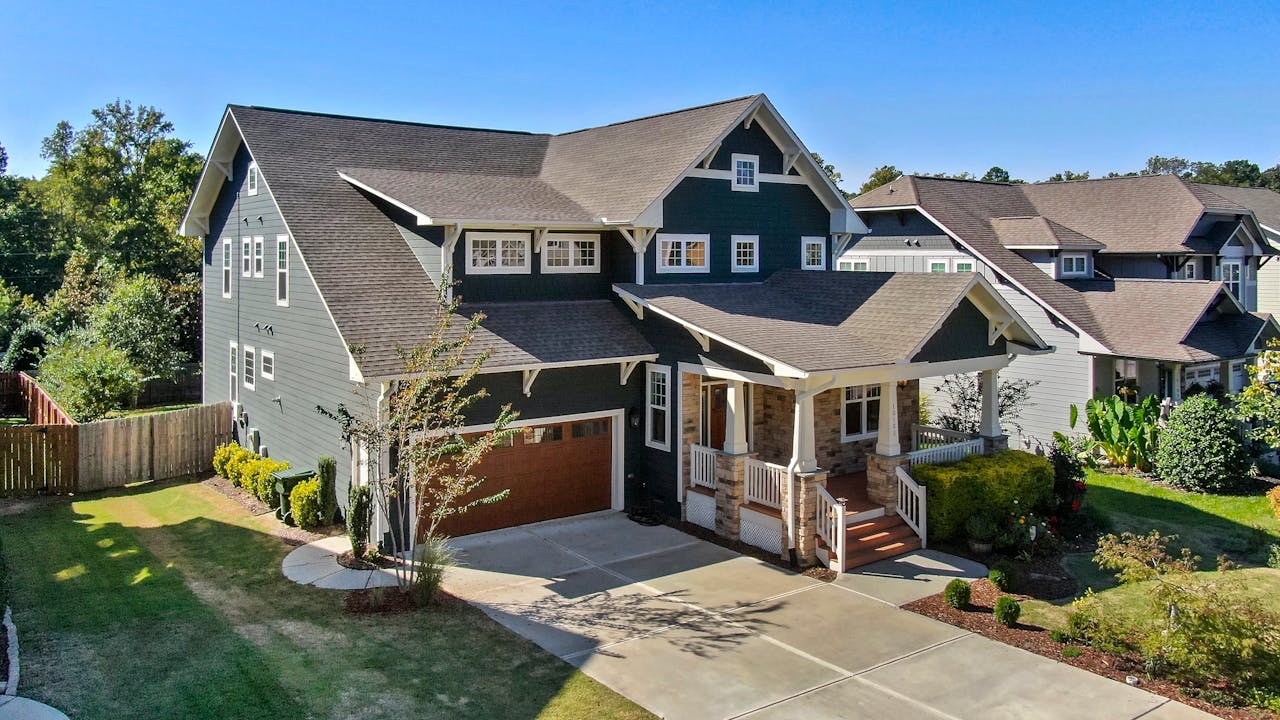
Where you live defines how you live, especially in the East Bay housing market. The right neighborhood backs your daily rhythm, fuels your social connections, and frequently helps keep your life more streamlined as you grow older. Here in the East Bay, your neighborhood matters; it can transform your lifestyle, your time use, and years later, even your home’s value. Some neighborhoods are bustling with shopping, dining, and activities, while others provide peace, quiet, and open space. If you enjoy outdoor living, consider local parks and trails. For families, school quality can be significant. Even the architectural style and lot size may change from block to block, which could work in your favor. Walkability and protected views in a neighborhood are key factors that can maintain or increase property value, influencing your day-to-day life and your enduring scalability.
Proximity
About: Why The Neighborhood Counts. A home near the necessities can ease stress. When you live near a grocery store, pharmacy, or medical clinic, that means less time in the car and more time doing what you love. Consider the accessibility of these locations, whether it is by automobile, public transit, or walking.
If you’re taking public transport, find out how far the closest stop is from the house. Certain spots in the East Bay are better served by buses or trains than others. This is key for people who want to drive less or who don’t always want to depend on a car.
Family and friends can be a big factor. A home close to family can translate to more assistance and more companionship. Scout out proximate parks or open spaces, which provide you with a venue for both fresh air, excursions, and exercise. These green spaces contribute lifestyle benefits as well as property value.
Walkability
Walkable neighborhoods aren’t simply about A to B transportation; they make everyday life easier and safer. Seek out generous sidewalks and streets for people as well as cars. This is important for convenience and security, particularly as you age.
Being a short walk from shops, banks, and cafes can save you time and help keep you independent. It means you’re less car-dependent, which can be liberating.
Safe walking paths, parks, and trails are essential for the outdoorsy type. They provide room to work out, mingle, or simply take a daily walk. Some neighborhoods even organize walking groups or other regular outdoor activities, which are perfect opportunities to get involved and bond with neighbors.
We pay more for homes in walkable neighborhoods, and they tend to retain their value better. If you want long-term flexibility, walkability is a smart quality to emphasize.
Community
The social weave of a neighborhood is just as important as its physical characteristics. Seek out communities that have senior clubs, social groups, or meetups. These can help facilitate friendship building.
Community centers can serve as beacons for classes, fitness, and events. They give you a feeling of belonging and convenient avenues to participate. Caring neighbors who look out for one another provide both security and companionship.
Volunteering or participating in local projects connects and gives back. A lively community translates to more amenities, more activity, and more of a feeling of belonging.
Navigating East Bay Realities
When you shop East Bay homes, you’re confronted with a cocktail of sky-high prices, overwhelming demand, and distinctiveness. Places like Lafayette and Moraga have homes that frequently range from $1.5 million to over $3 million, but you get the added bonuses you can’t always find elsewhere — space, privacy, panoramic vistas, and a climate that boasts over 300 days of sun annually. In this cutthroat real estate market, you need to sweat the small stuff — especially if you’re intending to age in place. Being savvy with taxes, flexibility, and property risks can help you sidestep pitfalls and sustain your long-term life needs.
Property Taxes
You cannot ignore property taxes since California charges these yearly, and they play a large role in what you can actually afford. Tax rates differ from one East Bay neighborhood to another, so research the current rates for each area you are considering. For example, Lafayette and Moraga may each have distinct tax assessment formulas that can shift your budget by thousands of U.S. Dollars each year.
Be sure to add the yearly property tax to your projected expenses, not just the mortgage. This will give you a real sense of ongoing costs. Many regions in the East Bay offer special tax reductions for seniors or those with disabilities, so look into these programs. They can provide significant relief on your annual charges, which matters when you are on a fixed income. Check if the property you want has a steady tax history. Fluctuations in assessed value can lead to large, unexpected jumps in your tax bill later. You want predictability, not surprises.
ADU Potential
Homes with existing ADUs or room to build them can add flexibility and value. Use your ADU as a rental for extra income or for family, caregivers, or guests. This comes in handy if you’re trying to plan for multigenerational living or just want options as your needs shift. Seek out homes with either big enough land parcels or home layouts that make adding an ADU easy.
Before you buy, check local zoning rules. Not all of the East Bay permits new ADU construction or rental without special permits. In certain neighborhoods, size, setback, or parking restrictions may limit what you can construct. Existing ADUs can skirt much of this red tape. Once you find that home fit, you earn immediate peace of mind and long-term freedom.
Local Disclosures
East Bay seller disclosures are comprehensive for a reason. There are hazards associated with earthquakes, hillsides, and aging home systems. You’ll want to go over all the paperwork to learn about any previous repairs, updates to the structure, or any persistent issues. Laws in California mandate transparency, but the paperwork can be complicated and occasionally difficult to decipher.
If you’re not sure how to read a disclosure, or you spot something unclear, don’t hesitate to bring in a real estate expert. They can assist you in identifying red flags, educate you on local regulations, and walk you through the repair or renovation history. This step shields you from acquiring a home with latent defects, expensive renovations, or legal issues.
How To Evaluate A Home
When you purchase a Bay Area home, you need a space that suits your present needs and will keep pace with you as you get older. A thorough, considered evaluation of every home allows you to identify the characteristics that are most important, from immediate coziness to durability over time. Construct your plan from the ground up by actually imagining your daily life and the next 10 to 20 years, ensuring you select a home that will work for you as your needs evolve.
Begin your quest with a must-have features checklist tailored for modern Bay Area buyers. Enumerate things that are important to you for safety, convenience, and comfort. Make sure the home has working smoke and CO detectors, sound wiring, and good plumbing. Search out level entries, large doorways, and a main floor bathroom. Note if the home features no-step showers, handrails, or slip-resistant floors. Good lighting aids your daily activities and reduces trip and fall hazards. Add energy-efficient windows or appliances to the mix. Such features not only save on energy bills but also increase comfort and help maintain indoor air quality. Functional outdoor spaces should be on your radar, including patios, decks, or small gardens that make it easy to unwind or entertain friends.
Assume you will want to see every place more than once and at various times of day. Check out how much sunlight rooms receive in the morning versus the afternoon. Listen for outside noise or traffic that could cause you inconvenience. Observe the traffic and whether the parking or walking areas are secure. Notice small things that won’t appear in a listing, like if windows open easily or if there are steps that might be difficult in the future. Don’t forget to bring your checklist and check off items as you peruse each room. If a home is staged, focus on the floor plan and decoration. Staged spaces with organic colors, plants, and plush can help you envision your own life there, but take a look past the style to see the genuine room and function.
Think beyond your immediate needs and challenge whether the home can grow with you. Flex rooms, such as a den that can become a bedroom or office, are nice. A current design with clean lines and a sustainable materials palette will age gracefully and need less care. Make sure there is sufficient storage for your lifestyle and potential medical necessities. For older homes, order pest, sewer, and foundation inspections to steer clear of expensive repairs. Don’t forget to use virtual tours and quality photos to double-check details that you might miss while visiting a place, especially if you are schedule-constrained to short visits.
Team up with a local East Bay realtor. A good agent can highlight details you may miss and assist you in considering the long-term fit of each home. They can point you in the direction of local code, assist you with comparing homes, and inform you about the neighborhood’s walkability, public transit, and amenities.
Conclusion
Choosing an East Bay home means making real-life decisions that influence your day. You desire clear paths, sturdy handrails, wide doorways, and light switches you can reach easily. Seek out yards that won’t require much effort and rooms that feel serene and radiant. Locate places close to stores, parks, and medical offices that suit you today and in the future. Be sure you trust the place. Test doors, check lights, and walk the halls. The East Bay has choices that mix comfort, convenience, and security for you. For more tips or to share your own home search story, join our community and keep the conversation going. Your next step might just help someone else find their fit as well.
Frequently Asked Questions
1. What Safety Features Should You Look For In A Senior-Friendly East Bay Home?
Find the right home with step-free entrances, grab bars in bathrooms, and non-slip flooring, as these features promote easy navigation and enhance safety for senior homebuyers.
2. Why Is Low-Maintenance Living Important For Seniors In The East Bay?
Low-maintenance homes, such as those featuring outdoor areas with low-maintenance gardens and smart home technology, cut down on stress and physical effort, allowing homeowners to spend more time enjoying their ideal home.
3. How Does Neighborhood Choice Impact Your Daily Life As A Senior?
A safe, quiet neighborhood with nearby healthcare, shops, and public transportation eases life for homeowners. Walkable neighborhoods encourage independence and create community, keeping residents active and connected.
4. What Are The Benefits Of Single-Level Homes For Seniors?
Single-level homes, ideal for senior homebuyers, eliminate stairs, reducing fall risk and ensuring every room is accessible. This design is especially important for those prioritizing homeownership as they age in place.
5. How Can You Assess The Resilience Of A Home In The East Bay?
When considering a Bay Area home, watch for earthquake-resistant features, updated wiring, and solid foundations. Smart buyers should inquire about recent upgrades and have professionals inspect the home for safety and longevity.
6. What Should You Consider When Evaluating Home Accessibility?
Seek out wide doorways, lever handles, and walk-in showers in your ideal home. These accessibility features not only facilitate movement around the home but also support senior homebuyers in aging in place.
7. How Can You Ensure A Home Fits Your Future Needs As You Age?
Opt for versatile floor plans and multipurpose rooms in a desirable East Bay neighborhood, ensuring your Bay Area home near amenities feels cozy and functional as your lifestyle upgrade requires.
Thinking About Life In The East Bay? Sexton Group Real Estate Can Help You Feel Right At Home
If you’re drawn to the East Bay lifestyle, Sexton Group Real Estate | Property Management is ready to help you settle into a community that feels like the perfect fit. With offices in Berkeley, Oakland, and Lafayette, our team knows how each neighborhood ticks, from lively city streets to calm, family-friendly pockets with a true sense of community.
For more than 25 years, our agents have helped buyers connect with the East Bay way of life. Maybe you want weekend farmers markets, great food, and walkable downtown energy. Maybe you’re looking for parks, good schools, and a tight-knit neighborhood feel. Whatever your vision, we’ll help you match it with the right home and community.
You’ll get clear guidance from start to finish. This includes early planning, local insights, touring neighborhoods that match your lifestyle, and confident support through offers and closing. We keep the process simple and enjoyable so you feel excited, not stressed.
Ready to picture your life here?
Contact us for a free homebuyer consultation. Sexton Group Real Estate | Property Management is here to help you find your place in the East Bay.