
September 13, 2026 | Sexton Real Estate Group
Selling a home can be an exciting opportunity, but many homeowners understandably want the process to move as quickly and smoothly as possible. Whether you are relocating, moving into a larger property, handling an investment property, or simply ready for a change, the amount of time a home spends on the market can affect your plans, finances, and overall experience. A property that sells quickly can make it easier to coordinate a move, purchase another home, or move forward with other financial goals. However, selling quickly should not mean making rushed decisions that unnecessarily reduce the property’s value.
The key is to focus on the factors you can control. Pricing the property appropriately, improving its presentation, completing important repairs, creating high-quality marketing materials, and making showings convenient can all help reduce unnecessary delays. Working with an experienced real estate professional can also help homeowners develop a selling strategy based on the property’s condition, location, target buyers, and current market conditions. By preparing thoughtfully before listing, sellers can put their homes in a stronger position to attract attention and receive an offer.
Key Takeaways
- Set a competitive asking price based on current market conditions and comparable properties.
- Make necessary repairs and focus on improvements that can meaningfully affect buyer perception.
- Improve curb appeal so the property creates a positive first impression.
- Declutter, clean, and stage the home to help buyers envision themselves living there.
- Use professional-quality photography and a compelling property description.
- Make the home easy for prospective buyers to tour.
- Work with a real estate professional to develop an effective pricing and marketing strategy.
- Pay attention to buyer feedback after the home is listed and be prepared to adjust the strategy when necessary.
- Focus on improvements that support the home’s marketability rather than automatically taking on expensive renovations.
Set The Right Asking Price
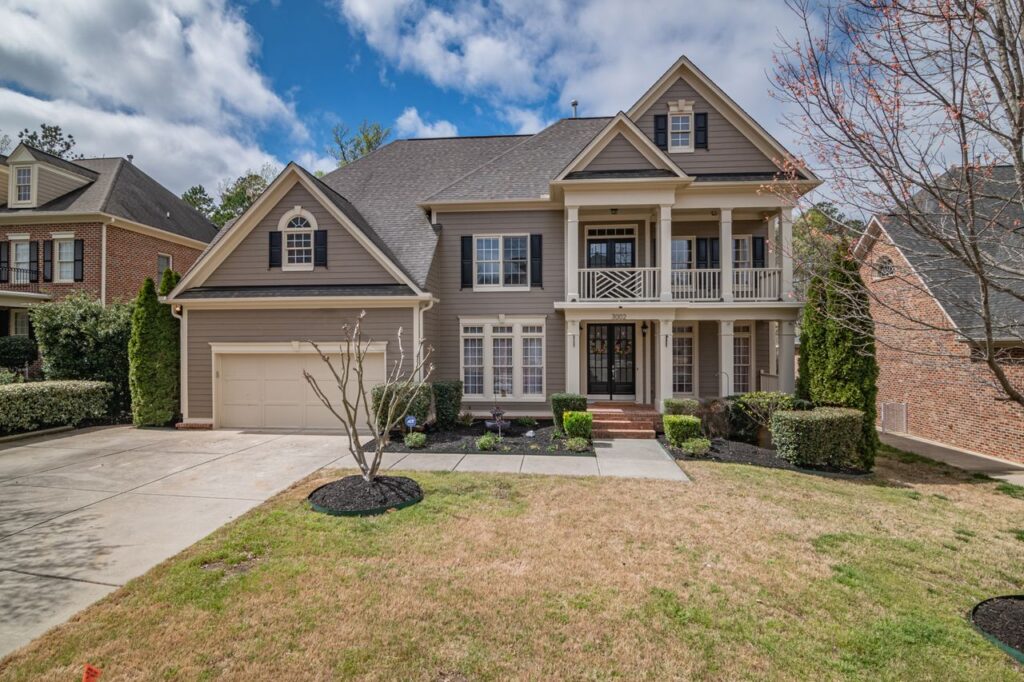
One of the most important things you can do to sell a home faster is price it appropriately from the beginning. An asking price that is significantly higher than comparable properties may discourage buyers from scheduling a showing. Even if the home has desirable features, an unrealistic price can cause the listing to sit on the market while competing properties attract more attention.
Pricing a home involves more than deciding what the property is worth to you personally. Homeowners often have an emotional connection to their properties, especially if they have lived there for many years. Memories, improvements, and personal investment can make a home feel particularly valuable. Buyers, however, are primarily evaluating whether the property represents a reasonable value compared with other homes currently available.
At the same time, pricing a property too low may result in a quick offer but could prevent you from achieving the property’s full potential value. The goal is to establish a price that reflects the home’s current market value while remaining attractive to the buyers most likely to be interested.
Review Comparable Properties
Comparable properties, often called “comps,” can provide useful insight into what buyers are currently willing to pay. Relevant comparisons may include recently sold homes and active listings with characteristics similar to your property. Factors to consider include:
- Location
- Square footage
- Number of bedrooms and bathrooms
- Lot size
- Property condition
- Age and architectural style
- Recent renovations
- Amenities and special features
The most useful comparisons are generally homes that are similar in location and condition and that have sold recently. Active listings can also provide insight into what buyers are currently seeing when they shop for a home.
A real estate professional can help interpret these comparisons rather than simply looking at a list of nearby properties. Two homes on the same street, for example, may have very different values because of differences in size, condition, updates, views, lot characteristics, or floor plans.
Avoid The “We Can Always Lower It Later” Approach
Some homeowners intentionally set a high asking price with the expectation that they can reduce it later. Although a price reduction is an option, starting too high can have consequences.
A newly listed property may receive significant attention during its first days or weeks on the market. If the asking price discourages buyers during that period, the home may miss opportunities to generate showings and offers. A property that remains listed for an extended period can also lead buyers to wonder whether there is an underlying problem.
A well-supported asking price can help generate interest early and potentially create stronger negotiating opportunities.
Rather than choosing a price based solely on how quickly you want to sell, consider the property’s position relative to similar homes. The objective is to find the balance between maximizing value and attracting serious buyers.
Make Necessary Repairs Before Listing
A home does not necessarily need a complete renovation before it goes on the market. However, obvious maintenance issues can make buyers hesitant and may give them additional reasons to negotiate the price.
Before listing, walk through the property and identify repairs that could affect a buyer’s perception of its condition. Small problems can become disproportionately noticeable when buyers are viewing a home specifically to evaluate whether it is worth purchasing.
A dripping faucet may be easy for a homeowner to ignore after becoming accustomed to it, for example, but a buyer may see it as an indication that the property has not been properly maintained. Several small issues throughout the home can create a cumulative impression that the property requires significant work.
Focus On High-Impact Repairs
Consider addressing issues such as:
- Leaking faucets or plumbing fixtures
- Broken doors, locks, or windows
- Damaged flooring
- Peeling paint
- Water stains
- Faulty light fixtures
- Damaged cabinets or hardware
- Visible electrical or plumbing problems
- Poorly maintained landscaping
- Other obvious signs of deferred maintenance
The purpose is not necessarily to make the home perfect. Instead, focus on correcting issues that are noticeable, potentially concerning, or likely to appear during an inspection.
Repairs can also make the home easier to market. When a property looks cared for, marketing photographs may present it more favorably, buyers may feel more confident scheduling a showing, and there may be fewer obvious issues distracting from the home’s desirable features.
Don’t Automatically Over-Renovate
Major remodeling projects can be expensive and time-consuming. Not every renovation will produce enough additional value to justify the cost, particularly if the goal is to sell quickly.
Before making a major improvement, consider whether buyers in your market are likely to value it and whether the project can realistically be completed before listing. In many situations, basic repairs and cosmetic improvements can provide a better balance between preparation costs and potential benefits.
A lengthy renovation can also delay the listing itself. If the goal is to sell within a specific timeframe, taking on a major project immediately before listing could work against that objective.
Instead, prioritize projects that address visible problems or improve the home’s overall presentation. Discuss larger renovations with a real estate professional before committing significant time or money.
Improve Curb Appeal
The outside of the home is often the first part of the property prospective buyers see. Whether they encounter the home through online photographs or arrive for an in-person showing, exterior presentation can influence their initial impression.
Improving curb appeal does not necessarily require an expensive landscaping project. Simple maintenance can make the property appear cleaner, more welcoming, and better cared for.
Because buyers often make quick judgments when they first encounter a property, the exterior should communicate that the home has been maintained. A neat yard, clean entrance, clear walkway, and well-maintained exterior can create a positive transition into the rest of the property.
Simple Ways To Improve The Exterior
Depending on the property, sellers might:
- Mow and edge the lawn
- Trim overgrown shrubs and trees
- Remove weeds
- Clean walkways and driveways
- Clear leaves and debris
- Wash exterior surfaces when appropriate
- Clean windows
- Repaint or touch up the front door
- Replace outdated or damaged house numbers
- Add simple landscaping accents
- Organize the front porch or entryway
The goal is to create an exterior that makes buyers interested in seeing what is inside.
These improvements can also make online listing photographs more appealing. Since the exterior is often included among the first images buyers see, taking the time to prepare it can improve the property’s initial presentation.
Pay Attention To The Entryway
The front entrance deserves particular attention because it provides the transition between the exterior and interior of the property. A clean door, clear walkway, functioning exterior lighting, and uncluttered entry can make the home feel more inviting.
These relatively inexpensive improvements can contribute to a stronger first impression without requiring a major investment.
Think about what a prospective buyer sees while walking toward the front door. Remove unnecessary items, sweep the area, clean visible surfaces, and make sure the entrance is easy to access.
Declutter, Clean, And Stage The Home
Buyers need to be able to imagine themselves living in a property. Excessive personal belongings, crowded rooms, and visible clutter can make that more difficult.
A cluttered home can also make rooms appear smaller. When furniture, decorations, boxes, and personal belongings occupy too much visual space, buyers may have difficulty understanding the property’s actual dimensions and layout.
Before listing, remove items that are unnecessary or that make rooms appear smaller than they actually are. Consider storing excess furniture, decorations, seasonal belongings, and personal items elsewhere while the home is being marketed.
Make Each Room Feel Functional
Every room should have a clear purpose. A room filled with miscellaneous belongings can leave buyers uncertain about how they might use the space.
Arrange furniture so that rooms feel open and easy to navigate. Avoid blocking windows, doors, or important architectural features. If a room is unusually small, using less furniture may make it appear more spacious.
Consider the flow from one room to another as well. Buyers should be able to move through the property comfortably without navigating around unnecessary furniture or objects.
Personalization can also be reduced during the selling process. Family photographs, highly specific decorations, and large collections can draw attention away from the home’s features. A more neutral presentation can allow buyers to focus on the property itself.
Deep Cleaning Matters
Cleanliness can strongly influence how buyers perceive a property’s condition. Before professional photographs and showings, pay attention to areas that homeowners may overlook during everyday cleaning.
This can include:
- Baseboards
- Windows
- Light fixtures
- Ceiling fans
- Kitchen appliances
- Cabinets
- Bathroom fixtures
- Floors
- Closets
- Garages
- Outdoor areas
A clean home can appear better maintained and may make buyers feel more comfortable considering it seriously.
Pay special attention to kitchens and bathrooms because buyers often scrutinize these spaces. Remove countertop clutter, clean appliances, polish appropriate fixtures, and make cabinets and storage areas look organized.
Consider Professional Staging
For some properties, professional staging can help showcase the home’s layout, proportions, and features. Staging does not necessarily mean completely furnishing an empty property. It can also involve rearranging existing furniture, removing unnecessary items, and adding carefully selected accessories.
The right approach depends on the property and the local buyer market.
The objective is to make the home feel inviting while allowing prospective buyers to focus on the space rather than the seller’s belongings. Staging can also help rooms look purposeful in photographs and during showings.
Invest In Strong Real Estate Marketing
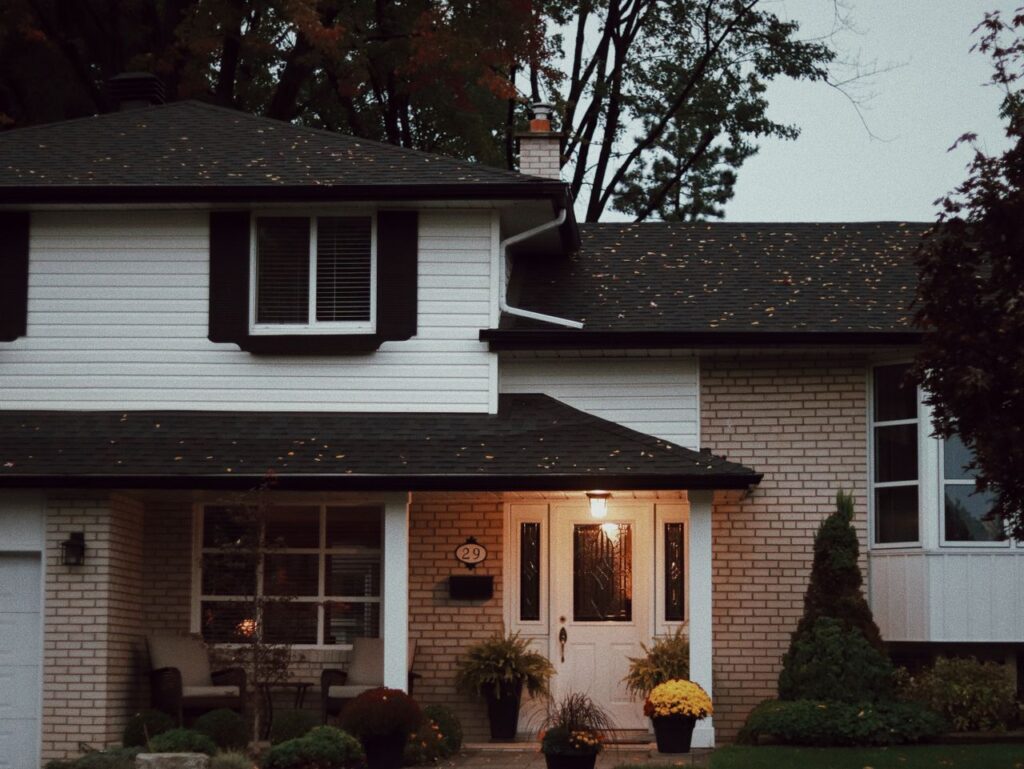
Even a well-priced and beautifully maintained home cannot sell quickly if potential buyers do not know it is available. Effective marketing helps the property stand out and gives prospective buyers enough information to decide whether they want to schedule a showing.
Online presentation is particularly important because many buyers begin their search digitally.
A listing should make it easy for a prospective buyer to understand the property’s major selling points without overwhelming them with information. Clear photographs, accurate details, and a well-written description can work together to create interest.
Use High-Quality Photography
Professional-quality photographs can showcase the home’s best features and create a stronger first impression online. Images should generally be bright, clear, properly composed, and representative of the property.
Photographs should highlight important spaces such as:
- The front exterior
- Living areas
- Kitchen
- Primary bedroom
- Bathrooms
- Outdoor spaces
- Special features
- Additional rooms that add value
Poor-quality or poorly lit photographs can make an otherwise appealing property look less attractive.
Before the photographer arrives, complete the cleaning and decluttering process. Open appropriate curtains and blinds, remove unnecessary objects, and make sure the most attractive features of each room are visible.
Write An Informative Property Description
A listing description should do more than repeat basic facts. It should communicate what makes the property appealing while providing accurate information.
For example, the description may highlight:
- An updated kitchen
- A desirable floor plan
- Outdoor living space
- Natural light
- Recent improvements
- A convenient location
- Energy-efficient features
- Garage or parking availability
- Nearby amenities
The objective is to help potential buyers understand the property’s value before they schedule a showing.
Descriptions should remain accurate and avoid exaggerating features. Buyers should find that the property they see in person matches what they saw in the listing.
Consider Additional Marketing Formats
Depending on the property, additional marketing may include virtual tours, video walkthroughs, floor plans, social media promotion, targeted digital advertising, open houses, and other strategies.
A marketing plan should be tailored to the type of property and the buyers most likely to purchase it.
Not every marketing technique is appropriate for every property. The goal is to identify the channels and materials that are most likely to put the home in front of qualified buyers.
Make Showings Easy For Buyers
Once a property is listed, convenience can have a meaningful effect on the number of people who actually see it. If scheduling a showing is unnecessarily difficult, interested buyers may move on to another property that is easier to access.
Whenever possible, sellers should work toward a showing schedule that provides reasonable flexibility while still respecting their own needs.
A buyer who cannot find a convenient time to visit may lose interest, especially when there are several properties available. While sellers may need advance notice or restrictions around certain hours, excessive limitations can reduce opportunities to connect with serious buyers.
Prepare The Home For Every Showing
The home should be clean, organized, and ready for prospective buyers. Before a showing, sellers may want to:
- Turn on appropriate lights
- Open curtains or blinds
- Put away dishes and personal belongings
- Keep beds and rooms tidy
- Remove visible trash
- Secure valuables and sensitive documents
- Address unpleasant odors
- Maintain comfortable indoor temperatures
Small details can influence how buyers experience the property.
Sellers should also remember that buyers may spend time examining storage areas, closets, outdoor spaces, and other parts of the property. Keeping these areas reasonably organized helps reinforce the overall impression that the home is well maintained.
Be Flexible When Possible
A buyer who is genuinely interested may want to see the home outside of traditional hours. While sellers do not need to accommodate every request, excessive restrictions can reduce opportunities.
A balance between seller convenience and buyer accessibility can help increase showing activity.
If possible, sellers can establish a predictable showing process with their real estate professional. Clear communication can make it easier to respond to requests without creating unnecessary disruption.
Work With An Experienced Real Estate Professional
Selling a home involves much more than placing a sign in the yard and waiting for an offer. A real estate professional can help coordinate pricing, preparation, marketing, showings, negotiations, and other parts of the transaction.
This can be especially valuable when the seller wants to move quickly while still protecting the property’s value.
An experienced professional can provide an outside perspective on the property. Homeowners may overlook issues because they are familiar with the home, while an experienced real estate professional can help identify factors that could influence buyer interest.
Develop A Selling Strategy
An effective strategy should consider the home’s:
- Location
- Condition
- Features
- Likely buyer pool
- Competition
- Current market conditions
- Seller’s desired timeline
- Financial goals
The strategy may change depending on whether the local market favors buyers or sellers and how similar properties are performing.
For example, a property in excellent condition may require a different preparation strategy than one that needs repairs. Similarly, a home with distinctive features may need marketing that specifically emphasizes those characteristics.
Monitor The Listing After It Goes Live
The selling process does not end when the listing is published. Sellers and their real estate professional should pay attention to indicators such as showing activity, buyer feedback, online engagement, and competing listings.
If the property receives very little interest, it may be worth reassessing the pricing, presentation, marketing, or accessibility of the home.
If buyers consistently provide similar feedback after showings, that information may help identify adjustments that could improve the property’s appeal.
This approach is important because a selling strategy should not be completely static. Market conditions can change, competing listings can appear, and buyer responses can provide useful information. Reviewing the listing’s performance allows sellers to make informed adjustments rather than simply waiting and hoping for an offer.
How Long Does It Take To Sell A Home?
There is no universal timeline for selling a home. Some properties attract an offer shortly after listing, while others may take considerably longer. Location, price, property condition, buyer demand, financing conditions, seasonality, and broader economic factors can all affect the timeline.
Because so many factors influence the process, homeowners should be cautious about promises that a property will sell within a specific number of days. Instead, the focus should be on improving the factors that can reasonably be controlled.
The best way to improve the odds of a timely sale is to address those controllable factors. A competitively priced, well-presented, properly marketed property is generally better positioned to attract qualified buyers than a home that is overpriced, poorly presented, or difficult to tour.
It is also important to distinguish between receiving an offer and completing a sale. Even after a seller accepts an offer, the transaction may still require inspections, appraisal, financing, title work, negotiations, and other steps before closing.
For this reason, sellers should consider their complete timeline rather than focusing exclusively on how quickly they can receive an offer. If a move or financial deadline is approaching, planning for the additional steps after accepting an offer can help prevent unnecessary stress.
Should You Lower The Price To Sell Faster?
A price reduction can sometimes help increase interest, but it should not automatically be the first response to a slow listing.
If a home has been properly marketed but receives little activity, the asking price may be one factor worth reviewing. However, sellers should also consider the quality of the photographs, listing description, property condition, showing availability, and buyer feedback.
For example, if the listing receives many online views but very few showing requests, the issue may be related to pricing or how the property is presented. If buyers schedule showings but consistently raise concerns about the condition, repairs or improvements may deserve attention. If there is strong showing activity but no offers, reviewing buyer feedback and the property’s overall value proposition may provide useful insight.
A thoughtful pricing adjustment based on current market evidence can be more effective than making repeated reductions without understanding why the property is not attracting buyers.
The decision should therefore be based on evidence rather than frustration. Working with a real estate professional can help sellers determine whether a pricing change is appropriate or whether another aspect of the selling strategy should be addressed first.
Other Factors That Can Affect How Quickly A Home Sells
While the seven primary strategies above address many of the factors sellers can control, it is also useful to recognize that some aspects of the selling timeline are outside the homeowner’s direct control.
Location
The location of a property can influence the pool of prospective buyers. Neighborhood characteristics, accessibility, nearby amenities, schools, employment centers, transportation options, and other local factors can affect buyer demand.
A seller cannot change the location of the home, but marketing can emphasize legitimate location-related advantages that may appeal to the intended audience.
Market Conditions
Buyer demand can change over time. The number of competing properties, financing conditions, economic circumstances, and broader real estate trends can all influence how quickly buyers make decisions.
A strategy that works well in one market may need to be adjusted in another. This is another reason why current market information is important when setting the asking price and determining how aggressively to market the property.
Property Condition
Condition affects both buyer perception and the potential costs a buyer may anticipate after purchase. A home that requires extensive work may appeal to a narrower group of buyers than a comparable property that is move-in ready.
This does not mean every home needs to be completely renovated. Instead, sellers should understand how the property’s condition compares with other homes competing for the same buyers.
Seller Readiness
A seller’s own preparedness can also affect the process. Important documents, maintenance information, disclosures, repair records, and other transaction-related materials may need to be gathered. Preparing these items early can help prevent avoidable delays once a buyer becomes interested.
What Should You Do Before Listing Your Home?
Preparation can make the listing process more organized and can help ensure that the property is presented in its strongest reasonable condition. A seller may want to begin by walking through the property room by room and identifying repairs, cleaning needs, clutter, and exterior improvements.
Next, discuss the property’s condition and potential asking price with a real estate professional. This conversation can help determine which improvements are worth completing and which projects may not provide enough benefit to justify their cost.
Once preparation is complete, focus on creating a strong listing. Professional-quality photographs, an informative description, and an appropriate marketing strategy can help attract the attention of prospective buyers.
Finally, make a plan for showings before the property goes live. Knowing how quickly you can make the home available can make it easier to respond when interested buyers request appointments.
Conclusion
If you want to sell a home faster, focus on creating a property that buyers can easily find, afford, appreciate, and envision themselves owning. The process begins with a realistic asking price and continues with repairs, curb appeal improvements, cleaning, decluttering, staging, professional marketing, and convenient showings.
There is no guaranteed formula for selling a home within a specific number of days, but strategic preparation can reduce avoidable delays and improve the property’s position in the market. At Sexton Group Real Estate Property Management, thoughtful planning and local market knowledge can help homeowners approach the selling process with greater clarity and confidence. Whether you are preparing a property for market or deciding what improvements are worth making, getting professional guidance early can help you make informed decisions from the start.
The goal is not simply to put a home on the market as quickly as possible. The goal is to prepare it properly, position it competitively, market it effectively, and make the process as convenient as possible for serious buyers. By taking these steps before and after the listing goes live, homeowners can give their property a stronger opportunity to attract qualified buyers and move to\\\\\
\\\\\\\\ward a successful sale.
FAQs About Selling A Home Faster
1. What Is The Fastest Way To Sell A Home?
There is no single method that guarantees a fast sale. In many cases, appropriately pricing the home, improving its presentation, completing important repairs, using strong marketing, and making showings convenient can help attract buyers more quickly.
A well-prepared property can make a stronger first impression, but the actual timeline will depend on factors such as location, buyer demand, competition, and market conditions.
2. Should I Renovate My Home Before Selling It?
Not necessarily. Major renovations can be expensive and time-consuming. Sellers should generally prioritize necessary repairs and improvements that are likely to make a meaningful difference to buyer perception.
Before beginning a major renovation, consider the project’s cost, timeline, and potential value to buyers. A real estate professional can help determine which projects may be worthwhile before listing.
3. Does Staging Help Sell A Home Faster?
Staging can help buyers understand the property’s layout and visualize how they might use the space. It can be particularly helpful when rooms are empty, unusually sized, or crowded with furniture and personal belongings.
Staging does not always require purchasing new furniture or completely redesigning the home. In some cases, removing clutter, rearranging furniture, and creating a more neutral presentation may be enough.
4. How Important Is The Asking Price When Selling A Home?
The asking price is extremely important. An asking price that is too high can limit showing activity and cause the property to remain on the market longer. Pricing should take into account comparable properties, current market conditions, property features, and buyer demand.
A competitive price can help generate interest when the listing is new and may give the seller a better opportunity to attract qualified buyers.
5. What Repairs Should I Make Before Listing My Home?
Start with noticeable or potentially concerning issues, such as plumbing problems, damaged flooring, broken fixtures, peeling paint, water stains, and exterior maintenance issues. You do not necessarily need to correct every minor imperfection before selling.
The most useful repairs are generally those that address visible problems, improve the home’s presentation, or reduce concerns buyers may have during showings and inspections.
6. How Can I Make My Home More Attractive To Buyers?
Clean and declutter the property, improve curb appeal, address visible maintenance issues, maximize natural light, and make rooms feel functional and inviting. High-quality photographs and an accurate, compelling listing can also improve the property’s online presentation.
Think about the experience from the buyer’s perspective. The property should be easy to navigate, visually appealing, and presented in a way that allows buyers to focus on its features.
7. Can A Real Estate Professional Help Me Sell My Home Faster?
A real estate professional can help develop a strategy covering pricing, preparation, marketing, showings, buyer communication, and negotiations. Although no professional can guarantee a specific selling timeline, experienced guidance can help sellers avoid common mistakes that may cause unnecessary delays.
A professional can also help evaluate buyer feedback and determine whether adjustments to pricing, presentation, marketing, or showing availability may be appropriate.
8. Should I Lower My Home’s Price If It Is Not Selling?
A price reduction may be appropriate in some circumstances, but it should not automatically be the first response. Sellers should first consider whether the home is priced appropriately compared with similar properties and whether other factors, such as condition, marketing, photographs, or showing availability, could be limiting buyer interest.
Reviewing the listing’s performance and buyer feedback can help determine the most appropriate next step.
9. How Can I Sell My House Without Spending A Lot On Renovations?
Focus on relatively simple improvements that address visible issues and improve presentation. Cleaning, decluttering, improving curb appeal, touching up paint, repairing minor problems, and organizing rooms can make a meaningful difference without requiring a major renovation.
Before spending a substantial amount on an improvement, consider whether buyers are likely to value it and whether the project could delay the listing.
10. What Should I Do If Buyers Are Viewing My Home But Not Making Offers?
Start by reviewing the feedback from showings. Repeated concerns can reveal potential obstacles to a sale. Also review the asking price, competing properties, property condition, marketing materials, and showing process.
If the home is receiving showings but no offers, there may be a gap between what buyers see and what they believe the property is worth. A real estate professional can help evaluate the available information and determine whether a change in strategy is warranted.
————————————
Sexton Group Real Estate | Property Management Helps You Make The Most Of Where You Live
Owning a home in the East Bay isn’t just about the purchase; it’s about how you live in it every day. Sexton Group Real Estate | Property Management helps you turn a house into a space that supports your lifestyle, goals, and long-term plans. With offices in Berkeley, Oakland, and Lafayette, our team understands how different homes and neighborhoods shape the way you live, from vibrant, walkable areas to quiet residential communities.
For more than 25 years, our agents have helped homeowners go beyond buying and start building a lifestyle. Maybe that means creating space for entertaining, upgrading your home for comfort and efficiency, or choosing a neighborhood that fits your daily routine. Whether you’re planning your first home or improving the one you already have, we help you make decisions that add real value to your life.
You’ll get practical, easy-to-follow guidance at every stage. That includes planning your purchase with future improvements in mind, understanding which upgrades make the biggest impact, exploring neighborhoods that match your lifestyle, and making confident decisions that support both comfort and long-term value. We keep things simple, clear, and focused on helping you enjoy your home to the fullest.
Ready to get more out of your home and your lifestyle? Contact us for a free homebuyer consultation. Sexton Group Real Estate | Property Management is here to help you live better in the East Bay.