
October 9, 2025 | Sexton Real Estate Group
Key Takeaways
- You should understand how tech volatility affects local jobs, buyer sentiment, and demand, which in turn influences pricing and investment risk in the East Bay.
- You’ll gain from keeping an eye on new development pipelines and zoning — they’ll dictate where and when additional supply hits the market.
- Don’t forget that shifting buyer psychology, propelled by economic uncertainty and lifestyle changes like remote work, is impacting preferences for home features and locations alike.
- Don’t forget to consider demographic trends — aging populations and the growth of multi-generational households — who are altering what kinds of homes are in demand and steering the market’s direction.
- You’ll benefit from our dive into the tangled regulatory landscape, too, as state mandates and local ordinances alike present both hurdles and new openings for East Bay buyers, sellers, and developers.
East Bay housing inventory shows early indications of a late-in-the-season shift. They have fewer listings than last year, but they are on the market longer. No headline – Prices remain stable in the majority of neighborhoods, but a few show minor week-to-week declines. Soaring mortgage rates and sales slowdowns imply you could have more options and reduced bidding heat. Whether you’re buying or selling, these market signals can assist you with setting realistic goals and steer you away from outdated trends that no longer align with what’s going on. To help you make sense of these trends, you need some clear facts and a close-up look at neighborhood data — which is what the next sections provide.
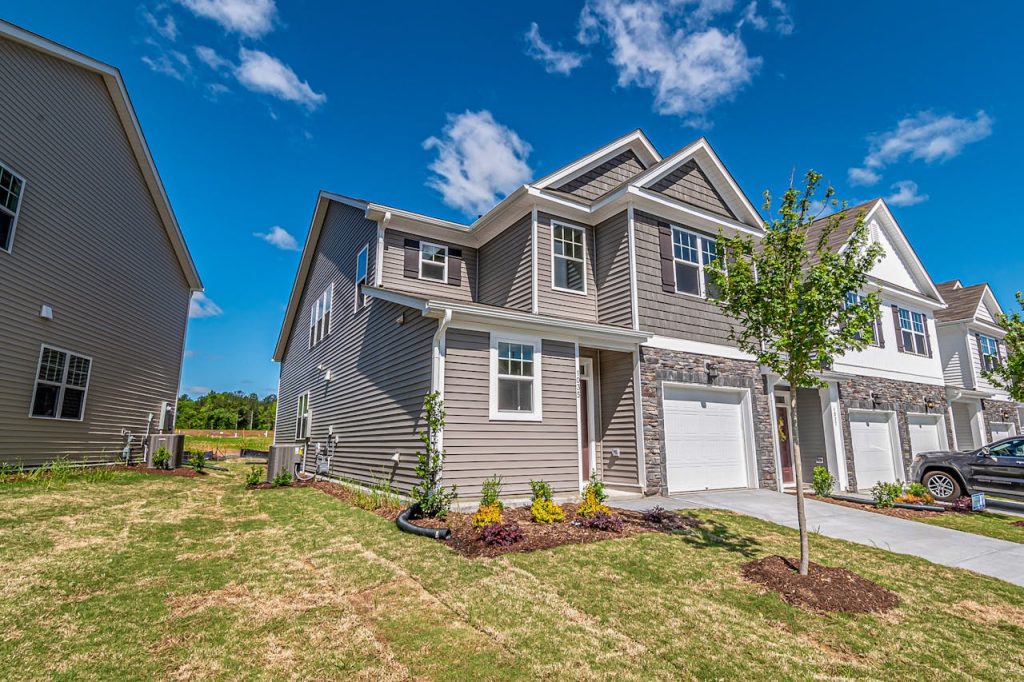
What Drives East Bay Housing Inventory?
These forces don’t act in isolation—each connects to the others, forming a perpetually shifting landscape in the real estate market. Understanding the market dynamics driving these swings is essential to grasping the trends we’re experiencing and will experience.
1. Interest Rate Lock-In
As many East Bay homeowners now have fixed mortgage rates that are far below current rates, the East Bay market is experiencing unique challenges. With rates near 7%, it’s hard for you — as a seller — to rationalize relocating and assuming a new, even higher-rate loan. This lock-in effect decelerates homeowner mobility and keeps supply constrained. Since fewer homes are hitting the market, buyers today encounter steeper competition for the properties they want. Sellers have to figure out how to differentiate themselves, whether that means pricing realistically and making the kind of upgrades that motivated buyers desire. Overpricing–even by 5%–can keep a home lingering on the market, prompting price reductions that contribute extra noise to the inventory data. In the long run, such locked-in owners may postpone moves, decreasing turnover and making the real estate market less fluid.
2. Tech Sector Volatility
The East Bay remains under the powerful influence of tech, with a large percentage of households in the area depending on incomes earned from tech jobs. When tech firms cut jobs or halt hiring, it shakes buyer confidence and demand for real estate, leading to fluctuations in the East Bay housing market. You will observe buyers hesitate, particularly in upper-tier markets, when headlines caution them of layoffs or falling stock prices. Investors track these signals because declining tech stocks can translate to reduced risk tolerance. Tech cycles dictate what East Bay housing inventory purchasers desire—transit proximity for commuters or extra space for hybrid work, impacting the real estate market dynamics.
3. New Development Pipeline
New projects are among the few direct mechanisms for affecting inventory in the East Bay housing market. Tight zoning and land in the East Bay slow new construction, which impacts housing prices. While new projects add a few choices, they are nowhere near enough to satisfy the persistent demand. Where local regulations loosen, new construction can help stabilize prices and provide additional options, but the effect is typically modest. In transit-rich, dense pockets, new developments attract motivated buyers seeking shorter commutes, highlighting the ongoing demand despite constraints.
4. Shifting Buyer Psychology
Economic uncertainty makes buyers more cautious in the current real estate market. You may start seeing buyers hesitate—days on market increased, from 19 to 25. Buyers today seek spacious homes to accommodate evolving lifestyles, including more room for remote work or proximity to green spaces. Remote work — a now-central trend — is fueling the appeal of suburban areas. Emotional factors—fear of missing out, or fear of overpaying—can push demand to swing quickly, sending inventory plummeting.
5. Evolving Demographics
From baby boomers entering their later years to millennial households just beginning, the East Bay housing market is a melting pot of people. What’s fueling the East Bay inventory and what’s in demand are the current trends in family homes and spacious homes. Cultural shifts help determine what neighborhoods are hot and what styles appeal, shaping the market dynamics as fresh cohorts come to market with their own desires and style.
A Decade Of Market Forces
In the past decade, the East Bay housing market has undergone significant changes. You’ve seen housing prices increase at a rapid rate, turning the region into one of the most expensive in the country. The culprit is a combination of robust job growth, constrained supply, and changes in demand. The tech sector has been ground zero for this shift, luring talent globally and driving up home and rent prices. This real estate market has become more complicated for buyers, sellers, and renters. This background is important because it informs what you should anticipate and how you can strategize.
Economic growth and job creation have fueled much of the East Bay’s housing trends. Tech firms, from the giants to the little guys, moved in and brought a lot of well-paying work. This growth has resulted in increased demand for housing, straining a supply that has lagged. For the last decade, this demand has pushed large price gains, pricing out many potential purchasers. Additionally, homeowners with low fixed mortgage rates have been sluggish to sell, keeping inventory tight and prices up. Now, with tech layoffs and a larger work-from-home population, there are indications that some of this behavior is beginning to shift. Some homeowners are rethinking their plans and may see more listings hit the market as people look to relocate or cash out, impacting the overall Bay Area housing market forecast.
If you examine price trends over the decade, you get a sense of just how fast the market can move. Home values have skyrocketed, then flattened, and even declined in places as the market shifted. For buyers today, the lesson is clear: the past is a guide, not a rulebook. When prices rise that quickly, it kicks you into considering value and long-term strategy. While prices remain high by global norms, today’s East Bay buyers are more cautious, seeking spacious homes that meet their needs and budget. With professionals now projecting a gradual decrease in home values, you need to balance the danger of waiting for a superior offer with the risk of losing a gem. Recent trends indicate that value plays a bigger role than ever—whether that means searching for homes in not-so-hot neighborhoods or waiting for price reductions.
Previous market cycles provide cautionary tales for the East Bay’s all-star potential. During a boom, buyers push their budgets, only to get into trouble when the market slows. The past 10 years have highlighted how external forces, such as interest rate hikes or tech layoffs, can alter demand overnight. For renters, consistent increases in demand have resulted in rising rents and fewer options—so thinking ahead is important. For investors, the market’s roller coaster makes the case for caution. By centering on enduring value and monitoring economic currents, you can select those that endure market transformation. Every cycle instructs that adaptability, patience, and due diligence keep you ahead in this dynamic real estate market.
The Impact Of Economic Headwinds
Economic headwinds influence the East Bay housing market, both explicitly and implicitly. You observe these forces in buyer behavior, investor choices, and how homes are listed and sold. Regardless of where you live, reading these shifts will help you navigate the real estate market much more skillfully and move more smartly. Understanding the current trends in the Bay Area housing market forecast can also aid in making informed investment decisions.
Surging inflation and the cost-of-living crisis have added further pressure to purchasers. When prices for everyday goods go up, your new home budget tightens. The Bay Area’s economy might be booming, with 4.8% GDP growth in 2022, but that doesn’t insulate buyers from the sting of inflation. Mortgage rates in the vicinity of 7% translate to monthly payments that are significantly higher than they were just a few years ago. For example, a $500,000 home loan at 7% has a monthly payment of around $3,300, while 5% would be closer to $2,700. Even a slight uptick in rates can throw some buyers out of the marketplace. This decline in affordability decelerates sales and causes even more individuals to hold off, anticipating improved conditions. The impact is obvious—homes are selling more slowly, with median days on market increasing to 24 from 16 a year ago. While this trend provides more time for decision-making, it indicates ambiguity in the housing prices.
Just like the stock market, it steers real estate investment. When stocks do well, more people have cash to invest in housing. When markets swoon or fall, you and other prospective buyers may be more wary. Property investments cool as folks watch portfolios rebound. This connection is amplified in high-value markets like the Bay Area, where buyers commonly tap stock wealth to finance major purchases. If stock returns are anemic, buyers become cautious, and sellers might have to discount to receive bids. The sales-to-list-price ratio has declined to 98.5%—indicating that homes are now selling for less than the asking price, as opposed to 100% last year. This means less competition and more power for you as a buyer in the current market dynamics.
It makes sense, right? Economic uncertainty makes people cautious. When you’re uncertain about your income, your job, or where the economy is headed, you’re less likely to make a hasty decision. This cautious mood has dampened sales, despite the broader Bay Area housing market anticipating a 6% increase in existing home sales in 2025 and 11% in 2026. With the unsold inventory index rising to 2.7 months from 2.0 months a year ago, there’s no question we’ve entered a buyer’s market. Put differently, there’s more inventory and more decision time, which is crucial for motivated buyers.
If you’re going to buy or sell in this climate, you’ve gotta have a plan. Buyers should target homes that have been on the market longer, as sellers are likely to be more amenable to deals. Sellers can assist their odds by pricing homes according to where things are trending, not last year’s high-water mark. By observing both mortgage rates and how stocks are doing, you can time your move. In a shifting marketplace, the data-driven and patient are usually the winners in the real estate market update.
Navigating The Regulatory Maze
To accurately predict where the real estate market is heading, one must grasp the intricate rules that govern housing in the East Bay. The regulatory landscape, shaped by both state-level mandates and local regulations, significantly influences the availability of homes and the speed at which they are built. These rules, which can vary annually, pose challenges to navigate, as even a minor project may necessitate negotiating through a complex maze of permits and agencies. This often leads to delays and extra costs. For those involved in real estate or looking to purchase single-family homes, a solid understanding of these regulations can provide a substantial edge.
State Mandates
| State Policy | Key Implications | Impact for Developers | Impact for Buyers/Sellers |
| SB 35 (Streamlining) | Fast-tracks some projects | Cuts some delays | May boost supply |
| RHNA (Housing Needs) | Sets housing targets | Raises pressure to build | Can ease shortages |
| ADU Laws | Eases rules for small units | Simpler for homeowners | More flexible options |
| CEQA Reform | Alter the environmental review | May speed up approvals | Lower costs, more projects |
Adhering to state regulations is hard. You handle multiple agencies, shifting forms, and a ton of paperwork. Even with streamlining, there’s no easy route—one skipped step can add months of extra delay. For example, a new apartment complex might require city, county, and state approvals, all of which have their own codes.
State mandates are intended to encourage supply, but they can escalate costs. So when regs demand more affordable units or new design standards, those expenses get passed along to purchasers. For developers, that translates into tighter margins, and for you as a buyer, it potentially means higher prices or fewer homes to choose from. Even so, the drive for greater housing can relieve shortages eventually. For buyers, these changes could translate into more options coming soon. If you’re a seller, more inventory may alter your home’s value.
Local Ordinances
Local rules play a significant role in shaping the real estate market, defining neighborhoods by restricting what can be built and where. In certain areas, rigorous regulations maintain the appearance and aura of a locality for decades, resulting in fewer available homes and making it harder for you to move into certain neighborhoods. In districts with more flexible rules, builders can construct new single-family homes or multi-unit buildings, gradually tipping the scales of supply and demand in the local market.
Community involvement is crucial in this process. Public hearings provide neighbors a chance to voice their opinions, which can sometimes derail necessary projects. While these meetings may help keep neighborhoods stable, they can also impede the construction of desperately needed housing. When zoning changes do occur, they can significantly impact property values, particularly in the East Bay market, where permitting taller buildings or higher units per lot can increase land value but may also alter a street’s character.
There are a few rules that could use a refresh to meet today’s demands. Outdated zoning laws or parking minimums can restrict how many homes get constructed. By modifying these regulations, municipalities can create more homeownership opportunities, although this is a slow process, and not all are willing or able to make these changes.
Building Costs
| Item | Cost Increase (%) | Effect on Home Price (USD/m²) |
| Lumber and Timber | +20 | +150 |
| Steel and Concrete | +15 | +120 |
| Labor (Skilled Trades) | +12 | +100 |
| Regulatory Fees/Permits | +10 | +80 |
Materials shortages – from timber to concrete – drag on construction. You experience fewer cranes on the skyline and more wait for new homes. When costs increase, builders either increase prices or reduce the number of CE projects to be built, which can reduce supply even more.
To adjust, builders seek strategies to reduce expenses. They may employ new techniques, such as prefabricated components, or opt for less expensive finishes. This can help make home prices more affordable for more buyers, but occasionally at the expense of some selection or craftsmanship.
If you’re buying, sky-high construction costs translate into higher budgeting needs. One clever thing to do is seek out homes in locations where new supply is arriving. The other is to inquire about incentives or subsidies; some cities provide these to assist in mitigating steep prices. In a tight market, staying flexible and informed can help you defy the odds.
East Bay’s Real Estate Microclimates
East Bay neighborhoods offer a diverse blend of real estate microclimates, influenced by geography and climate. Every neighborhood, from Oakland to Walnut Creek, has its own beat. The area’s microclimates—variances in sun, fog, and heat—alter not just the flavor of everyday life, but also housing prices, buyer interest, and how homes get utilized. Your skill in reading these shifts is crucial, whether you’re a motivated buyer, seller, or real estate professional. Market data shows that SFR inventory is up 20.05% and condos up 13.15% YoY, indicating the current trends in the market. Realtors who stay on top of these details and trends provide buyers and sellers a distinct advantage.
Urban Cores
In urban cores such as downtown Oakland and Berkeley, demand for housing remains unchanged, but there’s a shifting heartbeat in the Bay Area housing market. Median sale prices have declined for six consecutive months; however, pockets such as central Berkeley continue to exhibit robust price appreciation. City life is attractive due to walkable streets, immediate access to public transportation, and a vibrant arts and cuisine culture. Buyers here often seek condos or new high-rises, with housing stock varying from chic modern units to 100-year-old bungalows. These neighborhoods attract younger professionals and students, drawn by the lifestyle and employment opportunities available.
Housing affordability is the largest challenge in these dense centers, especially as housing costs continue to rise. Many buyers require jumbo loans to compete, particularly in desirable areas where prices can fluctuate significantly. Taxes and fees vary from one neighborhood to another, creating additional hurdles for buyers. City markets react quickly to tech booms and busts, school rankings, and local government policy changes. As inventory rises, you might experience increased negotiating leverage and a potential slowdown in bidding wars, but the city core remains hot. Keen local knowledge is essential to navigate the current trends and identify early shifts in the market dynamics.
Inner Suburbs
Inner ‘burbs like Walnut Creek and Alameda are gaining steam, particularly amongst families seeking space but quick city access. The equilibrium here is in having bigger plots, tree-lined streets, and homes with yards, but still living close enough to downtown for work or play. These areas still have their allure—quiet neighborhoods, local parks, and smaller schools—but are now witnessing new developments and increased density.
Two factors drive demand: the value of space and the pull of urban jobs. With their proximity to key transit lines, such as BART, these suburbs are a preferred option for any commuter. With increasing numbers of seekers of the magic combination of tranquility and convenience, the area grapples with maintaining its suburban character in the face of growing demand. Houses here are perhaps more affordable than in the city, but can still be pricey, especially in areas with excellent school ratings or proximity to parks.
Outer Communities
Outer East Bay communities such as Concord and Fremont are gaining ground for buyers seeking additional “home for their money.” All of these spots are a blend of new builds and older homes, usually on bigger lots with more privacy. Motivated buyers don’t mind commuting farther for work if it means a better price per square meter and a more peaceful existence. This outer edge contains numerous sunny neighborhoods, influencing the way people utilize their homes and public spaces. Outdoor activities are a huge attraction; however, the hottest months can really put a damper on being outside.
How far you have to commute significantly impacts buyer interest and demand. As high housing costs in the city push buyers to the suburbs, these communities attract a lot of attention — particularly from families and remote workers. The East Bay market has growth potential, but it’s contingent on traffic, transit, and ongoing job growth in the broader area. Towns once ignored are catching on as news of superior values and new amenities spreads.

Our Perspective On The Future
The East Bay housing market, in short, is at one of those inflection points where change is inevitable. Over the next few years, you may see a move toward more parity between buyers and sellers. Although the Bay Area’s median sale prices have fallen slightly, down 6.8% in 2025, to a median price of $1,007,000, these housing prices are nowhere near where they were before the pandemic. Homes are taking a little longer to sell, as average days on market inch up from 19 to 25. Existing home sales are expected to increase, with industry pros forecasting a 6% increase in 2025 and an 11% increase in 2026. Despite these shifts, the area’s persistent allure—propelled by tech employment and its beautiful landscape—still attracts buyers from in and out of the area.
With the market cooling, buyers and sellers alike have to reconsider their approaches. For buyers today, the transition implies you’ve got more opportunity to haggle, as houses are now selling at 98.5% of list price compared to last year’s 100%. That means you’re less likely to get pulled into bidding wars, allowing you to take your time, do your research, and select properties that meet your criteria, not just those that happen to be on the market. Pockets such as Berkeley, with median prices up 11% and sales volume up 69% in 2025, demonstrate that markets don’t move in lockstep, and local market data will give you an advantage. For sellers, it’s all about pricing homes correctly and ensuring that listings are unique. With more inventory and a longer time on the market, the old days of listing high and hoping for a quick sale aren’t going to cut it. Attention to presentation, pricing just right, and openness to negotiations are key.
Economic trends are going to be a huge factor in what’s next. Our Bay Area housing market forecast projects a gradual decline in home values—1.0% lower by July 2025, 3.2% lower by September 2025, and 6.1% lower by June 2026. Not a crash, but a soft correction. These are among the business and economic trends we think you need to keep an eye on. All of which might temper demand, but with 69% of buyers already living locally and 41% of sellers staying in the area, the market is still grounded in robust local demand. This stability acts as a buffer for the East Bay from more wild gyrations experienced in other worldwide markets.
For real estate investors, this ‘reset’ presents both peril and promise. Lower prices and greater inventory let you be picky. Neighborhoods such as Berkeley that still exhibit price and sales growth underscore locations where demand persists. Paying attention to sales-to-list ratios, inventory shifts, and local economic signals will allow you to identify smart real estate investments. If you’re a long-term investor, these shifts may mean you’re buying at prices that will look savvy in a few years, as the region’s flow of talent and job growth continues.
Conclusion
East Bay housing changes QUICK. Inventory follows jobs, interest rates, and new regulations. Every city exhibits its own trend. East Bay housing inventory buyers don’t see homes consistently. For example, buyers eye more homes one week, then dry spells the next. Sellers rethink prices as costs shift. Lenders tighten up, so buyers plan deeper. Something we’ve noticed is that some streets hold high demand while others cool off. You feel the push and pull every month. To stay ahead of the curve, see local numbers. Talk to street-smart agents with public listings and price maps. You get ahead by tracking trends — not just the headlines. For more insights and true news, follow our blog. Make smart moves. Keep your eyes peeled, monitor the data, and give us your tale.
Frequently Asked Questions
1. What Factors Influence East Bay Housing Inventory?
Local job markets, interest rates, and government policies influence the real estate market dynamics, affecting the availability of homes for purchase or lease in the current housing market.
2. How Has The East Bay Housing Market Changed In The Past Decade?
In the current real estate market, we’ve observed rising housing prices, low inventory, and strong demand, which can guide informed investment decisions for buyers and sellers.
3. What Economic Challenges Affect East Bay Housing Supply?
Increasing interest rates and inflation, alongside current trends in the real estate market, decrease affordability and may stall new construction, affecting your possibilities as a motivated buyer or seller of housing.
4. How Do Regulations Impact Housing Inventory In The East Bay?
Tight zoning and long approvals restrict new housing, impacting the real estate market and contributing to high housing costs for available homes in your neighborhood.
5. What Are Real Estate Microclimates In The East Bay?
Understanding the market dynamics of East Bay neighborhoods, including their own unique movements and prices, allows you to focus on the right home for your requirements.
6. Is A Shift In East Bay Housing Inventory Likely Soon?
Market indicators suggest potential changes in the real estate market, but it’s challenging to predict timing. Stay informed to make the best decisions for your housing goals.
7. How Can You Prepare For Changes In East Bay Housing Inventory?
Track market trends in the real estate market, consult neighborhood specialists, and evaluate your financing options to navigate housing prices.
Thinking About Buying A Home In The East Bay? Sexton Group Real Estate Is Here To Guide You Every Step Of The Way
If you’re ready to buy a home in the East Bay, Sexton Group Real Estate | Property Management is the trusted local partner you need. As a top real estate agency with offices in Berkeley, Oakland, and Lafayette, we specialize in helping buyers find the right home, whether you’re purchasing for the first time, upgrading, or investing in the future.
With over 25 years of market experience, our agents understand the unique neighborhoods and communities that make the East Bay special. From walkable downtown hubs to quiet residential streets, we’re here to help you explore the options and find a home that fits your lifestyle and budget.
We offer personalized support throughout the entire process—from mortgage pre-approval and neighborhood tours to writing offers and closing the deal. Sexton Group Real Estate makes buying a home feel less overwhelming and more exciting.
Ready to make a move?
Contact us today for a free homebuyer consultation. Let Sexton Group Real Estate | Property Management help you buy with confidence.