
March 31, 2026 | Sexton Real Estate Group
The East Bay provides many aging in place opportunities for seniors. That doesn’t necessarily make it the ideal option for you! You discover numerous neighborhoods with health care, public transportation, and community groups that assist you in keeping your daily life smooth and energetic. If you want close ties with family or friends, the East Bay frequently facilitates that with convenient connections and blended housing. Still, some of you might feel the squeeze of mounting prices and bustling roadways, which can be stressful or restricting. In order to select the right path, you balance your health, safety, and what you value most so that you can make an informed decision for your future.
Key Takeaways
- You will find the East Bay offers a balanced environment for aging in place with its temperate climate, scenic landscapes, and proximity to urban amenities supporting an active and fulfilling lifestyle.
- Whether you’re seeking out accessible homes or vibrant retirement communities, there’s a wide variety of housing available that can support both independent and assisted living as you age.
- You enjoy outstanding healthcare and senior care facilities and wellness programs to keep you healthy.
- You have all these transportation options: dependable mass transit, senior shuttles, and walkable communities that preserve your independence without a car.
- You would want to keep up with changing local policies, digital literacy initiatives, and community planning to make sure your voice and interests are being considered in an area that is rapidly evolving.
- So plan your budget wisely, seek out financial assistance, and use those local senior discounts and resources to get by.
Why Consider The East Bay?
It’s all a matter of climate, scenery, proximity, and diversity in choosing the perfect retirement location. The East Bay area offers a compelling mix of advantages, making it a practical and attractive choice for retirees seeking a balance between comfort, opportunity, and community.
| Feature | Highlights |
| Climate | Mild, sunny, coastal breezes, microclimates, warmer than San Francisco |
| Scenery | Parks, bay views, hills, waterfronts, tranquil green spaces |
| Proximity | Close to San Francisco, healthcare, vineyards, connected by BART and highways |
| Diversity | Multicultural, inclusive, vibrant neighborhoods, active community |
1. The Climate
The East Bay area is unique for its mild climate, making it a fantastic east bay area retirement community. Here, you enjoy long sunny days and mild temperatures, allowing for an active outdoor lifestyle most of the year. Constant coastal breezes keep the air fresh, making even warmer days feel more comfortable. Winters are mild with much less rain and practically no snow, minimizing the chance of weather that restricts your movement. The East Bay region features distinct microclimates; for instance, areas east of the Caldecott Tunnel can be 3 to 5 degrees Celsius warmer than those near the coast, helping you choose a neighborhood that fits your weather preference.
2. The Scenery
Some of the best parks in the East Bay area are located within the fantastic East Bay Regional Park system, Tilden, and Redwood regional parks, which open up miles of walking trails, biking paths, and picnic spots. Soak up panoramic views of the San Francisco Bay or lay low in tranquil woods. With waterfronts, rolling hills, and urban green spaces, these parks provide convenient opportunities to get moving, connect with others, or simply unwind in a natural oasis. Local landscapes foster a healthy retirement lifestyle and keep you in touch with the outdoors.
3. The Proximity
Living in the East Bay offers proximity to the San Francisco Bay Area while providing a peaceful retreat from the hustle and bustle. With reliable transportation options like BART, residents can easily access downtowns, attractions, and essential services. Freeways facilitate trips to nearby bay area cities or local vineyards. East Bay neighborhoods like Rockridge cater to diverse lifestyles, featuring urban flats, family-friendly suburbs, and stunning hillside homes. Access to excellent healthcare facilities is an added benefit, making it an attractive location for retirees.
4. The Diversity
The East Bay boasts a diverse population, making it a fantastic east bay area retirement community. This variety cultivates an open community where everyone has a place. Our local events and festivals represent many different cultures, providing opportunities to experience new foods, music, and traditions. You’ll encounter fellow travelers from other points and paths, forging powerful fellowship bonds. That spirit of inclusion is what makes retirees feel treasured, whether they are new to the area or old-timers.
5. The Activities
A broad variety of academic and social choices exists in the East Bay area. Community centers provide classes, workshops, and events for all interests, while parks encourage hiking, biking, or gardening. Join hobby groups, arts circles, and volunteer work. The fantastic East Bay area retirement community’s mix of walkable downtowns and lazy suburbs means you can select a lifestyle that suits your tempo and passions.
Navigating Housing Realities
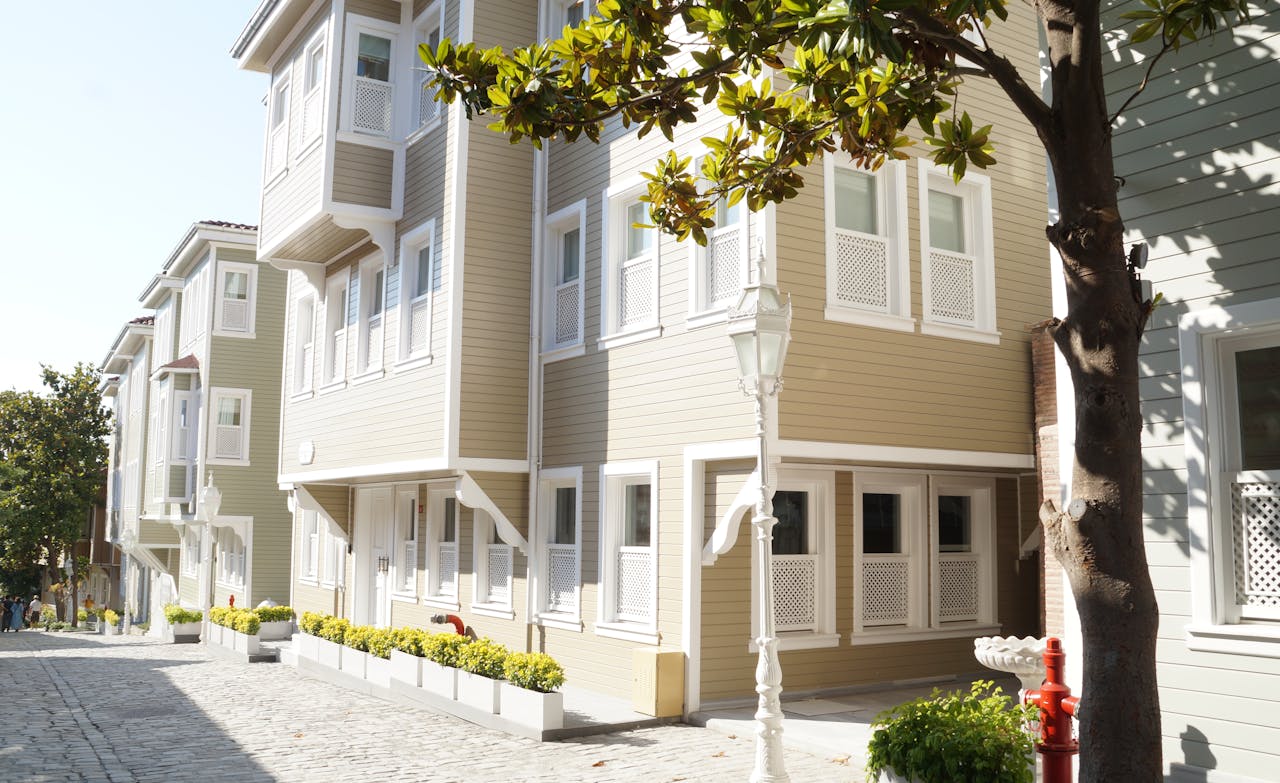
A senior’s housing reality in the East Bay area is daunting, primarily due to pricing, scarcity, and shifting populations. As you consider your options for aging in place or relocating to a bay area retirement community, you must examine carefully the local market, neighborhood alternatives, and niche housing concepts. These factors inform how you carve out your independence, remain connected, and keep expenses in check in an area where the median sale price on a single-family home is approximately $1,250,000.
Downsizing Challenges
Moving out of a longtime home is more than a logistical decision; it’s an emotional one. Most seniors are deeply attached to their houses, where family memories and routines have accumulated for decades. Releasing these bonds can ignite pain, fear, and doubt, especially when considering the perfect retirement location in the Bay Area. You’re concerned about abandoning a familiar neighborhood, and these emotional obstacles are very real.
Downsizing is often a logistics nightmare. Coordinating a move is not something that can be done on the fly, particularly in the bustling Bay Area cities. You may need to hire movers experienced with seniors, sift through decades of possessions, and coordinate storage or sale of what you’re unable to take. Navigating this can be overwhelming to tackle alone.
As anyone with real estate experience in the Bay Area knows, downsizing leads to lower living costs. By moving to a fantastic East Bay area retirement community, you could save on utilities, maintenance, and taxes. However, you must account for moving costs, realtor fees, and any renovating that may be needed at your new place. Considering these expenses ensures you don’t get caught off guard and possibly miss out on some savings.
Specialized local resources can assist you in navigating these housing realities. There are many East Bay retirement community options that provide services for seniors planning, packing, and moving. Accessing these services could not only ease your transition load but also lessen stress during this significant life change.
Accessibility Features
Getting the right accessibility in your housing is essential if you are a mobility patient. Search for no-step entries, wide doorways, and open floor plans. These characteristics enable you to move around freely, operate assistive devices as necessary, and prevent accidents.
Most East Bay communities provide one-story living. Such designs help you skip the stairs and make everyday things more secure. Wheelchair-friendly designs, wider hallways, lever-style handles, and others make it more comfortable and independent.
Location, location, location! You want to be close to stores, doctors, and public services. With insufficient public transit and an increasing senior population, proximity to these assets fuels your autonomy and minimizes your dependence on extended commutes.
Safety is a requirement. Seek out homes with grab bars, non-slip floors and good lighting. These features assist in fall prevention, a top cause of injury as people age.
Community Living
East Bay retirement communities offer much more than just housing options; they provide a vibrant retirement lifestyle that encourages you to stay active, social, and engaged. Being surrounded by peers helps alleviate isolation, a serious issue for older adults who may become housebound due to mobility loss or lack of reliable transportation options. In the fantastic East Bay area retirement community, amenities range from gyms and communal dining to gardens and health initiatives, ensuring you remain well-connected even if you don’t drive or travel far.
In the diverse neighborhoods of the East Bay region, you can find activities that align with your interests and lifestyle. From art classes to tech workshops, community activities come in various forms, keeping you engaged and providing structure to your day while allowing you to forge new friendships. For many residents, this social purpose is as vital as the living space itself.
Art classes to tech workshops – community activities come in all forms. These programs keep you engaged, provide your days with structure, and allow you to make new friends. For a lot of them, this purpose is as crucial as the space.
Overall, the Bay Area retirement communities are ideal places for retirees seeking a fulfilling lifestyle, offering a range of attractive amenities and a supportive environment that enhances the retirement experience.
Accessing Senior Healthcare
Access to dependable healthcare is among the top considerations you must balance when making a decision to age in place in the East Bay area or consider other locales. With the Bay Area’s senior population increasing by 48% between 2010 and 2019 and the world on track to have 2.1 billion people aged 60 and over by 2050, the need for solid healthcare infrastructure is accelerating. The East Bay region is a hotbed of hospitals and clinics, making it a popular retirement destination. Destination hospitals such as Alta Bates Summit Medical Center, John Muir Health, and Kaiser Permanente Oakland Medical Center cover a large radius and provide a variety of services ranging from geriatric medicine to rehab. Certain clinics and urgent care centers specialize in senior health, ranging from checkups to advanced care. Yet, even with this coverage, your access to these services can be influenced by transportation availability, insurance coverage, and financial preparedness. Many seniors say public transportation isn’t always sufficient, particularly if you’re a wheelchair or walker user, so some turn to ride-sharing platforms, taxis, or paratransit to arrive at appointments.
Specialized Care
Senior healthcare resources in the East Bay area span the spectrum, from chronic disease to advanced dementia and specialized care facilities. Several centers, particularly in the bay area retirement community, provide memory care programs for individuals with Alzheimer’s and other cognitive impairments as well as physical and occupational therapy for those recovering from injury or stroke. Good places will build care plans around you, so services suit what you require, not just what’s typical. Reputation counts; seek out centers with top satisfaction ratings and certification from reputable organizations. Personalization and flexible plans are key because your needs can change fast.
Wellness Programs
Wellness programs abound in the East Bay area, where senior centers, gyms, and community organizations offer a variety of activities. Several of these programs provide group fitness classes, nutritional seminars, and meditation workshops, all designed to assist retirees in remaining active, maintaining a healthy diet, and controlling stress. Many senior centers feature walking clubs, yoga, and strength training, making it easier for residents to stay on top of their health in a social setting. Community activities, from art to lectures, promote mental health and connect you with others, enhancing the overall retirement lifestyle for seniors in this fantastic area.
In-Home Support
If you’re looking to age in place, in-home support is key, especially for those considering a bay area retirement community. There are lots of home care agencies in the East Bay that assist with bathing, meals, light cleaning, and more. Certain services are medical, such as wound care or medication management, while others lean more into companionship or assist you in maintaining connections. These providers can customize their assistance to your timing and preferences, simplifying and securing life at home. Home care is another component of the retirement lifestyle. Accessing assistance with fix-ups, hygiene, or landscaping can keep your home secure and pleasant, so you don’t undergo a relocation simply because the maintenance becomes too burdensome.
Mobility Without A Car
Car-Free in the East Bay Living in the East Bay without a car is possible, due to a system of public and community-based transportation. Seniors have a combination of trains, buses, shuttles, and even walkable neighborhoods to sustain their day-to-day life and independence. You can get to healthcare, shopping, and social activities without private cars, so it’s a very practical region in which to age in place.
Public Transit
BART serves as the backbone of regional transit, connecting the East Bay area with San Francisco, Oakland, and other major hubs. Its frequent trains, level boarding platforms, and clear signage ensure accessibility for seniors, including those using walkers and wheelchairs. Many BART stations are conveniently located near strip malls, medical clinics, and community resources, making it easier for residents of the bay area retirement community to run errands and attend appointments without hassle.
Local bus systems like AC Transit cover the majority of neighborhoods in the East Bay region. These buses feature low-floor entry and senior priority seating, linking mobility users to essential services such as grocery stores, hospitals, and libraries. While reliability can vary, many routes operate on a regular schedule, especially on trunk lines. For seniors, familiarizing themselves with the main bus routes and transfer stops can enhance efficiency and reduce waiting times.
BART and AC Transit schedules and maps can be found online and in print. Several seniors told us that they found it useful to plan their routes ahead of time, taking into consideration travel times and possible delays. Community groups and neighborhood associations frequently pass along tips and updates about service changes, keeping you in the know. Your involvement in meetings or surveys can impact how transit agencies meet senior needs, like more benches at stops or safer crosswalks.
Senior Shuttles
Specialized senior shuttles supplement the regular transit system. These mini-buses or vans offer point-to-point rides to local points of interest such as malls, clinics, and community centers. Our shuttles are comfortable, wheelchair accessible, and we provide assistance in boarding and disembarking. Most are administered by city governments or non-profits, and some are strictly by reservation.
These services eliminate the hassle of intricate trip planning and multi-line transfers. Shuttle-using seniors fare better with access to important places and social occasions. Not all neighborhoods are equally well served and it is worth looking at local council or senior center websites for details.
Schedules may be limited on weekdays during business hours. Knowing their booking process and frequency helps you maximize these services’ value. We maintain independence when you have ways that are predictable, safe, and affordable to get to key places.
Walkable Hubs
Certain neighborhoods in the East Bay area, like downtown Berkeley or sections of Alameda, are walkable. With wide sidewalks and a dense mix of shops, restaurants, and parks, seniors can easily address daily needs without relying on a car. Living in a walkable hub not only cuts down on transportation expenses but also fosters a sense of community, making it an ideal place for retirees.
Safe, well-lit streets and routine maintenance are essential for active seniors. City planners and advocacy groups often collaborate on projects to improve accessibility, such as curb ramps and new crosswalks. These enhancements benefit all users, particularly those in the bay area retirement communities who may struggle with heavy traffic or broken sidewalks.
Neighborhood walking groups provide a structured way to stay fit and socialize with neighbors. Social walks, fitness classes, and local events are usually within walking distance, making the retirement lifestyle more engaging and community-oriented, which eases the transition to a carless way of living.
The Unspoken Realities
Growing older at home in the East Bay area means confronting a duo of advance and suffering. As the region’s pace of change accelerates, so do the challenges — particularly for seniors who can get left behind. We would do well to sift through these realities with a keen glare as we think about how technology divides, local policies, and social change impact the everyday lives of older adults. These issues of community, inclusion, and affordability are not just local concerns; they resonate globally, especially in popular retirement communities across the bay area.
Pace Of Change
Fast growth in East Bay cities can change your footing. New buildings and businesses demonstrate economic energy and drive up housing prices, particularly affecting seniors on a fixed income. As property values escalate, reasonable houses become scarce, impacting the retirement lifestyle for many. Gentrification brings better services but often at a cost that can push seniors out or make rent unmanageable.
When your neighborhood changes, your stomping grounds can vanish. Seniors might lose lifelong friends or trusted service providers. New neighborhoods may lack accessible features, and public transportation options can be inadequate, with many lines missing important stops or operating on inconvenient schedules. Even basic errands, like picking up groceries or attending a doctor’s appointment, can become significant challenges for retirees.
Flexible, adaptable living is crucial in this shifting landscape. You may need to seek out homes in a bay area retirement community that offer ramps or elevators and assistance with errands. Group advocacy is essential; when seniors and advocates raise their voices at planning meetings, they advocate for age-friendly spaces, reminding planners that progress shouldn’t come at their expense.
Digital Divide
It transforms where you seek assistance, access support and cultivate wellness. For many seniors, the web isn’t accessible or even attainable. No device, slow or expensive service, and unfamiliar software can leave you out. This “digital disconnect” can cause you to miss important news, medical care or human connection.
Digital literacy initiatives do assist. They are most effective when community organizations provide in-person workshops and supportive mentoring. If you’re new to tech, one thing at a time learning makes sense. Libraries and senior centers can step up with free wifi and workshops. Nonprofits providing home tech visits fill the gap for those who can’t get there. Improved online access leads to increased opportunities to be well, be secure, and be less isolated.
Local Policies
Such policies determine the nature of aging in place, especially in popular retirement communities like those in the east bay area. You really have to understand how local regulations impact housing and care. Zoning laws will dictate where new senior housing will be allowed to go, and if they’re tight, affordable choices in the bay area retirement community options disappear. Seniors need to speak with leaders, get on community boards, and attend city meetings. The more you participate, the more your requirements become audible.
Healthcare policy is crucial for retirees. When funding falls or clinics close, access to care becomes more difficult, particularly in the san francisco bay area. Some seniors forego checkups or meds because services lie beyond their reach. When you do, advocate for more resources and increased access. A lot of seniors won’t request assistance, which only compounds the issue. With the senior population skyrocketing by 2040, now is the moment to demand real, enduring transformation.
Balancing Your Budget
Aging in place in the East Bay area means balancing your budget with your future safety. Each decision you make today can significantly impact your ease and security in the future. It’s crucial to consider the big picture: housing options, day-to-day expenses, healthcare, and the support networks available to you. With a plan in place, you’re prepared and can avoid surprises, allowing you to enjoy your retirement lifestyle more assuredly. If you’re a retiree on a fixed income, there are several local programs that can assist you in this fantastic east bay area retirement community.
- Supplemental Security Income (SSI) provides you with monthly payments if you fulfill low income criteria.
- Medicaid pays for healthcare that is not covered by Medicare, which reduces out-of-pocket costs.
- LIHEAP is there for utility bills, particularly during those high-use months.
- SNAP provides grocery funds that can relieve tension at the grocery store.
- Nonprofits may provide grants or one-time assistance for necessities or emergency costs.
- A lot of the East Bay cities have rent or utility relief programs for seniors.
It’s smart to compare living expenses across neighborhoods in the bay area cities. Certain districts such as Oakland’s Fruitvale or San Leandro enjoy comparatively low rents and less expensive groceries than more posh neighborhoods like Berkeley Hills or Rockridge. Check out local property taxes, which can hold steady under specific propositions. Although California’s marginal tax rate is high, it applies primarily to income. Not all income is taxable, such as social security, and capital gains might not be taxed if they occur after a spouse passes away. With smart planning, you can discover affordable pockets with great support and healthcare available.
Housing Costs
- Contrast upfront costs, maintenance, insurance, and taxes with buying to the freedom and responsibility of renting.
- Consider the advantages of fixed property taxes, which are available with local propositions, versus increasing rents.
- Think about legal and estate fees associated with home ownership, particularly if you intend to bequeath property to heirs.
Buying a home in the bay area can seem like a safe bet, especially as East Bay real estate values frequently appreciate. While the initial costs are greater and maintenance can eat at your budget, investing in a bay area retirement community can provide long-term benefits. Rent offers less responsibility and flexibility, but it may come with rising costs and restrictions on personalizing the space. For retirees, considering cheap projects or senior co-housing can reduce costs while still fostering community.
Daily Expenses
Figure out your monthly budget by enumerating groceries, utilities, and transport. Small cuts like meal planning, bulk shopping, or public transport can really add up.
A lot of shops and vendors have senior discounts or loyalty programs. Local transit agencies occasionally provide senior discounts. Keep tabs on your expenditures every month and tweak your budget as prices fluctuate. Saving a bit each month for emergencies or repairs makes these surprise expenses manageable.
Senior Discounts
- Senior centers, public libraries, community clinics and food banks offer additional savings.
- Nonprofit legal services can assist with estate planning and public benefit claims.
- A lot of cities have senior resource centers with free classes and workshops.
Request senior discounts when you dine, shop, or travel in the bay area retirement community, as you’d be surprised how frequently you qualify. Community centers and libraries in the east bay area can be key sources of up-to-date information about local aid.
Conclusion
Where you decide to age sets the tone for your day-to-day existence. In the East Bay, you get walkable streets, incredible health care and an eclectic, diverse mix of neighbors. A lot of people here have been living close to shops, parks and clinics. You can take public transit or get a lift from your buddies. Occasionally you have days that just blow your budget, but a lot of people manage to trim expenses or trade assistance. For others, the pace and price are appropriate. Others seek less stress or lower rent elsewhere. What you do next depends on what’s important to you. NEED MORE TIPS OR STORIES FROM LOCALS? See our blog or join the conversation. Your story counts and you decide what’s next.
Frequently Asked Questions
1. Is The East Bay A Good Place For Seniors To Age In Place?
Absolutely, the East Bay area is filled with resources, great healthcare, and a vibrant community, making it a fantastic area for retirees. You should balance local expenses, access to reliable transportation options, and your individual requirements first.
2. How Affordable Is Housing For Seniors In The East Bay?
East Bay housing costs can be high, making it essential to explore affordable options like shared housing or government-supported programs. This is especially true for those considering a retirement lifestyle in the fantastic East Bay area.
3. What Healthcare Facilities Are Available For Seniors In The East Bay?
The East Bay area boasts many hospitals and clinics specializing in senior care, providing reliable transportation options and supporting services for retirees and senior citizens.
4. Can You Get Around The East Bay Without A Car?
Yes, there are reliable transportation options available, including buses and trains, ensuring mobility for retirees in the bay area.
5. Are There Social Activities For Seniors In The East Bay?
They have plenty of community centers, clubs, and events for seniors, making this a fantastic east bay area retirement community to keep you active and plugged in.
6. What Are Some Challenges Seniors Face In The East Bay?
High prices and traffic are common in bay area cities, along with some not-so-walkable neighborhoods.
7. Should You Move Elsewhere Or Stay In The East Bay As You Age?
It really depends on your needs and budget. If community and services are important to you, then a fantastic East Bay area retirement community may work. If price or mobility is an issue, you will want to explore other choices.
Thinking About Life In The East Bay? Sexton Group Real Estate Can Help You Feel Right At Home
If you’re drawn to the East Bay lifestyle, Sexton Group Real Estate | Property Management is ready to help you settle into a community that feels like the perfect fit. With offices in Berkeley, Oakland, and Lafayette, our team knows how each neighborhood ticks, from lively city streets to calm, family-friendly pockets with a true sense of community.
For more than 25 years, our agents have helped buyers connect with the East Bay way of life. Maybe you want weekend farmers markets, great food, and walkable downtown energy. Maybe you’re looking for parks, good schools, and a tight-knit neighborhood feel. Whatever your vision, we’ll help you match it with the right home and community.
You’ll get clear guidance from start to finish. This includes early planning, local insights, touring neighborhoods that match your lifestyle, and confident support through offers and closing. We keep the process simple and enjoyable so you feel excited, not stressed.
Ready to picture your life here?
Contact us for a free homebuyer consultation. Sexton Group Real Estate | Property Management is here to help you find your place in the East Bay.