
April 11, 2026 | Sexton Real Estate Group
Key Takeaways
- You can optimize your home’s efficiency by selecting furniture that serves multiple purposes and incorporating built-in storage to minimize mess and increase order.
- Smart modular pieces and wall-mounted designs help you keep your rooms clear and adapt your space for maximum utility.
- You can emphasize vertical space with tall cabinets, high shelves, and hanging racks that pull the eye up and add storage without sacrificing floor space.
- By choosing multi-functional furniture and decorative storage, you’re guaranteeing that everything in your home is pulling double duty.
- Clever lighting, mirrors, and using light colors can trick the eye into thinking there’s more space. Layered lighting brings warmth and dimension.
- By embracing smart technology, outdoor living spaces, and your home’s unique architectural character, you can stretch functionality and create a peaceful, customized oasis.
Here’s how to make more room in a smaller East Bay home – smart storage, simple layouts, and light colors. Ceiling-high shelves, beds with drawers, and fold-out desks all help liberate floor space. Light paint or mirrors make rooms feel wider. Moving big pieces out and choosing simple furniture can provide you with more space to breathe. Open shelves in the kitchen or bath work quite well for small homes. Select furniture that suits the room, not just the design. Keep walkways open and clear for a cleaner look. Here are some things you can do to open up a smaller East Bay home and make it feel easy to live in. Next, we’ll display some field-tested techniques that work in East Bay homes.
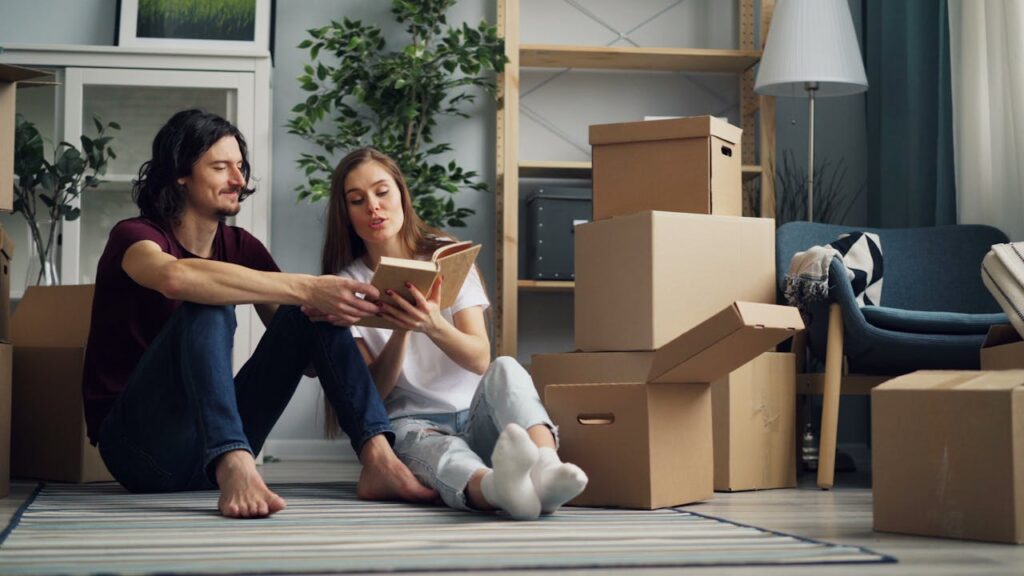
Strategic Space Creation Techniques
A tiny home, particularly in a crowded Bay Area, requires strategic space creation. By utilizing multipurpose furniture and efficient layouts, you can impart a sense of spaciousness, fluidity, and efficiency into your living spaces. Here are key approaches for maximizing valuable floor space in compact homes.
- Deploy strategic space creation techniques, like Murphy beds, storage ottomans, and convertible desks.
- Add built-in shelves, cabinets, and under-bed storage to get rid of clutter.
- Arrange furniture to create clear pathways and flexible layouts.
- Add vertical elements to draw the eye upward and provide storage.
- Employ light colors, mirrors, and layered lighting to maximize openness.
- Define separate activity areas with rugs, lighting, or furniture.
1. Smart Layouts
Smart floor plans are a must for small houses, especially when considering efficient layouts. Open pathways and easy access should be your priority! Keeping sofas and chairs off doorways and away from blocking windows is essential. Modular furniture, including multipurpose furniture, allows you to create space for work, rest, or entertaining when needed. Think of corner drawers to make use of inaccessible areas and wall-mounted shelves to free up valuable floor space. Creating mini work areas, like a reading nook with a little rug and lamp, helps you utilize every space in your home effectively.
2. Vertical Thinking
We all know to use tall cabinets and bookcases to maximize vertical space in a small space. Tall storage lifts the eyes and can make ceilings seem higher. Incorporating multipurpose furniture, like leggy chairs or tables, allows light to flow beneath them, making rooms feel more spacious. High shelves not only conveniently tuck away less-frequently used items but also provide the opportunity to showcase art or plants without sacrificing valuable floor space. Even bay windows assist by bringing in additional light and opening up sightlines, enhancing the overall design of a bay area home.
3. Dual-Purpose Design
In tiny houses, every piece of furniture needs to pull double duty, making multipurpose furniture essential. A storage coffee table or an open bench can stow away blankets or books efficiently. A daybed in the living room serves as a sofa by day and a guest bed at night, maximizing valuable floor space. Folding or extendable dining tables allow you to entertain friends while remaining compact for everyday life. Thoughtful lighting solutions and stylish baskets can further enhance your cozy space, providing smart remodeling strategies as requirements change.
4. Integrated Storage
Custom built-in cabinets merge with your home’s style and add valuable floor space without filling the room. Utilize under-bed drawers for your clothing or linens, or consider a Murphy bed to maximize functionality in small spaces. Stairs might conceal pull-out cabinets, utilizing every centimeter, while built-in nooks for books, plants, or artwork add visual interest and keep surfaces clear. Smart storage solutions keep daily life flowing and your space less chaotic.
5. Light And Illusion
Make the most of light with sheer curtains and clear bay windows to enhance the spacious feel of your small space. Light wall paint enlarges spaces, while mirrors bounce light and expand perspectives. Positioning mirrors adjacent to windows can multiply sunlight, creating a cozy space. Layered lighting, including overhead, task, and accent, injects depth and warmth, making good design choices for small bedrooms.
Rethink Your Kitchen Space
Getting a tiny kitchen to work for you is all about clever design and selective decisions. With the right layout, storage, and materials, you can help your kitchen feel bigger and work better, even when square meters are tight. Here are a few time-tested tips to open up your space and simplify your daily grind.
A kitchen’s layout defines how much you can accomplish in it. Different layouts work for different needs, the primary ones being galley, L-shape, U-shape, and single-wall. Both have advantages and compromises. For instance, a galley kitchen puts everything within arm’s reach and utilizes wall space for storage, whereas an L-shape opens up a corner for a dining nook or window seat, which can double as storage. Here’s a quick look at the most common layouts and their features:
| Layout Type | Features | Best For |
| Galley | Parallel counters are efficient, good for narrow spaces | Max storage, small kitchens |
| L-Shaped | Open corner, easy work triangle, open sight lines | Adding dining, more openness |
| U-Shaped | Three walls of cabinets, lots of storage | Maximizing storage, compact use |
| Single-Wall | All appliances/cabinets on one wall, open floor space | Minimalist, open-plan homes |
In small kitchens, every inch is precious. Open shelving allows you to reduce clutter and makes the space feel less closed in. By using open shelves to display your plates, glasses, or cookware, you gain storage and personality. It keeps your counters clear, which fools the eye into perceiving additional space and allows any accent pieces to pop. For a lighter feel, shelves combined with two-sided glass cabinet doors allow light to flow through, making the kitchen appear larger and more luminous.
Choosing the right appliances is another important step. Compact models, such as slim fridges, two-burner cooktops, or smaller dishwashers, save floor and counter space while still accomplishing the task. Miniature appliances, like faucets crafted for tiny sinks or sleek, low-profile range hoods, offer you utility without cramping the space. Double-duty appliances, such as a microwave that is also a convection oven, allow you to maximize your space.
A pull-out-shelf pantry is a must in small kitchens. Tall, narrow cabinets with sliding shelves allow you to store more, and you can access and view everything without rummaging through crowded shelves. Its design keeps your basics close by, and it prevents you from overstuffing your cabinets or counters. It’s a smart way to combat clutter and maintain an easy-to-use kitchen.
Where you put your cabinets matters a lot. Opt for lighter-hued cabinets and backsplashes, such as white ceramic tile, which reflect and bounce light around the room. This opens up a tiny space. Positioning cabinets so they don’t block windows or sight lines prevents the space from feeling claustrophobic. You can incorporate a small window seat or slender stools for dining or working, options that satisfy needs with a minimal footprint.
Embrace East Bay Architecture
Smaller East Bay homes have that beautiful East Bay mix of modern and classic, where every square inch counts. In these tightly packed communities, the emphasis becomes how you can use brilliant design to extract more from modest-sized floor plans. The region’s vibrant culture and breathtaking landscape influence houses that appreciate sleek lines, sunlight, and intelligent storage solutions. By focusing on these details, you can make your home feel expansive and luminous, even if your square footage is limited.
Vaulted ceilings and East Bay architecture go hand in hand. They assist you in utilizing the vertical space that would be potentially wasted. Raising the ceiling can make a tiny room feel bigger because it pulls your eyes upwards. If your home doesn’t have that full vaulted ceiling type of architecture, you can use simple East Bay tricks like exposed beams or higher door frames to achieve the same feel. Vertical shelves, towering bookcases, and multipurpose furniture add visual height. These touches make your home feel more airy, which is a blessing in smaller rooms.
Big windows, of course, weren’t simply about bathing interiors in sunlight; they were fundamental to marrying indoor space with nature outside. Natural light makes spaces look larger and lighter. Bay area architects love wide glass windows or sliding doors that open to a garden, patio, or balcony. You could encounter small accessory windows above primary windows, a tactic employed to satisfy energy code requirements while permitting more daylight. Embrace East Bay architecture by incorporating expansive windows in your living room, kitchen, or small bedroom. You can take advantage of the views and truly integrate your living space with nature. If privacy worries you, try frosted glass or landscaping to block sight lines but not the sun.
East Bay homes run the gamut in style, from traditional craftsman to ultra-modern. This allows you a great deal of flexibility when selecting design specifics. Clean lines, neutral paint colors, and simple trim make small spaces feel less crowded. For continuity, paint your walls and trim the same light color and choose flooring such as wide plank wood or large format tile. Go for furniture choices with storage, such as ottomans or drawer beds. Fold-out beds and expandable tables are in vogue, allowing you to switch up the room’s functionality depending on your needs. Built-ins and custom shelving are everywhere, particularly in homes built on tight infill lots where every centimeter counts. These solutions simplify life and keep your home clutter-free.
Patios and balconies are not just luxury extras — they’re true extensions of your living space. By adding a small table, a couple of chairs, or a bench, you transform these nooks into areas for dining, working, or relaxing. Sliding or French doors aid that flow from inside to out. If you live in the East Bay, you can utilize these spaces much of the year. Little touches, such as potted plants or rugs, really make patios and balconies feel like an inviting place to hang out. Consider these spaces not as supplemental, but as essential components of your home’s floor plan, providing you with additional flexibility when it comes to hosting or kicking back.
The Psychology Of Space
How you design your home has the power to affect all aspects of your life, from your morning mood to your productivity. Small space design isn’t just about squeezing things in; it’s about creating a cozy space that supports your mood and health. A home with the right light, smart layout, and effective design can relieve daily stress, energize you, and help you work or sleep more effectively. The right space can raise your energy, provide solace, and inspire your excellence.
Create A Checklist To Provide Tips For Creating A Serene Environment Within Your Space.
Begin by creating a checklist of what you want to feel in your cozy space. Record what soothes you, like gentle illumination, secluded nooks, and dedicated spaces for each activity of the day, along with mementos of fond memories. Ensure your rooms receive adequate daylight, as sunshine fosters a brighter mood and supports your body’s circadian rhythm. List what you want around, such as plants and books, and what you can put aside to keep rooms tidy. This easy ritual not only keeps your space serene but also enhances valuable floor space, maintaining a peaceful mind.
Use Calming Colors And Minimal Decor To Create A Serene Environment That Feels Larger.
Choose soft, light colors for the walls — soft gray, white, or pale blue. These colors mirror daylight and help a room appear larger, especially in a small space. Stay away from bold, busy patterns that can crowd the eye. Keep your decor simple and airy by selecting several nice pieces instead of cramming the room with stuff. For example, a solitary framed print or a small plant on a table can create a calm mood without cluttering the room. Use multifunctional furniture or hidden storage to stow what you don’t use daily, allowing your mind to unwind and savor the space.
Incorporate Personal Touches That Reflect Your Style While Maintaining A Clutter-Free Space.
Include what means something to you, keeping it sparse while utilizing multipurpose furniture. Maybe it’s a handmade bowl, a favorite photo, or a cushion in a favorite color. Have every piece speak a memory or evoke a good feeling. Put these in obvious locations, don’t tuck them away in drawers, so you can gaze at them and be at home. If you change out your decor with the seasons or occasions, you can maintain your small space feeling fresh and personalized without overwhelming shelves or tables.
Create Zones Within Rooms To Define Purpose And Enhance Functionality.
Every section of your house needs to have a function, especially in a small space. Set a little table by the window for reading or work, and let a low shelf delineate a play area or exercise nook. With rugs, lighting, or multifunctional furniture, create soft borders between zones. For instance, a rug can identify a place to unwind, and a lamp can illuminate a workspace. Open floor plans assist you in moving with ease and make rooms feel more spacious. Zoning allows you to do each activity right,t and it molds your space to your lifestyle. If you cohabitate, clear zones assist everyone in understanding where to focus, rest, or meet.
Integrate Smart Technology
Incorporate smart technology into your small space. Smart tech can transform the way you use every square metre of your home. When you integrate smart tech into your space, you receive more than the sleek aesthetics; you gain comfort, security, and convenience every day while maintaining a sleek, on-trend home. The use of multipurpose furniture enhances this experience by providing versatile design options that maximize utility.
- Smart lighting systems: With app-controlled lights, you can change brightness or color from your phone. Motion sensors illuminate exactly where you require, conserving energy and keeping rooms clear of cumbersome switches and floor lamps.
- Smart thermostats: Devices like these learn your habits. You have the optimal temperature whenever you’re home or not. Seniors are now approximately 40% of smart thermostat users, underscoring the user-friendliness of these tools.
- Smart security systems: Modern cameras and doorbells can spot faces and tell you who is at your door. This not only adds a layer of security but also aids with peace of mind, even in a tiny apartment.
- Voice assistants and smart hubs: With a single voice command, you can play music, dim lights, or lock doors. It keeps your hands free and your space clear.
- Wireless speakers and hidden audio: Instead of big speakers, you can use small, hidden ones in walls or ceilings. It keeps your rooms clear.
- Smart plugs and outlets: These let you control any device from your phone, cutting off power to what you do not use.
Controlling light and temperature via apps provides an effortless way to make a small home feel big. Set a mood for work, idleness, or guests with a simple tap. Smart lighting means you don’t need as many lamps or cords, and smart thermostats adapt to your routine, conserving energy and maintaining comfort throughout the day. These systems are connected to the Internet and operate autonomously after initial setup, meaning you don’t have to constantly adjust anything.
Smart furniture that adapts to your life is essential, especially in a Bay Area home where space is at a premium. Standing desks go up to work and down to relax with the push of a button or a voice command. Convertible sofas become beds or storage spaces, utilizing robust yet lightweight frames. These pieces assist you in utilizing your space for multiple purposes, which is crucial in a more compact home.
Wireless charging stations are a microcosm of this principle, hiding phone and device cords to make your home feel uncluttered and spacious. These stations can be integrated into tables or desks, so you don’t consume valuable floor space or disrupt the aesthetic of your rooms.
Smart home devices are a no-brainer because they can increase your home’s value. Buyers are willing to pay more for smart homes, with 72% of millennials prepared to invest an additional $1,500 or more for enhancements. The industry is expanding rapidly, at approximately 31% annually since 2016, and senior homeowners are embracing it too. These gadgets aren’t a fad—they’re becoming an essential part of living, seamlessly integrating into any interior with options such as voice-controlled shades and concealed speakers.

Expand Your Living Outdoors
There’s untapped potential in the outdoor space around your home to make a small home feel bigger. Thoughtfully planned, it moves from an afterthought to an extension of your living space. Whether for downtime, dining, or entertaining friends, it makes your interior space feel less cramped.
Begin by molding your outdoor space to your actual needs. Determine if you want a nook for dining, reading, entertaining, or just serenity. Once you have your plan down, you know what to select for furniture and décor and how to arrange it. A patio table and foldable chairs, for instance, can transform a small yard or balcony into a dinner or work venue. Store-opening benches or small folding tables can be space-saving and neat. That is how you make your outdoor area work for you, not against you.
So next, consider how to lounge out comfortably! Good seats count even more when the room is cramped. Throw in some weather-holding cushions and light chairs you can move or stack. A built-in bench set along a wall takes advantage of corners and opens up floor space. If you entertain, furniture that stores away or moves easily allows you to switch up the arrangement quickly.
Greenery provides tranquility and breathes life into a space. Even in a modest space, you can employ vertical gardens or hang planters on a wall or fence. These systems allow you to cultivate herbs, flowers, or even small fruits while keeping a majority of the soil free. Living walls, trellises, and tall screens do the same. They pull your eye upwards, helping a place seem larger than it really is. This contributes to privacy if you’re in a close-knit neighborhood.
Rugs and lights create an atmosphere outdoors, just like indoors. Outdoor rugs can define where to sit or walk and add color without a ton of expense or effort. For evenings, warm string lights, small lamps, or solar lanterns make the space feel cozy and secure. Use minimal lighting as much as you need to see, but not so much that you lose the stars or upset your neighbors. If you want to block out city sounds, a small fountain or pond can add calm and mask noise. These water features do not require a lot of space but can alter the ambiance of your space.
Doing things like adding a pergola or a little shelter can give you more bang for your outdoor space. These provide shade and keep the rain off, allowing you to enjoy your space for more months of the year. If you swap out your furniture, plants, or decorations seasonally, your outdoor space remains fresh and new.
Conclusion
East Bay small homes demand clever usage of every meter. Declutter! Clear out what you don’t need. Put shelves or hooks on the walls. Choose pieces that serve multiple purposes. Blow open the kitchen with glass or lighter colors. Maintain old house charm with clean lines and bright light. Use small tech to make more room and reduce clutter. Let patios and yards pull double duty as extra rooms. These tricks get you more into less square footage. You get more light, calm, and order in your home. To discover what works for your needs, observe your space, give a new idea a try, and experience the difference. Post your wins and tips in the comments.
Frequently Asked Questions
1. How Can You Make A Small East Bay Home Feel Larger?
Light colors, mirrors, and multipurpose furniture are essential in small spaces. By eliminating visual clutter and opting for clean silhouettes, you can create a cozy space that feels bigger and more inviting.
2. What Are Some Kitchen Space-Saving Ideas For Small Homes?
Utilizing wall-mounted shelves and multipurpose furniture, along with pull-out cabinets and compact appliances, can help maximize your kitchen’s functionality in small spaces.
3. How Does East Bay Architecture Influence Space Solutions?
East Bay homes feature unique layouts; by embracing open floor plans and incorporating multipurpose furniture, you can effectively utilize valuable floor space while highlighting natural light.
4. Can Smart Technology Help Save Space In A Small Home?
Indeed, genius gadgets like multipurpose furniture, remote-controlled lights, and mini appliances minimize mess and maximize valuable floor space in your small home.
5. How Can Outdoor Areas Add More Living Space?
Transform your small balcony, patio, or garden into additional living space by incorporating multifunctional furniture, thoughtful lighting solutions, and cozy seating to enhance usability year-round.
6. Why Does Decluttering Matter For Small East Bay Homes?
Decluttering removes the junk and opens up valuable floor space. It makes your home look neater, feel larger, and enhances your daily quality of life.
7. What Psychological Tricks Make A Home Seem Larger?
Mirrors, light colors, and clear windows are effective design strategies that create an open floor plan, bringing a sense of spacious vibes and calm to your home.
Sexton Group Real Estate | Property Management Helps You Make The Most Of Where You Live
Owning a home in the East Bay isn’t just about the purchase; it’s about how you live in it every day. Sexton Group Real Estate | Property Management helps you turn a house into a space that supports your lifestyle, goals, and long-term plans. With offices in Berkeley, Oakland, and Lafayette, our team understands how different homes and neighborhoods shape the way you live, from vibrant, walkable areas to quiet residential communities.
For more than 25 years, our agents have helped homeowners go beyond buying and start building a lifestyle. Maybe that means creating a space for entertaining, upgrading your home for comfort and efficiency, or choosing a neighborhood that aligns with your daily routine. Whether you’re planning your first home or improving the one you already have, we help you make decisions that add real value to your life.
You’ll get practical, easy-to-follow guidance at every stage. That includes planning your purchase with future improvements in mind, understanding which upgrades make the biggest impact, exploring neighborhoods that match your lifestyle, and making confident decisions that support both comfort and long-term value. We keep things simple, clear, and focused on helping you enjoy your home to the fullest.
Ready to get more out of your home and your lifestyle? Contact us for a free homebuyer consultation. Sexton Group Real Estate | Property Management is here to help you live better in the East Bay.