
February 23, 2026 | Sexton Real Estate Group
New residents can settle into life in the East Bay and build community faster by joining local groups, attending neighborhood events, and using online forums to meet people nearby. We all love the East Bay’s blend of cultures, green spaces, and public services that enable new residents to come together. I’m thinking about how new residents can settle into East Bay life and build community more quickly. Taking public transit and volunteering on projects can make people feel at home in the community. For home workers and those who relocate from a distance, online networks and social apps typically facilitate a smoother initial transition. The following sections provide additional tips to integrate into everyday East Bay life.
Key Takeaways
- As for new residents, how can they settle into life in the East Bay and build community quicker?
- When you engage in community activities, such as volunteering, local events, or recreational clubs, you build connections and create a sense of belonging.
- By discovering diverse neighborhoods and their distinctive vibes, residents can identify locations that resonate with their lifestyle and interests.
- Knowing the East Bay’s microclimates and outdoor access guarantees you can plan your days and playtime better.
- By embracing cultural diversity and attending inclusive events, you’ll make your social experiences richer and break through typical integration obstacles.
- Consider commute options, housing costs, and local amenities to make smart decisions about where to live for a balanced and satisfying experience.
How to Build Community?
East Bay transplants can establish themselves and create connections by engaging in local life within the vibrant Bay Area, targeting both organized and organic avenues of socializing. Strong community roots grow from these small acts over repeated stretches of time and local engagement in the beautiful neighborhoods, not just big gestures.
- Join neighborhood associations for local connections and civic involvement
- Attend workshops or classes to learn and meet people
- Support local businesses and cafes to build rapport
- Participate in activities outside of the house, such as hikes or park clean-ups.
- Show up at local festivals and public events
- Take transit and walk to intersect with others in passing.
- Volunteer with groups that match your interests
- Hang out at community gathering points, such as parks, libraries, and pools.
1. Beyond the Obvious
There are always neighborhood treasures in the San Francisco Bay Area—little parks, quirky food places, and community gardens that serve as impromptu gathering spots. Participating in local sports leagues and hobby clubs can build interest-based friendships, while joining cultural festivals introduces you to new cultures and new people. East Bay-centered social media groups find these under-the-radar events and spaces, along with meetups for everything from books to bike rides, making the bay area lifestyle vibrant and engaging. By pursuing what’s unadvertised, newcomers discover the most hospitable nooks.
2. Hyper-Local First
Concentrating on your nearest blocks accelerates your feeling of belonging. Encountering neighbors at the park, bantering at the corner cafe, or shopping at the local market not only supports small businesses, it results in familiar faces. Plenty of communities have frequent clean-up days; they unite people and leave a distinct, positive impact. These rhythms, more than big parties, help transform passersby into locals.
Certain neighborhoods with top schools and walkable streets always seem to have a tight, family-friendly feeling. Outdoor pools and parks become hotbeds for community and a meeting place for kids and adults.
3. Leverage Your Vocation
For professionals in the San Francisco Bay Area, connecting with neighbors who are colleagues can be a great starter. Attending industry meetups or local conferences surrounds you with work peers and other like-minded locals. Volunteering your expertise, whether in web design, lecturing, or event organizing, to local organizations is another avenue for engagement. East Bay-focused professional associations can expose you to more people and help you get acclimated to the vibrant city life.
4. Embrace Third Places
Cafes, libraries, and community centers in the San Francisco Bay Area are often called “third places,” where you can gather beyond home and work. Hanging out at these locations, even if just reading or having coffee, allows you to run into others in a casual setting. Hosting or participating in events like book swaps or lectures strengthens community bonds and enhances the vibrant city life. These casual meetup spaces are excellent for refueling and networking on your own terms.
5. Volunteer with Purpose
Volunteering is a fast track to significance, especially in the vibrant Bay Area. Choose causes that align with your values, such as animal shelters, food pantries, or park projects in San Francisco or the East Bay. Posting your volunteer efforts on social media can motivate others and create further connections within the local neighborhoods.
Find Your East Bay Vibe
With a patchwork of neighborhoods, the East Bay area each possesses a vibe all its own. Navigating your neighborhoods gets you to your place, your pace, your vibe. The vibrant city life of the East Bay encompasses your vibe – city buzz, hillside quiet, waterfront tranquility – there is a place for everyone!
Urban Energy
DT Oakland and Berkeley provide non-stop urban energy. At the core of Oakland’s heart beats 24 hours a day, featuring local restaurants, galleries, and concert halls on each block. Local markets such as the Oakland Grand Lake Farmers Market and food halls in Berkeley fuse worldly flavors and local fare. Art shows, outdoor concerts, and street festivals populate the calendar and attract folks from all walks of life.
With public transit like the BART and local buses, you can easily make your way between hotspots. This tight mesh enables you to get to events and neighborhoods car-free, which is convenient for transplants. To explore these city centers is to engage a pulse that’s quick, eclectic and ever-evolving.
Suburban Comfort
Families and people who want some extra elbow room tend to gravitate to places like LaMorinda or Adams Point. These neighborhoods have broad streets, parks, and a laid-back pace. The tree-lined streets of Lafayette and Moraga provide kid-approved parks, schools, and community centers with classes and events.
Apartments and single-family homes comprise the housing stock, with a variety of size and price options. Chat with local parents and join neighborhood groups to find out about after-school programs and family get-togethers. These neighborhoods are perfect if you’re looking for a mix of tranquility and camaraderie.
Hillside Retreat
- Quiet streets with less traffic
- Panoramic views of the bay and city skyline
- Access to hiking and biking trails
- Wildlife sightings common in local parks
The hills around Lafayette, Moraga and Orinda are ideal for outdoor aficionados. Discover the East Bay’s massive park system, with more than 490 square kilometers of open space for hiking, biking, or just unwinding. Mild weather most of the year makes these spaces easy to enjoy.
Neighbors are private and nature-loving. Local meet-ups and trail groups will link you. Amenities such as small cafes and outdoor gear stores entice an active crowd.
Waterfront Living
Waterfront neighborhoods offer gorgeous views and convenient access to water activities. Join kayaking groups, try paddleboarding, or kick back at local beaches. Community events on the shore, like open-air movie nights or food festivals, are a typical way to connect with fellow residents.
There are cafes and restaurants with views across the Bay, providing a great place to decompress after work. These neighborhoods, stretching from Jack London Square to the marinas bordering Emeryville, combine a fresh air, active lifestyle with a small-town vibe.
Master Your Daily Rhythm
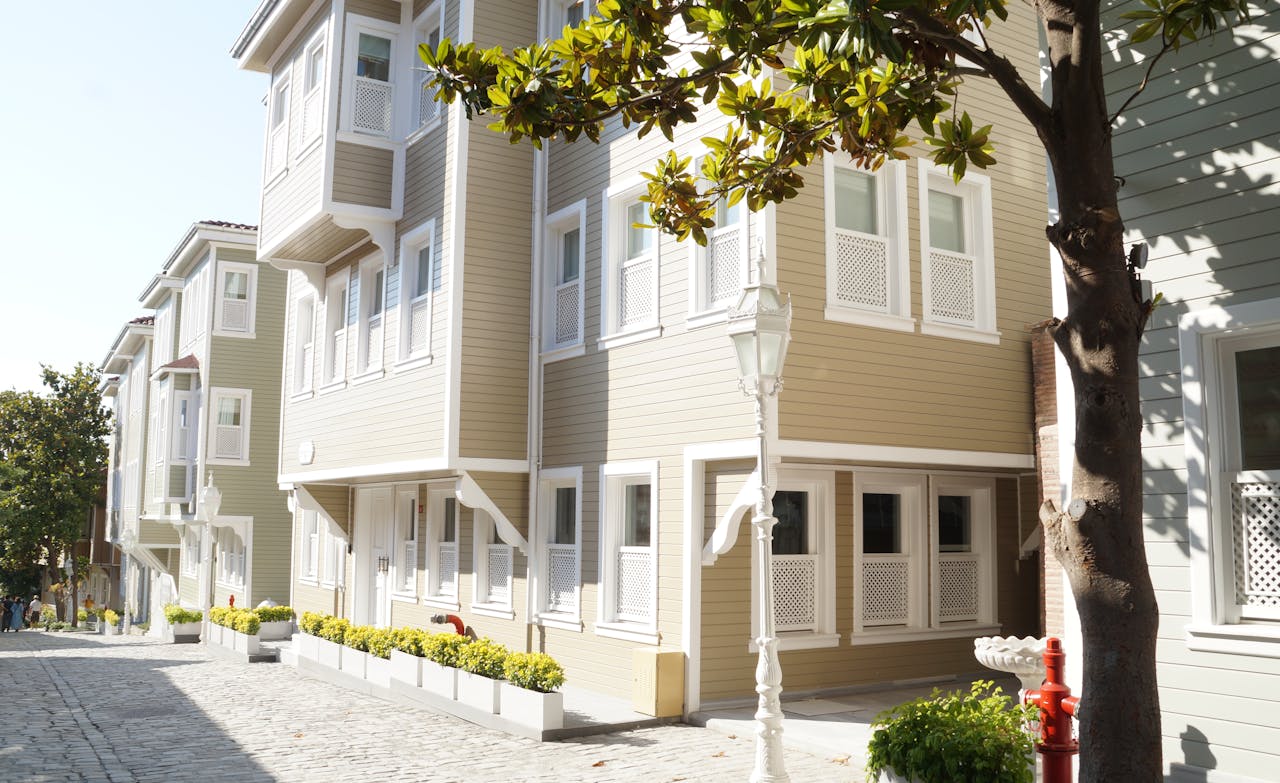
Adapting to East Bay living means embracing the vibrant city life and the beautiful neighborhoods that the San Francisco Bay Area provides. Fresh arrivals can establish a rhythm by taking advantage of local resources, commuting via Bay Area Rapid Transit, and discovering each neighborhood’s distinct beat, crafting their perfect schedule amidst the region’s mix of manic city environments and relaxed suburbs.
The Commute Reality
Learning your commute is essential, especially in the vibrant San Francisco Bay Area. By Master Your Daily Rhythm, BART trains and buses run through many neighborhoods, making it simpler to bypass the worst traffic. Others choose houses near transit stops in the East Bay to reduce their daily commute. For motorists, residing near a big freeway or selecting a less congested path can sidestep the most brutal traffic snarls.
East Bay traffic is a moving target and can vary hour by hour. Checking local updates or travel apps helps plan the ideal moment to leave home or work. It’s fast-paced out here in downtown Oakland, while the suburban towns of LaMorinda or the Lafayette hills allow for a bit more time for peaceful mornings or hikes at sunset.
When choosing a home location in the Bay Area, consider your commute. Shorter trips equal more time for family, friends, or hobbies. Adams Point, for instance, locates parks and playgrounds within minutes, so you can easily be outside after work.
The True Cost
- Housing rent or mortgage
- Utilities (water, gas, electricity, internet)
- Public transport fares or car expenses
- Groceries and daily essentials
- Local taxes and fees
- Health care and insurance
- Childcare and schooling
- Leisure and fitness activities
Neighborhood comparisons count. Others, like Moraga’s shady streets, tend to have more expensive homes with a leisurely pace and lush greens. Downtown might be cheaper but is noisier and has a faster pace. Choosing a location where there are great stores, markets, or clinics nearby can reduce transportation expenses.
Little errands become simpler when you become familiar with the neighborhood stores and services. Taking public transport, walking or biking will help you save as well if you’re in a place where parking is expensive or scarce. Easy habits, such as shopping at local markets or getting involved with local sports clubs, reduce daily expenses while introducing you to new friends and networks.
Overcome Common Hurdles
Nothing like moving to the East Bay Area and adjusting to new routines, new systems, and a vibrant community. Normal life might be different, with microclimates, crazy freeways, and an expensive cost of living typical of the Bay Area. New residents must budget for housing options, which range from $2,100 to $5,100 per month, utilities frequently ranging from $150 to $300 per month, sometimes not included in rent, and groceries. Commutes can be as long as 75 minutes, and the weather can vary even within neighborhood blocks. Most of these challenges are overcome by simply being informed, flexible, and open to community resources.
The “Bay Area Freeze”
We East Bay folks lead busy lives and our interactions tend to be quick and sometimes shallow. A lot of locals fall into a “freeze,” a social reluctance that can turn making new connections difficult. Because everyone tends to hang out with their own camp, it’s often up to the new arrivals to initiate the connection process.
Go to public events — neighborhood cleanups, food festivals, or local workshops. These meetups provide a no pressure path to initiating dialogue. If you are struggling with motivation, set concrete targets, like saying hello to a new person every week or attending a weekly meet-up. Break through the noise with persistence and incremental progress. It’s easy to get discouraged by the slowness of it all. With time, tenacity, and real work, instill confidence and connection.
Finding Your Niche
Begin by seeking out community clubs, sports teams or study groups online or at local centers. There are local towns with volunteer positions advertised, from food banks to ecological work.
Try out several until you identify a group that fits your interests. For instance, if you like hiking, explore some nearby trail groups that meet up during the weekends. Volunteering for causes you care about can provide you with an opportunity to meet people with your values. Don’t be scared to branch out. New activities can expose you to new friends and new connections with your new home.
Navigating Diversity
The East Bay area is a melting pot of cultures, languages, and worldviews, making it a vibrant community for residents and visitors alike. Slow down and explore the customs and legends that define the rich culture of the San Francisco Bay area. Attend cultural fairs, heritage months, and public art events to fully experience the area’s diversity.
Engaging with neighbors from different backgrounds is essential. Community conversations and public forums are accessible to everyone, providing a secure environment for sharing thoughts. Hearing various perspectives fosters empathy and helps you navigate the complex social terrain, making the most of the vibrant city life around you.
Understand the Landscape
Moving to the East Bay area is all about experiencing an interesting cocktail of city, residential, and wilderness elements, from bustling downtowns to tranquil hillside communities and stunning shorelines. Every region, including the vibrant city life of Oakland and the suburban towns of Fremont, has its unique mix of facilities, atmospheres, and scenery. Understanding the landscape aids newcomers in locating an area that aligns with their lifestyle preferences, whether that’s proximity to their workplace or recreational activities.
Microclimates
Microclimates rule the San Francisco Bay Area day to day. Minor shifts in geography can translate to major shifts in temperature and weather. Coastal neighborhoods remain cooler and foggier while areas farther inland, such as the East Bay, warm up, particularly in the summer. Certain hillside locations receive increased wind and less fog, but they suffer from increased wildfire danger come late summer. If you’re near creeks or at the bottom of hills, you should be on the lookout for flooding during rainy seasons. Outdoor activities in the Bay Area rely on these trends. A hike in the hills might be blazing and dry, but the waterfront remains cool even in summer. Keeping current on local predictions assists residents in organizing their schedules and selecting the perfect neighborhood for their weather tastes.
Outdoor Access
With more than 490 square kilometers of open space, the East Bay area has plenty of room for fun outside. Redwood Regional Park, Crown Memorial, and a host of smaller parks offer hiking and biking trails, picnic grounds, and scenic overlooks. Families and friends can enjoy these parks for weekend jaunts or even daily respites from the hectic city life of the Bay Area. Certain neighborhoods have parks next door, while others require a brief car or bike ride to open spaces. Outdoor clubs convene frequently and invite newcomers for group hikes, bike rides, and even bay travel water sports. They help us get outside and meet new people who share our interests while experiencing the region’s beauty. Gaining access to parks and trails can be a critical consideration for those considering successful relocations to the area.
Choose Your Home Base
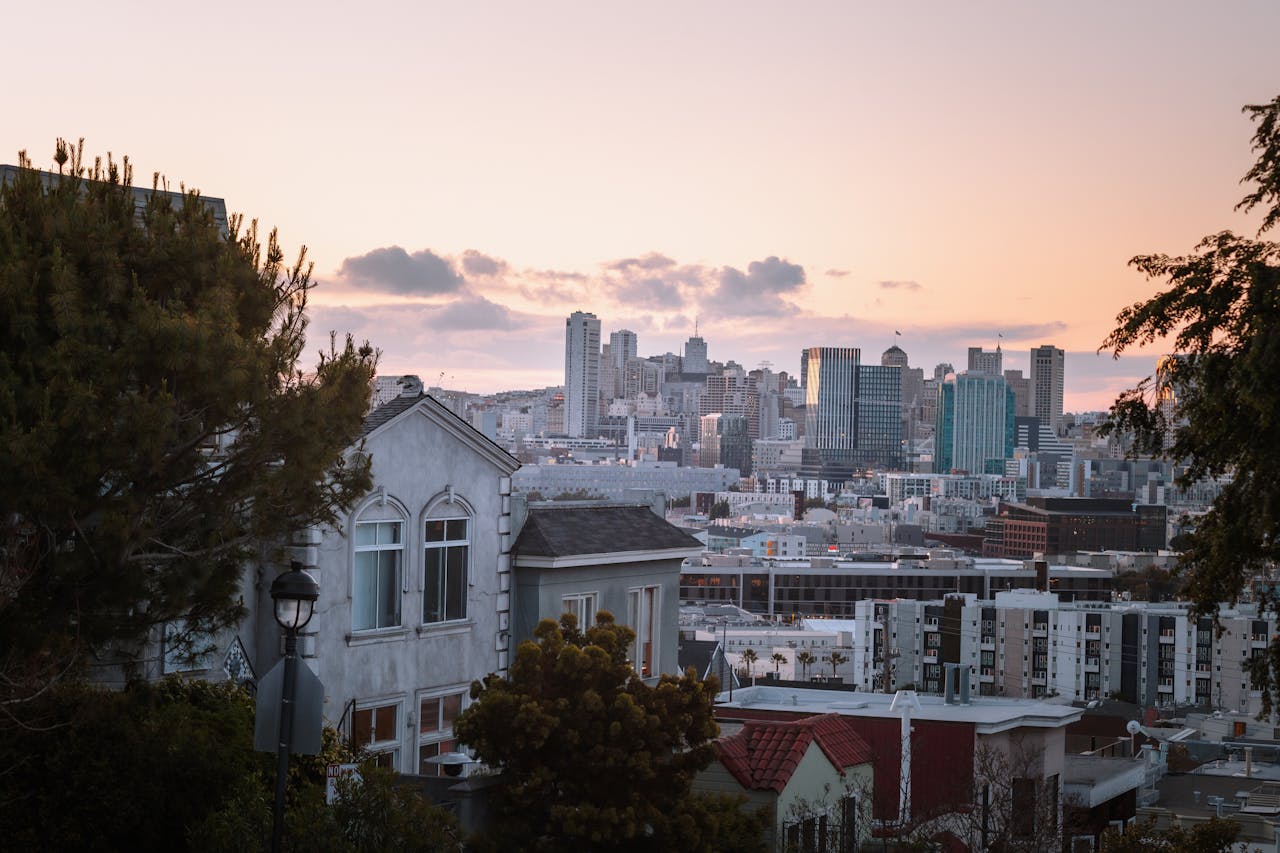
Choosing your home base in the East Bay is more than just selecting a bed to crash into. The neighborhoods in the San Francisco Bay Area all have their own vibe, tempo, and flair. Some are pulsating and rapid, while others are tranquil and intimate. Weather can really vary from region to region as well. Some areas remain sunny, while others become foggy. Housing expenses vary, running from approximately $2,100 to $5,100 per month. Being close to work, schools, and your daily needs is essential because commutes to San Francisco can be up to 75 minutes. Utilizing public transportation options, local events, and green spaces depends on where you live. Working through these considerations assists you in selecting a community that matches your lifestyle.
For City Lovers
Urban neighborhoods in the San Francisco Bay Area, particularly downtown Oakland and Berkeley, buzz with life. These vibrant city life areas feature art galleries, live music, and markets nearly every week. Most houses are conveniently close to bus stops or BART stations, which significantly shortens commute times for San Francisco commuters. City enthusiasts appreciate strolls to cafés, museums, and theaters, while community functions such as street fairs, farmers’ markets, or gallery openings foster connections among residents. A few neighborhoods even host block parties and outdoor clubs that enhance the sense of community.
For Growing Families
Family-centric locations such as Alameda or Lafayette in the San Francisco Bay Area emphasize security and community. These neighborhoods are home to excellent schools and playgrounds just a short walk away. Larger apartments or single-family homes provide families more room to expand in this vibrant city life. There are parks and green spaces everywhere, with ample room for kids to romp around. New parents can tap local parenting groups for advice and support. Community centers frequently have after-school programs and kids’ classes, making it simple for families to participate in the local neighborhood. Safe, low-crime, connected neighborhoods provide peace of mind, as neighbors look out for one another.
For Quiet Seekers
Some East Bay neighborhoods, such as Montclair or El Cerrito, offer a slower pace and quieter ambiance. These areas feature peaceful streets and ample green spaces, making them perfect for gardening or hosting intimate social events. Residents enjoy walking trails and local parks, where it’s common to run into neighbors at community gardens. Many privacy-loving residents still engage in social activities like book clubs or hiking groups, all while enjoying the beautiful neighborhoods that characterize the vibrant East Bay lifestyle.
Conclusion
Moving to the East Bay is more than just a new home. To keep up with the pace here, explore local events, discover new places, and say hi to neighbors. Little things matter, like signing up for a group or a local class. A quick chat at the market or park can spark new ties. Each corner of the East Bay has a different vibe – find what matches you. Many people here are willing to assist and little things make a big difference. Life here is fast, but it’s that much more like home with every new face you’re introduced to. Take small steps, and before you know it, you know the streets, you meet more people, and you feel at home. Get in touch, tell your tale, and discover who you encounter next.
Frequently Asked Questions
How can I quickly make new friends in the East Bay?
Engaging in local events, joining community groups, and participating in neighborhood activities are excellent ways to meet people and start building a vibrant community in the San Francisco Bay Area.
What are good ways to learn about East Bay neighborhoods?
Discover the local parks, markets, and cafes in the vibrant San Francisco Bay Area. Online forums and neighborhood social media groups provide resident insights and recommendations.
How can I find activities that match my interests?
Explore community centers, libraries, or social media for event calendars in the vibrant San Francisco Bay Area, where local neighborhoods offer sports clubs, art classes, and volunteering opportunities.
What are common challenges new residents face?
Some have trouble with transportation, especially in the vibrant Bay Area, while others face challenges with housing or loneliness. Getting to know the local public transportation options and joining community groups might help.
How do I get around the East Bay without a car?
Public transit, bike lanes, and Uber/Lyft are abundant in the vibrant San Francisco Bay Area. The region is very transit-friendly and well-connected, allowing me to get around without a car.
How can families with children settle in faster?
Seek out family-friendly parks, schools, and community centers in the vibrant Bay Area, where parent groups or children’s activities provide a great way for families to find support and make new friends.
Why is understanding the local culture important?
Understanding local customs and values in the San Francisco Bay Area facilitates your connection with others and feeling at home.
Thinking About Life In The East Bay? Sexton Group Real Estate Can Help You Feel Right At Home
If you’re drawn to the East Bay lifestyle, Sexton Group Real Estate | Property Management is ready to help you settle into a community that feels like the perfect fit. With offices in Berkeley, Oakland, and Lafayette, our team knows how each neighborhood ticks, from lively city streets to calm, family-friendly pockets with a true sense of community.
For more than 25 years, our agents have helped buyers connect with the East Bay way of life. Maybe you want weekend farmers markets, great food, and walkable downtown energy. Maybe you’re looking for parks, good schools, and a tight-knit neighborhood feel. Whatever your vision, we’ll help you match it with the right home and community.
You’ll get clear guidance from start to finish. This includes early planning, local insights, touring neighborhoods that match your lifestyle, and confident support through offers and closing. We keep the process simple and enjoyable so you feel excited, not stressed.
Ready to picture your life here?
Contact us for a free homebuyer consultation. Sexton Group Real Estate | Property Management is here to help you find your place in the East Bay.