
July 17, 2026 | Sexton Real Estate Group
California rental laws change often, and landlords must keep up with state rules and local ordinances on rent increases, evictions, deposits, fair housing, and maintenance. Staying informed helps protect investments, avoid penalties, and keep tenants satisfied.
Because local rules can be stricter than state law, landlords should review updates regularly, update leases and policies, and get professional advice when needed. A proactive approach lowers risk and helps properties remain safe, compliant, and well-managed for long-term success and stability overall.
Key Takeaways
- California rental laws frequently change at both the state and local levels.
- Local ordinances may impose stricter requirements than statewide laws.
- Regularly review lease agreements and management policies for compliance.
- Monitor legislative updates through reliable government and industry resources.
- Maintain thorough documentation for every tenancy and property.
- Budget for compliance-related expenses before new regulations take effect.
- Train employees and vendors on updated legal requirements.
- Communicate regulatory changes clearly with tenants.
- Implement preventive maintenance and routine compliance audits.
- Professional property management can help landlords navigate changing regulations with confidence.
Why Rental Regulations Frequently Change in California

California’s housing market continues to evolve in response to affordability concerns, population growth, economic conditions, climate-related risks, and shifting public policy priorities. Because housing costs are high and rental demand remains strong in many parts of the state, lawmakers and local governments frequently revise rental rules to address tenant stability, housing supply, and property standards. These changes can affect nearly every part of the landlord-tenant relationship, from how leases are written to how notices are served and how repairs are handled.
Regulatory changes commonly address:
- Rent stabilization policies
- Tenant protections
- Just-cause eviction requirements
- Security deposit limitations
- Fair housing compliance
- Habitability standards
- Building safety requirements
- Energy efficiency standards
- Environmental regulations
- Local housing initiatives
These updates often aim to balance tenant protections with landlords’ rights while encouraging stable housing throughout California communities. In practice, that means landlords must pay attention not only to statewide legislation but also to city and county ordinances that may impose additional obligations. A rule that applies in one jurisdiction may not apply in another, and some local laws are stricter than state law.
For landlords, remaining informed before new laws become effective is considerably easier than correcting compliance issues afterward. Early preparation allows owners to update leases, train staff, adjust budgets, and communicate clearly with tenants before problems arise. It also reduces the risk of fines, disputes, and costly legal mistakes.
Understand the Difference Between State and Local Rental Laws
One of the most important aspects of compliance involves recognizing that California landlords may be subject to multiple layers of regulation. State law provides the baseline, but local governments often add their own rules to address housing conditions in specific communities. Landlords who manage properties in more than one city should never assume that one policy will work everywhere.
California State Laws
State laws apply broadly throughout California unless exemptions exist. These laws establish foundational requirements regarding:
- Rent increase limitations under applicable statutes
- Security deposit rules
- Fair housing protections
- Habitability obligations
- Lease disclosures
- Notice requirements
- Eviction procedures
- Anti-discrimination laws
State legislation frequently establishes the minimum legal standards landlords must follow. For example, state law may define how much notice is required before a rent increase, what disclosures must be included in a lease, or how long a landlord has to return a security deposit. These rules are designed to create consistency across the state, but they do not eliminate the need to check for local requirements.
Local Ordinances
Many cities and counties adopt additional housing regulations that supplement state law. Local regulations may include rent stabilization programs, rental registration requirements, relocation assistance rules, tenant protection ordinances, local eviction restrictions, inspection programs, rental licensing requirements, and additional disclosure obligations.
Cities may impose stricter requirements than California law. When state and local regulations differ, landlords generally must comply with whichever rule offers greater tenant protection unless state law expressly preempts local regulation. Understanding both legal frameworks is essential before implementing new leasing or management policies.
For example, a landlord may be allowed under state law to raise rent within a certain limit, but a local rent control ordinance may impose a lower cap or require additional notice. Likewise, a city may require rental registration or inspections even if the state does not. Because these rules can change frequently, landlords should verify requirements before making decisions that affect tenants.
Monitor Legislative Changes Regularly
Waiting until a legal dispute arises to learn about new housing laws can expose landlords to unnecessary liability. Instead, landlords should establish a routine system for monitoring legal updates through reliable sources such as California legislative updates, local city housing departments, county housing agencies, professional property management associations, real estate industry organizations, landlord education programs, qualified real estate attorneys, and property management professionals.
Many landlords also benefit from subscribing to newsletters that summarize new legislation before implementation deadlines. Reviewing updates on a monthly basis helps ensure compliance efforts remain current and reduces the risk of overlooking important rental regulation changes.
It is also helpful to track laws by category. For example, one folder or digital system can be used for rent control updates, another for eviction rules, and another for fair housing requirements. This makes it easier to identify which properties are affected and what actions need to be taken. Landlords who own multiple units or operate in several jurisdictions should consider creating a compliance calendar that includes renewal deadlines, inspection dates, notice periods, and legislative effective dates.
Conduct Regular Compliance Reviews
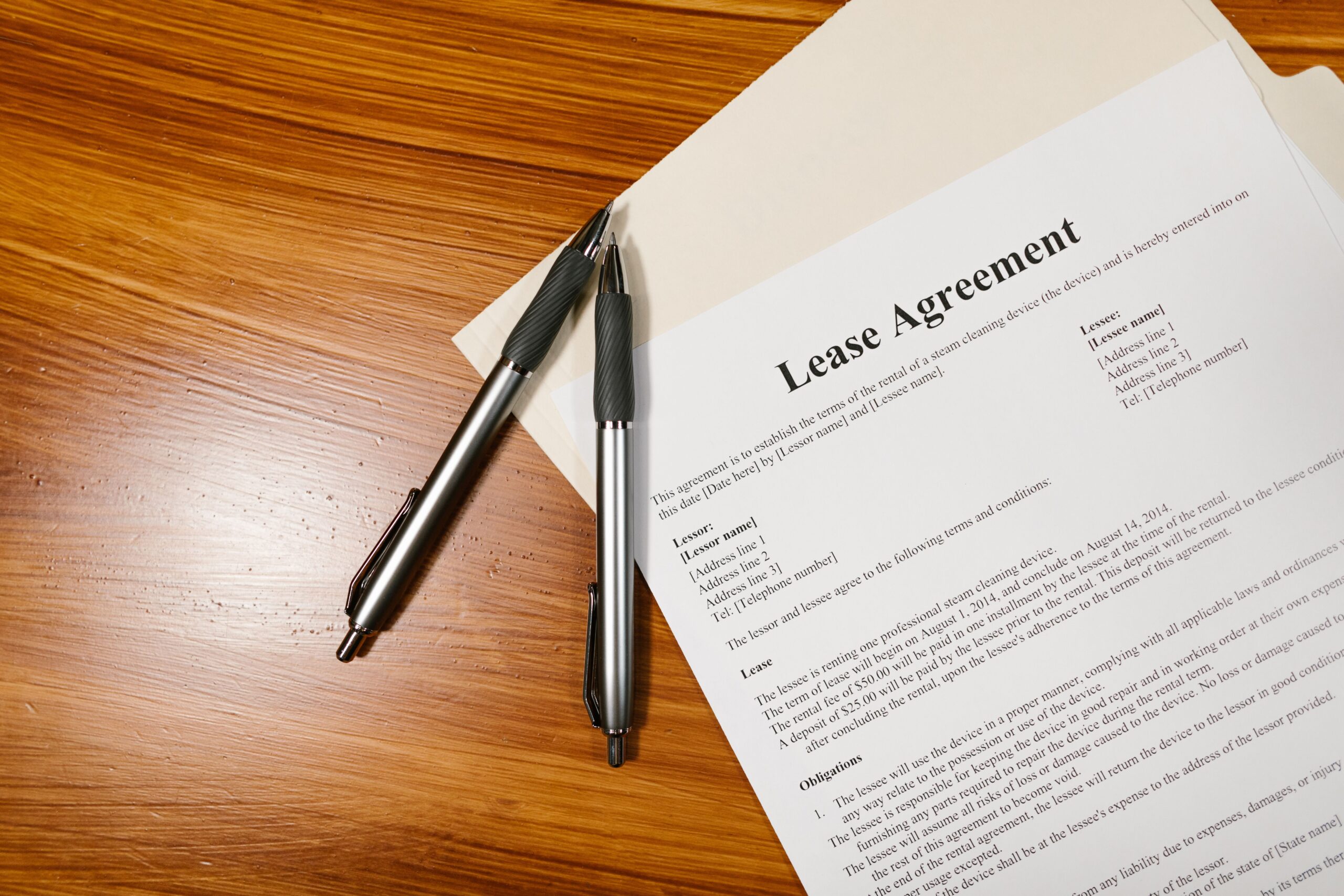
Preparing for rental regulation changes requires more than simply reading new laws. Landlords should evaluate how legal updates affect existing operations. A compliance review helps identify outdated lease language, inconsistent procedures, and missing documentation before they become legal problems.
A periodic compliance review should examine all areas of the rental operation that may be affected by new laws, including lease terms, notices, screening procedures, maintenance practices, recordkeeping, and local registration or disclosure requirements:
Lease Agreements
Review lease language to ensure it reflects current legal requirements, paying particular attention to security deposit clauses, rent increase provisions, maintenance responsibilities, entry notices, pet policies, utility allocations, required disclosures, and termination procedures.
- Security deposit clauses
- Rent increase provisions
- Maintenance responsibilities
- Entry notices
- Pet policies
- Utility allocations
- Required disclosures
- Termination procedures
Outdated lease language may conflict with recently enacted legislation. Even if a lease was valid when it was signed, later legal changes may require revised addenda or updated forms for new tenancies. Landlords should also confirm that lease terms do not include provisions that are no longer enforceable under state or local law.
Property Policies
Management policies should be reviewed regularly to ensure they remain compliant, effective, and aligned with current rental regulations and procedures.
- Tenant screening procedures
- Application processing
- Recordkeeping systems
- Maintenance request handling
- Complaint resolution
- Rent collection practices
- Notice delivery methods
Policies should remain consistent with current legal standards. For instance, screening criteria should be applied uniformly to avoid fair housing issues, and notice delivery methods should comply with legal service requirements. Written procedures help staff respond consistently and reduce the chance of accidental violations.
Evaluate Rent Increase Procedures
California has implemented various limitations affecting rent increases for many residential properties. In addition, numerous cities maintain local rent stabilization programs that establish separate requirements.
Before issuing any rent adjustment, landlords should verify:
- Whether the property is subject to statewide rent caps
- Whether local rent control applies
- Required notice periods
- Permitted increase percentages
- Required documentation
- Applicable exemptions
Assuming all properties follow identical rent increase rules can create compliance problems. Some properties may be exempt because of age, ownership structure, or unit type, while others may be subject to both state and local restrictions. Landlords should confirm the property’s legal status before sending any notice.
Each property should be evaluated individually based on its location, age, and legal status. It is also wise to keep a written record showing how the rent increase was calculated and which law or ordinance was used to support the decision. This documentation can be valuable if a tenant questions the increase later.
Prepare for Changes in Tenant Protection Laws
California continues expanding tenant protections in several areas. These protections are often designed to reduce displacement, improve housing stability, and ensure that tenants receive fair treatment during disputes or lease terminations.
Landlords should stay prepared for changes that may affect:
- Eviction standards
- Just-cause requirements
- Notice procedures
- Anti-retaliation protections
- Anti-harassment regulations
- Relocation assistance
- Temporary emergency protections
- Lease renewal requirements
These laws may vary considerably depending on the property’s jurisdiction. Some local ordinances may require additional notices before termination, while others may limit the reasons a tenancy can be ended. In certain situations, landlords may also be required to provide relocation payments or offer specific documentation to support a termination.
Keeping written procedures updated ensures consistent compliance across all rental units. It also helps landlords and staff respond appropriately when a tenant requests clarification or challenges a notice. Clear procedures reduce confusion and make it easier to demonstrate that the landlord acted lawfully and in good faith.
Strengthen Recordkeeping Practices
Accurate documentation becomes increasingly valuable as rental regulations evolve. Good records demonstrate that landlords have acted consistently and complied with applicable laws. Important documentation includes signed leases, addenda, required disclosures, rent payment history, maintenance requests, repair invoices, inspection reports, communication logs, notices served, tenant correspondence, and policy acknowledgments. Digital recordkeeping systems often improve organization while reducing the risk of misplaced documentation. Comprehensive records also simplify audits, disputes, and legal proceedings if they arise.
Strong recordkeeping should also include dates, names, and copies of any notices delivered to tenants. If a landlord relies on an exemption, exception, or local ordinance, that supporting information should be saved with the property file. Organized records make it easier to prove compliance and respond quickly if a tenant, attorney, or government agency requests information.
Review Fair Housing Compliance

Many regulatory changes involve expanding fair housing protections. Because fair housing laws are enforced at the federal, state, and local levels, landlords should review their practices regularly to ensure they are not unintentionally discriminating against applicants or tenants.
Landlords should periodically review whether their practices remain consistent with federal, California, and local anti-discrimination laws.
Important areas to evaluate include lease terms, rent rules, maintenance duties, disclosures, and fair housing.
- Advertising language
- Application procedures
- Screening criteria
- Occupancy standards
- Accommodation requests
- Assistance animal policies
- Communication practices
- Leasing decisions
Applying objective standards consistently helps reduce discrimination claims while supporting regulatory compliance. Landlords should avoid subjective screening practices that are not clearly documented, and they should ensure that all applicants are evaluated using the same criteria. Staff should also know how to respond to reasonable accommodation requests and how to handle assistance animal documentation in a lawful manner.
Budget for Regulatory Compliance
Preparing for new housing regulations requires thoughtful financial planning. Compliance often involves more than simply meeting legal requirements—it also helps landlords protect their investments, minimize legal risks, and maintain smooth property operations. Rather than viewing compliance as an added expense, landlords should consider it a proactive investment that can reduce costly disputes, penalties, and operational disruptions in the future. Common compliance-related expenses may include:
- Property upgrades and required repairs
- Safety improvements
- Energy efficiency improvements
- Administrative expenses
- Legal consultations
- Staff training and education
- Recordkeeping and compliance software
- Local registration and permit fees
- Property inspection costs
- Updated lease agreements and documentation
Creating a compliance budget in advance allows landlords to spread expenses over time instead of absorbing unexpected costs when new regulations take effect. For example, if a local ordinance requires additional inspections or property safety improvements, early planning enables owners to prioritize essential upgrades and schedule them strategically. Maintaining a dedicated compliance reserve fund can also provide financial flexibility to cover legal reviews, emergency repairs, administrative updates, or other regulatory changes as housing laws continue to evolve.
Improve Property Maintenance Programs
Many housing regulations directly affect property maintenance obligations. Preventive maintenance reduces the likelihood of violations while improving tenant satisfaction. A proactive maintenance program should include routine inspections, timely repairs, preventive servicing, vendor scheduling, documentation of completed work, emergency repair procedures, safety equipment inspections, and common area maintenance. Maintaining safe, habitable properties remains one of every landlord’s most important legal responsibilities.
Landlords should also pay attention to recurring issues that may signal larger compliance risks, such as plumbing leaks, heating problems, pest infestations, mold concerns, or damaged exterior features. Addressing these issues promptly helps preserve the property’s condition and demonstrates a commitment to habitability. When maintenance is handled consistently and documented carefully, landlords are better prepared to show that they met their legal obligations if a dispute arises.
Work With Professional Property Management Experts

Keeping pace with California’s evolving rental laws can be challenging, particularly for landlords who own multiple properties or rental units in different cities. Partnering with experienced property management professionals helps property owners stay informed about legal developments while reducing the administrative burden associated with compliance.
Professional property managers often assist landlords with a wide range of compliance and operational tasks:
- Monitoring state and local housing law updates
- Updating lease agreements and disclosures
- Coordinating legally compliant rent increases
- Managing maintenance requests
- Conducting inspections
- Maintaining accurate records
- Serving required notices
- Coordinating with legal counsel when necessary
- Implementing consistent tenant communication
Their experience allows landlords to adapt more efficiently as regulations change while minimizing the risk of costly compliance errors.
Train Employees and Vendors on New Requirements
Landlords who employ leasing agents, maintenance staff, office personnel, or outside contractors should make sure everyone understands the applicable legal requirements, including fair housing compliance, proper tenant communication, maintenance response timelines, documentation procedures, entry notice requirements, anti-retaliation protections, privacy requirements, and emergency repair procedures.
- Fair housing compliance
- Proper tenant communication
- Maintenance response timelines
- Documentation procedures
- Entry notice requirements
- Anti-retaliation protections
- Privacy requirements
- Emergency repair procedures
Consistent training promotes uniform practices across all rental properties and helps prevent accidental violations that may result from outdated procedures or misunderstandings.
Communicate Regulatory Changes With Tenants
Clear communication builds trust and helps prevent confusion when new rental regulations affect existing tenancies. Landlords should inform tenants whenever changes affect:
- Lease terms
- Rent adjustments
- Building policies
- Maintenance procedures
- Required disclosures
- Parking rules
- Utility billing
- Property improvements
- Safety procedures
Providing timely, written communication allows tenants to understand their rights and responsibilities while minimizing disputes caused by misunderstandings.
Whenever possible, communications should be professional, clear, and easy to understand.
Develop a Risk Management Strategy
Preparing for rental regulation changes is an ongoing process rather than a one-time project. Landlords benefit from implementing a comprehensive risk management strategy that incorporates legal compliance into daily operations. An effective strategy should cover:
- Annual legal reviews
- Scheduled lease updates
- Regular policy audits
- Preventive property inspections
- Budget planning for regulatory changes
- Routine staff training
- Digital document management
- Periodic legal consultations
- Emergency response planning
- Compliance checklists for each property
Making compliance part of everyday management allows landlords to reduce legal exposure while improving operational efficiency.
Leverage Technology to Stay Organized

Property management technology can simplify compliance by centralizing documents, automating reminders, and maintaining accurate records.
Useful technology solutions:
- Digital lease management
- Electronic document storage
- Maintenance tracking systems
- Inspection management software
- Online rent collection
- Secure tenant communication portals
- Calendar reminders for legal deadlines
- Compliance reporting tools
Technology cannot replace legal advice, but it can help landlords stay organized and respond more efficiently to changing regulatory requirements.
Stay Flexible as Laws Continue to Evolve
California’s housing laws are likely to continue changing as lawmakers respond to economic conditions, housing availability, and tenant protection concerns. Successful landlords recognize that adaptability is one of the most valuable business skills in today’s rental market.
Rather than waiting until a new law disrupts operations, landlords should anticipate future changes by reviewing procedures regularly and remaining engaged with trusted industry resources. A proactive approach allows property owners to implement updates gradually instead of making rushed adjustments after deadlines have passed.
Flexibility also helps landlords maintain positive relationships with tenants by demonstrating a commitment to professionalism, fairness, and legal compliance.
Conclusion
Preparing for rental regulation changes California landlords encounter requires ongoing attention, thoughtful planning, and a commitment to compliance. Because both state and local housing laws continue to evolve, property owners who regularly review their leases, update management practices, maintain thorough documentation, and monitor legislative developments are better positioned to protect their investments and avoid costly legal issues.
Rather than reacting to new regulations after they take effect, proactive landlords establish systems that allow them to adapt efficiently as laws change. Strong compliance practices not only reduce legal risk but also improve tenant relationships, support smoother property operations, and contribute to long-term investment success.
Sexton Group Real Estate Property Management helps East Bay landlords navigate California’s complex regulatory landscape through knowledgeable property management services, ongoing compliance support, and proactive operational guidance. Staying informed and implementing best practices allows property owners to confidently manage their rentals while meeting both state and local legal requirements.
Frequently Asked Questions
1. Why do California rental regulations change so often?
California regularly updates housing laws to address affordability, tenant protections, public safety, environmental standards, and changing housing market conditions. Local governments may also adopt ordinances that respond to the unique needs of their communities.
2. Do local rental laws override California state law?
In many situations, local ordinances may impose stricter requirements than state law. Landlords are generally expected to comply with the regulations that apply to their property’s jurisdiction while following any applicable statewide requirements.
3. How often should landlords review their lease agreements?
Landlords should review lease documents at least annually and whenever significant state or local housing laws change to ensure the language remains legally compliant.
4. What records should landlords maintain for compliance?
Important records include signed leases, disclosures, inspection reports, maintenance records, tenant communications, payment histories, notices, screening documentation, and repair invoices.
5. How can landlords stay informed about new rental regulations?
Landlords can monitor updates through California agencies, local housing departments, professional property management companies, landlord associations, legal counsel, and industry newsletters.
6. Can property management companies help with regulatory compliance?
Yes. Experienced property management companies monitor legal developments, update operational procedures, assist with documentation, coordinate notices, and help landlords comply with applicable state and local regulations.
7. What is the biggest benefit of preparing for rental regulation changes?
Proactive preparation reduces legal risk, helps avoid costly violations, supports positive tenant relationships, improves operational efficiency, and protects the long-term value of rental property investments.
Property Management Legal And Compliance Authority In The East Bay
California’s rental laws continue to evolve, making legal compliance a critical part of successful property management. Sexton Group Real Estate | Property Management helps East Bay property owners stay compliant with landlord-tenant laws, fair housing regulations, lease requirements, security deposit rules, and local ordinances that affect rental properties.
With more than 25 years of experience, the team has developed proven systems that help reduce legal risk while keeping properties professionally managed. From legally compliant documentation and tenant screening to notices, inspections, and recordkeeping, every process is designed to protect both the property and its owner.
Owning rental property shouldn’t mean navigating complex regulations alone. Sexton Group Real Estate | Property Management provides the legal knowledge, operational expertise, and ongoing compliance support that help owners avoid costly mistakes, minimize liability, and protect the long-term value of their investment.
Contact Sexton Group Real Estate | Property Management today to learn how professional property management can help safeguard your rental property and keep you compliant with California’s ever-changing regulations.