
April 12, 2026 | Sexton Real Estate Group
What causes buyers to fall in love with a home in the first few minutes is a combination of cool factor, natural light, and a sense of space. Pristine walkways, new aromas, and manicured lawns tend to make an immediate impression. A lot of people say big windows, open plans, and neutral colors allow people to more easily imagine everyday life. Little touches like neat counters and new fixtures contribute to this vibe. Noise and how light fills each room also play a big part. These initial minutes influence buyers’ perceptions of the entire home. In the main body, discover how these elements play off each other and what owners can do to create that critical initial impact.
Key Takeaways
- First impressions are powerful, so focus on a tidy exterior, welcoming entry, and illuminated walkways to captivate buyers the minute they pull up.
- Sensory touches, such as natural light, good smells, and cozy textures, make for a welcoming atmosphere where buyers can fall in love within the first minute or two.
- What makes buyers fall in love with a home in the first few minutes? Psychological triggers include selling them on aspirational identities, security, comfort, nostalgia, and the promise of future flexibility. They are selling a lifestyle, and owners need to adopt that mindset.
- A sensible, intuitive floor plan with nice pockets of defined space and functional hubs makes the home feel orderly, flexible, and appropriate for contemporary lifestyles.
- They show love by standing out from the pack as a home that is worth cherishing for years to come.
- Staging should be strategically employed to create an emotional connection where buyers can imagine their lives in the home and make the house more memorable and desirable.
The Primary Impression
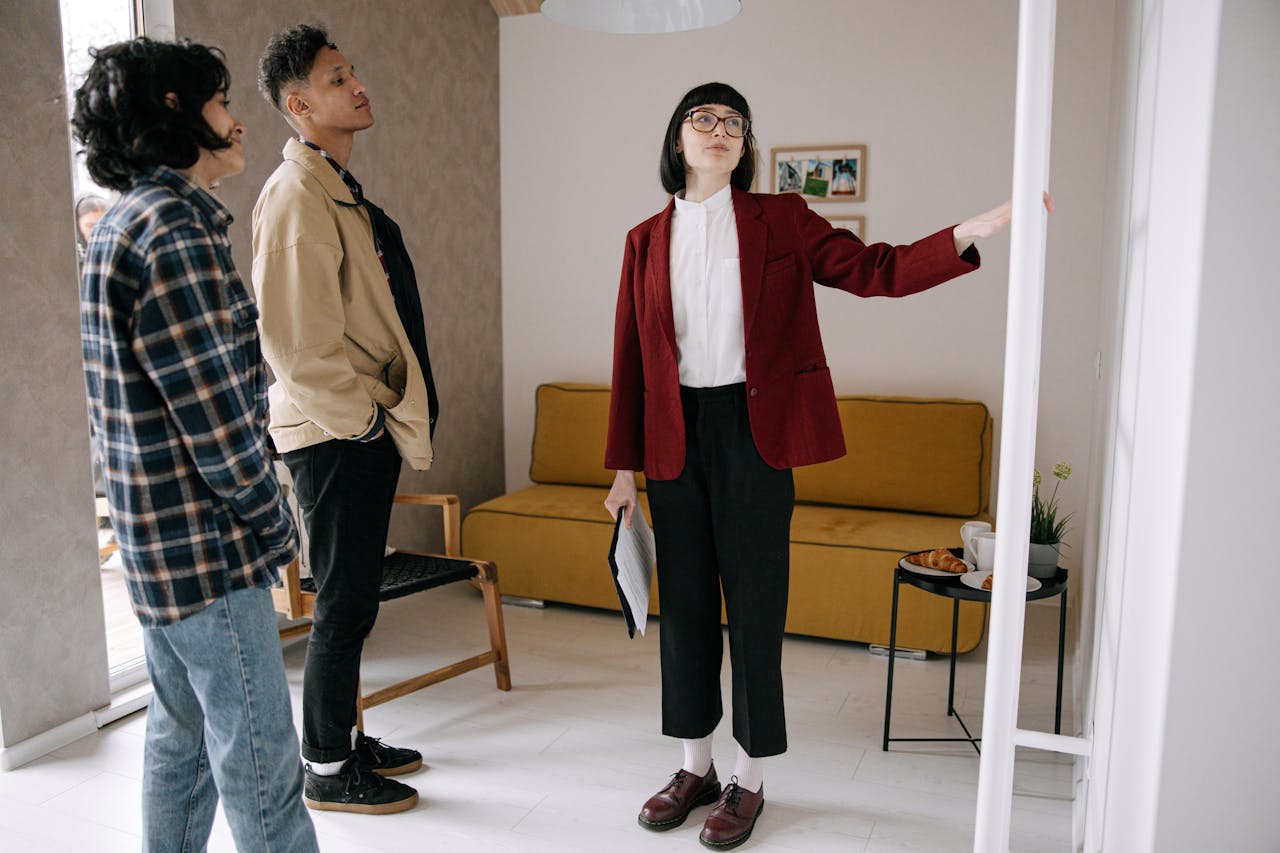
Those first minutes on a property define the entire experience for potential homebuyers. By the time they reach your front door, they’ve already formed initial judgments. A good first impression fosters trust and makes them more receptive to the home’s assets while understanding any minor defects. Conversely, a bad impression can lead to picky behavior, tainting their opinion of the entire property and influencing their emotional attachment, pricing decisions, and willingness to negotiate.
1. The Arrival
A neat, welcoming trim at the front sets a tone of hospitality, appealing to potential homebuyers. Landscaping should be tidy, with mowed lawns or gardens that enhance buyer appeal. Paved paths, clear signage, and lighting demonstrate thoughtfulness and lead visitors to your door, while styling accents such as a bench or path planters bring warmth, creating a cool mood before buyers walk in.
2. The Threshold
As you can see, the front door is the focus for potential homebuyers. When it appears new, maintained, and safe, it conveys class and appeal. Small details matter: a new welcome mat, tasteful decor, and good lighting enhance the entry’s brightness and openness. A fresh coat of paint in a nice neutral color can make that door pop, calming buyers’ anxiety over the home’s maintenance and emotional attachment.
3. The Sightline
Open sightlines assist home buyers in absorbing the space all at once. When they walk in, peeking into one room after another unencumbered by doors gives a feeling of flow. A fireplace or large windows serve as a huge selling point. Furniture shouldn’t obstruct sight lines, and strategically placed mirrors by doorways can reflect light, enhancing the emotional appeal of the home.
4. The Scale
High ceilings and open rooms seem airy and majestic, creating a strong emotional impression on potential homebuyers. Oversized furniture or high bookcases can highlight the room’s spaciousness, enhancing buyer appeal. Balanced room sizes throughout the house contribute to a harmonious living environment, fostering emotional comfort and positive feedback during real estate showings.
5. The Aura
Soft lighting, clean lines, and cozy seating beckon potential homebuyers to envision living there. Personal touches like a minimalistic art piece or elegant vase add personality without over-personalizing the space. Neutral colors are your best bet as they are universally appealing and allow home buyers to imagine the home’s potential. This should be a space that feels cared for but not cluttered with the owner’s life, so buyers can envision their own future there.
The Sensory Experience
A buyer’s initial reaction comes on quick, usually under ten seconds, before any rationalization gets involved. That’s why sellers care so much about the sensory experience in real estate. How a home looks, sounds, smells, and even feels has a powerful impact on the emotional attachment of potential homebuyers. According to neuroscience, most purchases are emotionally based, not logical. Thus, sensory elements can significantly enhance buyer appeal, either elevating a home to the next level or leaving it feeling unfinished in an instant.
- Clean, uncluttered views on entry
- Soft, natural lighting throughout
- Quiet sounds or gentle music
- Pleasant, subtle scents
- Comfortable, tactile materials
- Well-maintained finishes and details
Visual Cues
Clever home staging allows prospective buyers to catch a room’s function immediately. A staged sofa, bookshelves, or dining table provides context, making bare rooms less bewildering and assisting serious buyers in picturing their habits. Neutral color schemes tend to work best, but they evoke calm and comfort cross-culturally and still allow homebuyers to express their own style. Natural light is crucial. Open curtains, clean windows, and strategically positioned mirrors shine light into rooms, making them appear bigger and more welcoming. Art and those little personal touches, a reading nook or coffee setup, for example, resonate on an emotional level, illustrating a lifestyle that buyers may wish to replicate for themselves.
Ambient Sounds
Noise is important in the real estate market. A silent foyer provides a soothing rhythm that enhances emotional comfort. Street noise or reverberations from vacant chambers will interrupt this experience. Many vendors employ background music, such as soft, instrumental tunes, to maintain a subdued ambience. Silence in an important room, like a quiet bedroom, allows potential homebuyers to imagine rest and emotional attachment.
Subtle Scents
Inviting odors, such as actual flowers or warm bread, are intoxicating for potential homebuyers. Buyers associate these scents with emotional attachment and comfort, enhancing their overall experience. Airflow is critical, and a stale or strong odor can negatively impact buyer psychology. Light air fresheners or a touch of citrus oil can invoke positive memories without being overpowering, ensuring the home’s unique qualities shine through.
Textural Feel
Texture, which is often ignored, is the secret of comfort in the real estate market. Soft rugs, plush throws, and smooth wood finishes beckon home buyers to reach out and touch them, conveying a message of attention. Quirky touches, such as exposed beams or stonework, lend dimension and ignite intrigue for prospective buyers. Freshly wiped tables and counters demonstrate pride of ownership and instill buyer confidence regarding upkeep. A blend of textures, including sleek counters, cozy linens, and hardwood floors, makes the space feel luxurious and homey.
Psychological Triggers
The opening seconds in a house can color a buyer’s whole impression, especially for serious buyers. Up to 95% of what motivates potential homebuyers is subconscious emotional triggers, which is a crucial aspect of buyer psychology. A powerful first impression, calm, clean, and cared-for, can push something over the edge into love-at-first-sight territory, while a bad one might be tough to surmount, even if it has show-stopping amenities. Buyers’ decisions are typically influenced by these emotional triggers prior to the arrival of rationality.
- Aspirational identity, where buyers see their ideal life.
- Perceived safety pacifies the desire for security and faith.
- Nostalgic comfort, evoking memories that foster belonging.
- Future potential, allowing buyers to picture growth and change.
Ideal Identity
Consumers desire products that match their aspirations, particularly when it comes to homebuyers seeking their ideal new home. They dream of entertaining friends in a spacious kitchen, escaping to an oasis of silence with a book, or cultivating a rooftop garden. Staged homes can trigger these thoughts, demonstrating both design and practical use. Art, books, and just enough furniture to complete a room help buyers imagine their best self in the space, while appealing to their emotions and aspirations.
Perceived Safety
Security is visual and tactile, playing a crucial role in buyer psychology. While locks and cameras are important, the presence of well-lit sidewalks and sturdy doors also contributes to a home’s appeal. Buyers observe clean, well-lit streets and friendly neighbors, which fosters emotional attachment and comfort. Community parks and neatly trimmed lawns communicate attention and control, allowing prospective buyers to feel welcome and drop their guard, enabling connections to flourish.
Nostalgic Comfort
Nostalgia forms a bond for home buyers. Warm wood floors, a front porch, or a fireplace can evoke memories of family get-togethers or their own family home. A familiar kitchen layout, classic tile, or cozy nooks trigger warm memories, enhancing buyer psychology. Decor that resonates with another culture or family tradition makes the space feel familiar, allowing potential homebuyers to bond even when reason advises against it.
Future Value
Buyers seek promise as well. Open rooms and empty corners suggest what might be an office, a guest suite, or a playroom. Flexible layouts allow potential homebuyers to imagine modifications as their life expands. Envisioning a future in a home fosters emotional attachment, allowing buyers to picture themselves creating memories in the neighborhood as the years go by.
The Logic Of Layout
The layout of a home significantly influences prospective buyers’ impressions during real estate showings. Research demonstrates that virtually every purchase decision is based on buyer psychology and intuition, not just information. The initial glimpse from the inside informs serious buyers if the area feels relaxed, spacious, and suitable for their lifestyle.
Intuitive Flow
A proper layout allows homebuyers to flow with comfort. Open floor plans entail fewer walls, enabling friends and family to converse or huddle together. By connecting rooms without hard halts, the space becomes more expansive and less boxy, which can significantly enhance buyer appeal. Convenient routes from place to place reduce uncertainty and anxiety, while small touches like a line of sight from the entry that pulls the gaze to a sunny window or inviting chair contribute to the emotional impact of the home. Armed with this information, the floor plan directs visitors around the house subconsciously, helping potential homebuyers visualize themselves living there.
Defined Spaces
| Space | Function | Key Design Elements |
| Living Room | Social, relaxation | Sofas, coffee table, rug |
| Dining Area | Meals, gatherings | Table, chairs, lighting |
| Kitchen | Cooking, conversation | Island, open shelving |
| Bedroom | Rest, privacy | Bed, side tables, soft light |
| Home Office | Work and focus | Desk, chair, shelves |
Rooms with a defined purpose assist home buyers in imagining themselves using the space every day. A sofa and rug in the living room indicate where to unwind or entertain guests, enhancing the emotional impact of the home. Keeping spaces open, not closed in by walls or screens, keeps sight lines clear and the home feeling larger. Certain rooms can flex: a guest room can double as an office or hobby space. Every space, even small ones, has to feel like it fits and serves a need. Empty rooms make potential homebuyers guess, and guesswork is scary when you need to imagine how the home would fit your life.
Functional Hubs
- Kitchen islands provide additional prep space and assist with storage.
- Open shelving makes everyday items accessible and displayable.
- Muddy entryways with benches or hooks bring sanity and greet visitors.
- Living rooms with built-in cabinets that hide clutter feel neat.
Functional hubs must appeal to potential homebuyers by being both useful and visually appealing. Clever storage solutions, like deep drawers or wall shelving, enhance buyer psychology, allowing them to envision simple routines that fit their current lifestyle rather than how homes were used in the past.
The Story Of The Home
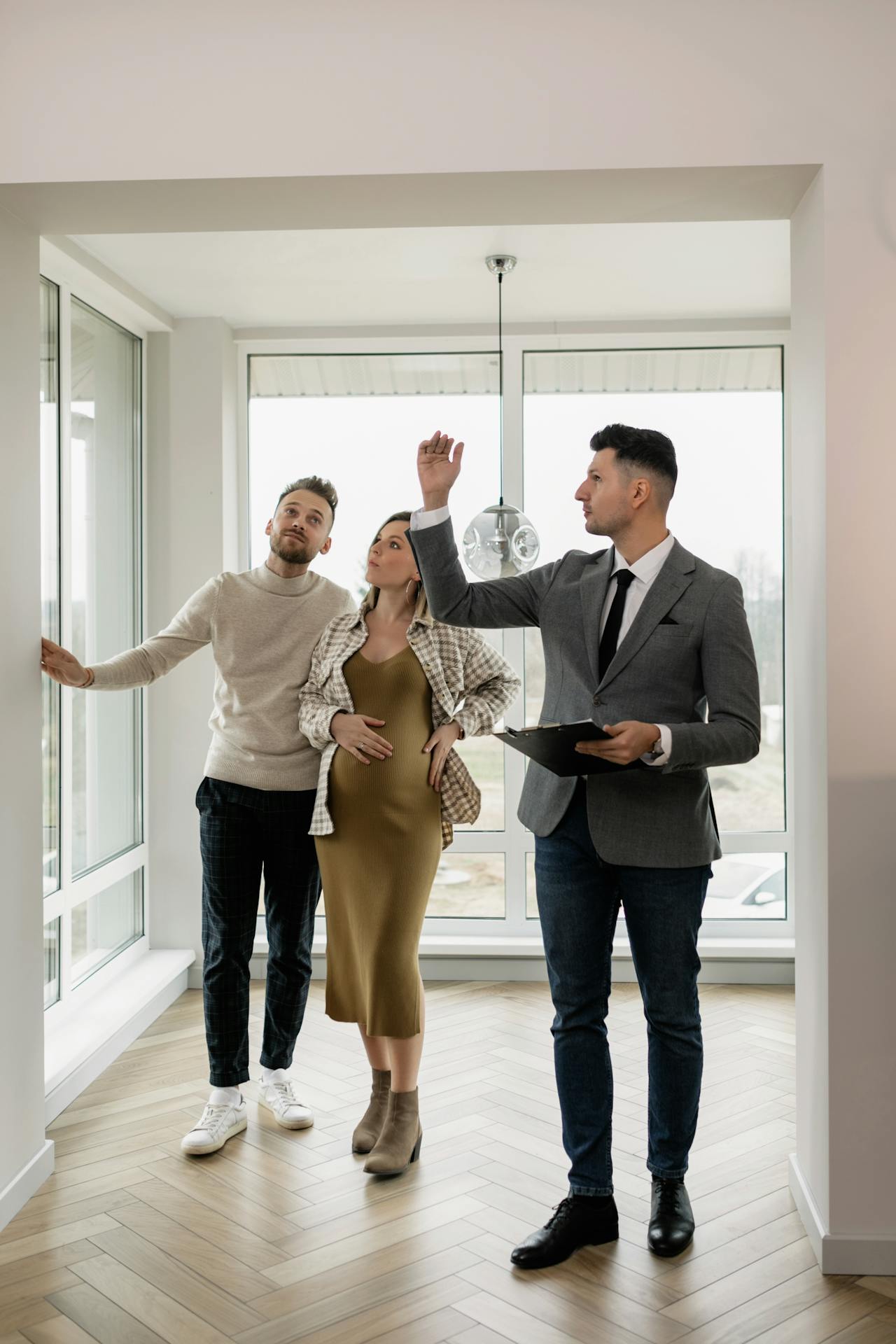
Buyers make up their minds within seconds upon entering, as they can “read” the story a home tells without words. This is where buyer psychology plays a crucial role, but it’s the feel, quality, and design decisions that ignite that initial sense of connection. Little touches, whether it’s a neat walkway, a friendly front door, or sunlight filtering through open windows, indicate that care and smart choices are beneath the surface of a home, enhancing its buyer appeal.
| Factor | Evidence of Care | Quality of Materials | Thoughtful Upgrades |
| Impact on Appeal | Fosters trust and connection | Raises perceived value | Meets specific buyer desires |
| Emotional Response | Feels inviting and well-loved | Impresses with durability | Adds excitement and utility |
| Example | Fresh paint, tidy landscaping | Stone countertops, hardwood | Smart thermostats, spa bath |
Evidence Of Care
A buyer’s eye is instantly drawn to signs of ongoing upkeep, fresh paint, a clean foyer, and tidy landscaping. The lawn is mowed, hedges are trimmed, and bright flowers at the walkway display pride of ownership, enhancing buyer appeal. Even the decision to use three coordinating colors on the exterior, home, trim, and front door can make your property pop on the street, creating a strong first impression.
A glance at a manicured lawn or tidy driveway signals to potential homebuyers that the home is well-maintained. Maintenance records, like recent servicing for the roof or heating system, demonstrate the owner’s responsibility. Such attention assists serious buyers in imagining themselves inhabiting an environment that feels secure and nurtured.
A loved home with nothing broken and every light working fosters an emotional attachment. They want to move in, not spruce up, as the emotional impact of a well-staged home can be a huge selling point.
Quality Of Materials
Buyers see quality finishes immediately. Stone countertops, hardwood floors, and soft-close cabinets don’t just look good, but they last, which makes the investment feel secure. Distinctive architectural elements, such as a Dutch or antique door in a statement hue or double doors with transoms, provide character that makes the home stand out.
Energy-efficient windows, appliances, and insulation are appealing to buyers who care about utility bills and the environment. These selections exhibit prescience as well, mixing the trendy with the truly timeless.
Materials should be both current and enduring, so the home feels crisp today but will not date.
Thoughtful Upgrades
- Smart thermostats, lighting, and security bring convenience and cost savings.
- Spa-like bathrooms with soaking tubs, double vanities, or rain showers provide that retreat feel.
- Open kitchens, new appliances, and additional storage make every day a breeze.
- Taking down heavy drapes, painting a soothing neutral, or injecting sunlight lifts the mood and flow.
- Patio furniture, string lights, and drought-tolerant plants expand your living area.
Upgrades to fit the way people live, tech for the connected, storage for the busy, and warmth for hosts. A plan with diffused light or transparent room functions, such as open floor plans that create defined areas for seclusion, suits most lifestyles. These modifications aren’t mere frills, but they demonstrate how homeowners consider potential homebuyers’ emotional attachment and expectations for the future.
Staging For Connection
Staging influences how home buyers view a home from the very initial moment. It provides them a canvas, allowing them to imagine their everyday life, family dinners, or intimate get-togethers. The vast majority of buyers come to a decision within 7 to 10 seconds, making first impressions count. A clean entry, well-kept garden, and tidy walkway can stage the right connection before they even step inside. Once inside, thoughtful staging makes potential homebuyers envision the house as their house, not another person’s house.
Staging means eliminating clutter and personal touches. If a home is too packed with the owner’s stuff, prospective buyers have difficulty imagining themselves in the space. Packing away non-essentials like personal photos, extra furniture, or bold décor opens up the space and makes rooms look larger. This step is crucial for every type of home, from luxury to new construction to older spaces. Even small things such as maintaining sight lines or introducing natural light can enhance that feeling of spaciousness. Just one error, blocking a window or crowding a room, can shatter the emotional connection buyers must experience.
To ignite a connection, staging must address what buyers desire in life. Little touches, such as a dining table set for a meal, an inviting nook by a window, or a reading corner with good lighting, pull buyers in. These touches don’t need to be elaborate or extravagant. Instead, they’ve got to feel genuine and natural to any lifestyle. This assists homebuyers in envisioning the life they might lead there, whether it involves quiet mornings, hectic family evenings, or weekend entertaining with friends.
Staging is most effective when the design comes across as cohesive and deliberate. Rooms should have good flow and demonstrate a definite function. Colors, textures, and layout should correspond so that you can envision each space as part of daily life. A beautifully staged home, a home that feels fresh and familiar at the same time, helps buyers envision themselves living there.
Conclusion
Buyers often know quickly if a place feels right. Warm light, tidy rooms, and a fresh scent all contribute. A good floor plan helps people circulate effortlessly. Little touches, like fresh paint or bright plants, help buyers imagine living there. Great staging sells the lifestyle. None of this requires grandiloquence or clever gimmicks. Genuine concern and a little thought go a long way. Sellers who listen to these easy signals differentiate themselves in a noisy marketplace. To explore further, follow the blog for home tips, or share your own story. Defined actions can assist purchasers and vendors in creating sensible shifts and discovering the ideal match.
Frequently Asked Questions
1. What Factors Influence A Buyer’s First Impression Of A Home?
The home’s curb appeal, cleanliness, and landscaping design significantly influence buyer psychology, setting the stage for emotional attachment and making a lasting first impression during real estate showings.
2. How Do Sensory Experiences Impact A Buyer’s Decision?
Open windows, fresh breezes, and the pleasant scent of flowers create an inviting atmosphere, helping potential homebuyers connect emotionally when their senses are delighted.
3. Why Is The Home’s Layout Important To Buyers?
A rational, airy floor plan allows potential homebuyers to visualize themselves living there, while an easy flow between rooms and functional design enhances buyer appeal in the real estate market.
4. What Psychological Triggers Help Buyers Feel At Home?
Personal touches, warmth, and a feeling of being safe can spark that emotional connection for potential homebuyers. Subtle home staging allows serious buyers to imagine themselves in the space.
5. How Does Staging Influence A Buyer’s Connection To A Home?
Staging showcases the home’s most attractive attributes and fosters a warm environment, helping potential homebuyers envision their emotional attachment and lives within the house.
Mastering Buyer and Seller Psychology in the East Bay With Sexton Group Real Estate | Property Management
Every real estate decision comes down to one thing, how people think and feel in the moment. The right home doesn’t just check boxes. It creates urgency, comfort, and a sense of “this is the one.” At Sexton Group Real Estate | Property Management, the entire strategy is built around understanding that split-second decision-making and using it to your advantage.
Buyers aren’t just comparing homes, they’re reacting to them. Layout, light, neighborhood energy, and even how a space feels when they walk in all shape their choices. The smartest buyers learn how to separate emotion from value, so they can act fast without overpaying or second-guessing.
Sellers face the same psychology from the other side. Pricing isn’t just a number, it’s a signal. Presentation isn’t just staging, it’s storytelling. The way a home hits the market determines how buyers perceive it within seconds, and that perception drives offers, competition, and final sale price.
With over 25 years of experience, the team knows how to read the market and the people in it. They guide buyers to recognize true opportunity and help sellers position their homes to create demand, not chase it. Every move is intentional, grounded in how real decisions actually happen.
You won’t be guessing. You’ll be making informed, confident choices that put you in control of the outcome.
Ready to play the market smarter? Connect today for a consultation and start using buyer and seller psychology to your advantage.