
March 9, 2026 | Sexton Real Estate Group
When you inquire what you should consider when choosing a retirement-friendly neighborhood in the East Bay, you have to look at safety, health care, walkability, and peace. You’ll want a location where medical assistance is close by, where streets seem safe come nightfall, and where parks or green spaces exude tranquility. Everyday necessities ought to be nearby, like stores, clinics, and public transit. It’s nice to locate yourself in a place where people your age can get together or participate in group activities. Look at the cost of living since costs vary from place to place. A little planning in advance goes a long way in helping you select a location that will bring ease and tranquility for the duration. Next, we parse these points to aid your search.
Key Takeaways
- Be sure to really crunch your retirement budget, and consider housing, day-to-day costs of living, and local taxes.
- You’ll want to focus on healthcare access by seeing which neighborhoods are closest to hospitals and specialized care.
- Visit neighborhoods of interest to sample the lifestyle, cultural offerings, and social activities.
- Transportation options and walkability should factor into your choice of a retirement-friendly East Bay neighborhood.
- You have to consider safety, crime, community policing, and secure living.
- You should investigate how cities and neighborhoods are planning for the long term, including climate adaptation, continued development, and senior support services.
Key Retirement Neighborhood Factors
Overplanning is essential if you’re seeking out a fantastic East Bay retirement community. Key considerations for retirement neighborhoods include living costs, healthcare access, lifestyle options, mobility, and safety, which define your day-to-day existence and overall quality of life in this vibrant area.
1. Financial Reality
- List all monthly expenses: rent or mortgage, utilities, groceries, healthcare, transport, and leisure.
- Include property tax rates, local fees, and home insurance for each area.
- Median home price in USD and average rent per square meter in cities such as Berkeley, Oakland, and Walnut Creek.
- Account for potential income, such as pensions, social security, and part-time work, and find out how far your savings can take you.
A defined budget keeps you from surprises, especially in popular East Bay cities like Walnut Creek, where housing costs more but local taxes might be lower. Certain Bay Area retirement communities offer senior discounts on utilities or transit, which can significantly decrease monthly living costs for retirees.
2. Healthcare Access
Healthcare access is vital. You should inspect the proximity of major hospitals and clinics. Proximity to medical care is important. For example, if you live near Alta Bates Summit Medical Center or Highland Hospital in Oakland, emergency care is minutes away. If you have chronic conditions, find locations with specialized services such as dialysis, rehab, or memory care.
Health insurance factors in as well. Confirm your provider accepts the local hospitals and clinics. See if they have wellness programs or fitness classes for seniors, typically available at community centers. Both of these choices encourage living well and staying active.
3. Lifestyle And Vibe
Visit neighborhoods and stroll. Check out parks, trails, and nature reserves. These green spaces promote good health, provide opportunities for social interaction, and offer you places to unwind. The East Bay is known for its parks, including Tilden Regional Park and the Lafayette-Moraga Trail.
Does the area have museums, galleries, and events? Others are quiet, with limited social opportunities. This is key to being social. If you’re looking to continue learning, check whether local colleges or libraries offer senior programs. Pick a place where the rhythm and culture suit you.
4. Mobility And Independence
Dependable and convenient transportation options significantly enhance daily life, especially in the Bay Area retirement community setting. Look for neighborhoods in the East Bay Area with good public transportation, such as BART stations, local buses, and senior shuttles. Walkable neighborhoods with flat paths and easy access to shops, parks, and clinics keep retirees active, vital, and independent, even if they give up driving. If buses or trains do not run late, ride-sharing can fill in the gaps. Certain East Bay cities provide dedicated shuttle service for their elderly population to attend medical appointments or community gatherings, making it an ideal retirement locale for those seeking a vibrant community atmosphere.
5. Safety And Security
Safety is an important factor to consider when exploring a Bay Area retirement community. Look up each neighborhood’s crime rate on the web or request information from local police. Seek well-lit streets and security patrols, especially in East Bay cities, and gated communities if you want additional reassurance. Others have neighborhood watch groups or community policing, which can develop trust and prevent crime. If you’re looking at senior housing, inquire about secure entrances, emergency-call buttons, and on-site personnel to ensure security in your retirement lifestyle.
Comparing East Bay Communities
If you’re comparing Walnut Creek and Berkeley as retirement options in the East Bay, you have to weigh their pros and cons against each other. They both provide mild weather, parks, and medical choices, yet each one presents a unique lifestyle. Below is a table that sums up the main benefits and drawbacks for each community:
| Feature | Walnut Creek | Berkeley |
| Climate | Warm, dry summers (29–32°C); cool winters (4–10°C) | Mediterranean; sea breezes, cooler summers |
| Safety | Lower crime rate (11.7) | Higher crime rate (28.5) |
| Housing | Senior apartments, condos, more expensive | Older homes, apartments, a few affordable units |
| Perk | Thriving downtown, parks and gardens | Cultural bounty, cafes, eclectic shops |
| Healthcare | John Muir Medical Center, clinics | Major hospitals, urgent care, specialty clinics |
| Social Scene | Active senior groups, clubs | Community centers, arts, multicultural events |
Walnut Creek
Walnut Creek is known for its vibrant downtown, attracting many seniors in search of a perfect retirement location with walkable shopping and dining. The city’s design features cafes, bistros, and small shops within convenient access, allowing you to spend the day out with friends, make new acquaintances, or just soak in the buzz. That community feel is a huge bonus if you’re someone who likes to stay active and social, which is a hallmark of the East Bay lifestyle.
There are lots of senior-inspired spaces in town. Parks, secure walking trails, and recreation centers offer group classes, fitness activities, and social events throughout the year. Most of these spots are accessible by reliable transportation options or short drives, so you don’t have to stress about mobility as you get older while enjoying the fantastic East Bay Area retirement community.
Homes in Walnut Creek suit various needs. Senior apartments and condo complexes are prevalent, occasionally with on-site assistance or communal meal scheduling. Prices are steep compared to several neighboring cities, but most locals believe the convenience to amenities, security, and support is worth it, especially in this attractive area.
John Muir Medical Center is a regional medical center providing comprehensive healthcare services, from emergency care to preventative checkups. Seniors can take advantage of multiple clinics and specialty physicians. With this robust healthcare infrastructure in place, it’s possible to receive high-quality treatment without ever having to leave the San Francisco Bay Area.
Berkeley
Berkeley’s diversity significantly influences everyday life in this vibrant Bay Area city. You’ll find folks of all ages and backgrounds, creating a warm environment ideal for retirees who enjoy learning or experimenting. The cultural scene is alive with art galleries, music events, and public lectures, providing many opportunities for seniors to remain inquisitive and engaged in community life.
Throughout Berkeley, community centers offer group classes, clubs, and support networks tailored for active seniors. Social opportunities abound, including language groups and gardening clubs, ensuring that those in the fantastic East Bay Area retirement community can remain active both mentally and socially. Berkeley’s resources are designed to meet the needs of its residents.
Housing options vary more than in Walnut Creek, with some older, affordable apartments alongside pricier ones. If you’re flexible about your living situation, you can find a suitable place that fits your budget in this attractive area.
Health care is readily available, with large hospitals and specialty clinics nearby. The city’s reliable transportation options make it easy to get to appointments, and Berkeley’s medical facilities cater to a vast urban population, ensuring you receive comprehensive care close to home.
Future-Proofing Your Retirement
When selecting an East Bay retirement community, it’s essential to think beyond just costs or family proximity. Consider factors like climate resilience, local growth, and the community services that will support your retirement lifestyle. In the following categories, we provide a checklist of what to look for, complete with hands-on examples that will guide you toward the perfect retirement location for your next chapter.
Climate Resilience
Begin by learning the local weather in the Bay Area. A nice, temperate climate encourages you to be active outdoors all year round, whether you’re walking, gardening, or going to outdoor concerts. Seek out neighborhoods in the East Bay Area that don’t face risks of extreme heat, flooding, or wildfires. This is particularly crucial if you desire to spend more time outdoors or have health needs impacted by air quality or temperature.
Next, inquire about community initiatives for sustainability and environmental preservation in Bay Area cities. Some neighborhoods use recycled water, plant drought-resistant trees, or have solar power adoption programs. Parks and greenspace are helpful for relaxation and in reducing urban heat and cleaning the air. Discover East Bay neighborhoods with big parks, trails, and gardens hosting art shows or outdoor yoga.
Climate change can impact infrastructure. Inquire whether area homes are constructed using energy-efficient materials and whether streets are retrofitted to drain heavy rain. You want public spaces to be clean and maintained, and the city to invest in keeping roads, power lines, and water systems strong.
Local Development
Discover what new development is on the horizon in the Bay Area. New shopping centers, clinics, or cultural centers can translate to better amenities and higher property values, especially in popular East Bay cities. Check for public notices of construction or city planning documents online. Many neighborhoods have newsletters or forums where you can get a glimpse of what’s coming.
Consider how these shifts future-proof retirement in the East Bay Area. A new library, arts center, or public garden can provide free events and classes for active seniors. Zoning laws count as well, regulating how near stores or ratty businesses can get to residences. Thought-out zoning keeps our neighborhoods quiet and protected.
See if you can attend local meetings or online groups to learn more about the vibrant East Bay lifestyle and contribute. This keeps you connected and allows you to assist in directing the neighborhood’s future.
Community Services
See which organizations provide support for resident seniors. Many towns have volunteer support lines, health advocacy organizations, and day programs. These help you network and get fast advice.
Others boast robust wellness initiatives. Search out fitness classes, hobby clubs, or once-a-week food and nutrition workshops. Joining these helps you make friends quickly, sometimes in as little as a few months.
It’s great to give back. See if you can volunteer at local schools, museums, or community gardens. Participating in these activities boosts your spirits and your network.
See if it’s easy to get around. Shuttle services, ride shares, and even local trolleys mean you can get to stores, parks, or medical centers without the need to drive. Medical care is crucial, so check if you have access to a reputable hospital or clinic.
Navigating Housing Options
Navigating housing options in the Bay Area retirement community involves choosing a retirement-friendly neighborhood in the East Bay, which is as much about deciding how you want to live today and in the future. These options range from conventional ownership to adaptable leases and even custom-designed age communities, each affecting your lifestyle, budget, and health. It’s essential to consider expenses, perks, and the community, including healthcare availability and social engagement potential.
Ownership
Owning a home in the Bay Area can provide a sense of permanence and control, particularly in the vibrant East Bay region, where property values have shown resilience. Whether you choose a single-family house on a peaceful street or a condo in a beautifully manicured community, you can achieve the stability you desire. For many, this often means downsizing into a smaller space, like a condo or townhouse, which can free up funds for travel, hobbies, or supporting family members, making it an attractive option for those considering a Bay Area retirement community.
Mortgage options for retirees in the northern CA Bay Area may differ significantly from those available to younger buyers. Certain banks offer tailored loans or reverse mortgages that might have strict criteria but can be beneficial for seniors. If you’re on a fixed income, explore options with lower down payments or more flexible qualification guidelines. Additionally, local governments or community organizations often provide assistance for seniors purchasing homes, especially in sought-after East Bay cities.
Now, it’s true that homeownership does come with maintenance. You’ll have to budget for regular fixes, landscaping, and emergencies like a water leak or heating issues. This is disadvantageous if you’re seeking less responsibility as you get older. Property taxes in the East Bay fluctuate and can increase unexpectedly with local policy changes or market spikes. Market fluctuations could affect your investment value, so gauge your risk before buying.
Rentals
Renting provides you with flexibility, especially in the Bay Area, where you can skip big down payments and property market fluctuations. Senior-friendly apartments in the East Bay Area typically have shorter leases, defined pet policies, and accessible floor plans. Lease agreements vary, so it’s essential to read each one. Some are fixed-rate, while others can increase annually. If you want to move closer to family or change neighborhoods, renting allows you to do so without having to sell a home.
Rentals differ significantly in terms of cost across various Bay Area cities. Walkable neighborhoods with good transit or a strong community feel may be more expensive, but they’re often more convenient. Peek at rent prices in places like Oakland, Berkeley, and Walnut Creek, and consider what’s included. Some rentals even include utilities, gyms, or group party rooms, enhancing the overall living experience.
Amenities count, particularly in a fantastic East Bay area retirement community. Many senior rentals today come with security, staff, and social programming. This will keep you moving and encountering new faces, which is crucial for your mental health. Renting allows for easier adaptation of your living situation if you need to make adjustments, such as using mobility aids or getting closer to care.
Senior Living
In the East Bay region, there are various types of senior living communities tailored to meet the needs of retirees. Independent living is ideal for those who can manage on their own yet seek a vibrant social environment. On the other hand, assisted living is designed for those who require some assistance with daily tasks. Continuing care communities provide a seamless transition between different levels of care as needed, making them a popular choice in the Bay Area retirement community landscape.
The services and amenities offered are extensive and cater to active seniors. Many communities provide meal plans, group exercise sessions, and reliable transportation options to local theaters and museums, along with on-site medical care. Parks and walking trails in the area attract outdoor enthusiasts, and the Mediterranean climate enhances the appeal. These amenities not only promote an active lifestyle but also facilitate quick connections with fellow residents, ensuring you’ll make friends soon after moving in.
Different communities cater to various lifestyles and requirements. Some locations focus on energetic, self-sufficient residents, while others offer nursing care, memory assistance, or therapeutic relief. It’s essential to explore what’s included in your dues and inquire about add-ons for advanced care. This way, you can ensure that your chosen retirement community aligns with your independence, health, and social needs.
The Social And Cultural Scene
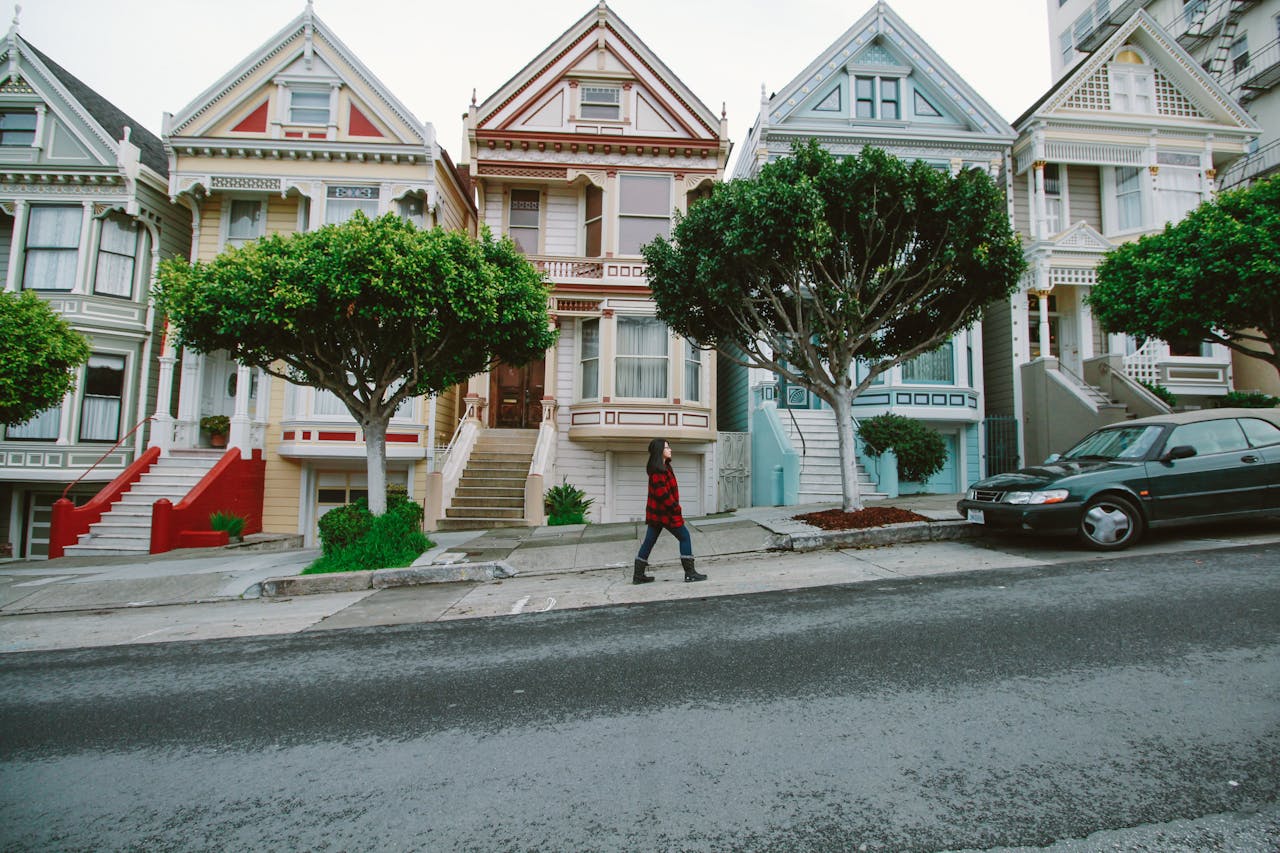
When you’re checking out an East Bay retirement community, you want to know what the social and cultural scene might offer. This chunk of your life can be more than repose; it can be an opportunity to thrive, connect, and participate in everything the Bay Area has to offer. The East Bay combines urban living with quiet residential streets and a mild climate that encourages you to be outdoors all year round. You discover both bustling urban blocks and quaint small-town corners, allowing you to decide what suits your retirement lifestyle best.
Explore Local Arts And Cultural Events That Enrich The Retirement Experience.
Art and culture keep your mind sharp and your days full, making the East Bay region an ideal retirement location. The vibrant social and cultural scene in the East Bay cities features an array of museums, galleries, and theaters, ranging from big city venues to intimate local spaces. Berkeley stands out with its multicultural mix and robust arts scene, attracting those who crave innovation and novelty. If you’re a music fan, be sure to hit the outdoor festivals in summer or catch a play at a local theater. Farmers’ markets and art shows arise frequently, and the fall includes harvest fairs that let you break bread with others and sample local fare. These events make it simple to find something to your taste and forge new friendships with like-minded enthusiasts.
Evaluate Community Engagement Opportunities Through Clubs And Organizations.
Staying connected to a group is crucial for health, especially in a vibrant area like the East Bay. This region offers a plethora of clubs and groups for all ages, even retirees looking for an engaging retirement lifestyle. Community centers here hold book clubs, language classes, and volunteer projects. You can join a gardening club, assist in a local clean-up, or engage in a tech meet-up if you’re keen to learn or share skills. Parks and libraries have events as well, making it a fantastic East Bay area retirement community for connecting with others who share your interests. Many venues publish a monthly events calendar, allowing you to plan in advance and choose what fits you best.
Assess The Availability Of Recreational Activities Tailored For Seniors.
You want to be active and healthy, so it pays to live in a fantastic East Bay area retirement community where you can discover the right activities. Thanks to the East Bay’s climate, you can walk, hike, or cycle nearly any day of the year. Local parks organize walking groups and fitness classes, some specifically for seniors. It’s almost too easy to find community pools, tennis courts, and golf courses. If you prefer a slower pace, many centers have yoga, tai chi, or dance. They get you in shape and allow you to hang out with your friends simultaneously, making it an ideal retirement location for active seniors.
Investigate Local Dining And Entertainment Options That Foster Social Connections.
These are easy, low-key ways to meet others and enjoy yourself in the fantastic East Bay area retirement community. The East Bay’s diverse cultural mix has given rise to an abundance of great places to eat, ranging from small cafés to world food spots. There are weekly music nights, comedy nights, and open mic nights that foster a vibrant community atmosphere. Most restaurants have group tables or host events for locals, making it fun and easy to get involved. If you’re into movies, they have both new and old films being shown in their theaters. Thanks to the region’s reliable transportation options, you don’t need a car to go around, allowing you to enjoy these spots stress-free.
Making Your Final Decision
When you arrive at the final step in selecting an East Bay retirement community, take your time. There is no one right answer, but you can balance your tradeoffs by centering on what’s most important to you. Here are some clear priorities to help break down your choice:
- closeness to family and friends
- climate and seasonal comfort
- access to medical and personal care
- cost and affordability
- walkability and easy access to daily needs
- safety features in homes and public spaces
- social life, community events, and ways to meet people
- Care levels at senior or personal care homes
Begin with your priorities. This makes it easier for you to figure out what you truly need and want. Some retirees decide proximity to family and friends matters most. Others desire a place with a temperate climate, with winters not too cold and summers warm but not hot. Here in the East Bay area, some towns have a mild climate that attracts retirees from across the globe. If you appreciate a calm and steady climate, seek out locations with mild year-round temperatures and a low risk of significant storms or flooding.
Medical care is always going to be at the top of your priority list. Convenient access to hospitals, clinics, or doctors can make all the difference. If you have continuing health needs, this should tip the scales even more in your decision. Certain regions may have exceptional hospitals within 5 kilometers, and some might not. The same applies to personal care or senior living facilities. If you feel you may need additional assistance as you get older, investigate which neighborhoods provide access to a spectrum of care and measure its distance from your prospective new abode.
Walkability and everyday convenience count. Most retirees want to live somewhere they can walk to a store, park, or even a favorite café. See if sidewalks are wide and well-maintained and whether parks or recreation centers are within walking distance. Safety is another key point. Seek out houses with handrails, grab bars, and zero-threshold showers. These things reduce your chances of falling and allow you to continue to live safely on your own.
Cash is always an issue. Certain Bay Area cities go for a lot more than others. Look at the cost of homes or rent, taxes, and the price of everyday necessities. Be certain the space suits your budget today and well into the future.
Visit your top choices! Hang out for a day or two in each. Take a walk, chat with some folks, hit up some local events, and feel out the vibe. Community counts in retirement. Certain locations host weekly mixers, excursions, or workshops for all age groups, so it’s effortless to keep busy and socialize.
Discuss it with your family or close friends. They can catch things you overlooked. Most of all, trust your gut. If a location just feels right and checks your boxes, that is where you belong.
Conclusion
If you’re looking for a place to put down roots in the East Bay for retirement, you obviously want more than just a nice house. You desire safety, convenient walks, great clinics, and shops within easy reach of home. Maybe you want a park nearby or a location with good transit. Some want a bustling place with cafes and art. Others desire quiet blocks with yards and trees. Your needs may evolve, so design for comfortable living today and down the road. VISIT LIVE. Look at a couple of them in person. Talk to people there. Taste the pace and the crowd. The proper location provides you with convenience, choices, and a feeling of belonging. Need assistance with your search? Contact me and let’s discuss your next move.
Frequently Asked Questions
1. What Should You Look For In A Retirement-Friendly Neighborhood In The East Bay?
You want safety, access to healthcare, walkability, and reliable transportation options. Consider local amenities, affordability, and a friendly community vibe in a Bay Area retirement community.
2. How Do East Bay Communities Differ For Retirees?
East Bay communities differ in price, weather, and way of life, making them popular retirement communities. Some offer a quiet suburban feel, while others provide a bustling city lifestyle, especially in the San Francisco Bay Area. Weigh healthcare access, reliable transportation options, and social opportunities to determine the right fit for you.
3. Why Is Walkability Important For Retirees?
Walkable neighborhoods in the Bay Area retirement community keep you active, simplify your errands, and enhance your lifestyle.
4. What Housing Options Are Available For Retirees In The East Bay?
In the Bay Area retirement community, there are options ranging from apartments to single-family homes, including several East Bay retirement communities and assisted living facilities, all providing varying degrees of assistance and autonomy.
5. How Can You Stay Socially Active In A New Neighborhood?
Seek out neighborhoods in the Bay Area retirement community with community centers, clubs, and regular events to simplify encountering people.
6. Why Should You Consider Future Needs When Choosing A Neighborhood?
Thinking ahead to future needs, such as access to healthcare or step-free housing in a fantastic East Bay area retirement community, keeps you comfortable and secure as you age and saves you from having to move again down the line.
7. What Is The Best Way To Compare East Bay Neighborhoods For Retirement?
Tour neighborhoods in person to discover the fantastic East Bay area retirement community options. Chatting with locals and doing some early online research can help you make the best choice for your retirement-friendly East Bay location.
Thinking About Life In The East Bay? Sexton Group Real Estate Can Help You Feel Right At Home
If you’re drawn to the East Bay lifestyle, Sexton Group Real Estate | Property Management is ready to help you settle into a community that feels like the perfect fit. With offices in Berkeley, Oakland, and Lafayette, our team knows how each neighborhood ticks, from lively city streets to calm, family-friendly pockets with a true sense of community.
For more than 25 years, our agents have helped buyers connect with the East Bay way of life. Maybe you want weekend farmers markets, great food, and walkable downtown energy. Maybe you’re looking for parks, good schools, and a tight-knit neighborhood feel. Whatever your vision, we’ll help you match it with the right home and community.
You’ll get clear guidance from start to finish. This includes early planning, local insights, touring neighborhoods that match your lifestyle, and confident support through offers and closing. We keep the process simple and enjoyable so you feel excited, not stressed.
Ready to picture your life here?
Contact us for a free homebuyer consultation. Sexton Group Real Estate | Property Management is here to help you find your place in the East Bay.