
February 15, 2026 | Sexton Real Estate Group
How to make a long distance East Bay move less stressful. Most folks discover that putting their affairs in order pre-move, creating lists, and establishing a definitive schedule tends to make things less turbulent. Packing room by room, labeling boxes, and keeping important papers in one spot avoids the general confusion. We had some movers who use online tools or apps to track their items and dates. If you have pets or special needs, querying moving companies about additional assistance can simplify the transition. Getting to know the local area ahead of time assists those initial weeks. The rest of the post has additional easy suggestions to get you established.
Key Takeaways
- How can you make your long distance move to the East Bay less stressful?
- Look into great movers and verify their legitimacy for your long distance move to the East Bay.
- Get ready for parking permits, microclimates and local housing trends to smooth your transition and avoid surprises.
- Protect the precious cargo. Gold jewelry, fine trinkets, wet paint samples, and heartfelt photographs are important. Use proper packing techniques, keep important documents handy, and perhaps insure your valuable items.
- Having an essentials box and first-night plan will make your long distance move to the East Bay less stressful.
- Do what you can to reach out to your new community, switch over the utilities, and take care of yourself so your move is not only successful but enjoyable.
Your East Bay Move Blueprint
Long distance moves to the East Bay can be a stressful endeavor with challenges like micro-climates, hard parking, and 24-hour rush hour. However, if you break it down into steps, the entire move seems less daunting and more manageable.
1. The Timeline
- Begin at least 8 weeks prior to your move. Divide and conquer week by week by researching, packing, and handling paperwork to keep things on track and stress low.
- Schedule additional days for cleaning and for last-minute errands at both homes. The final 48 hours before you move are the most stressful, with decision fatigue spiking 40% in the days leading up to the deadline.
- Always incorporate buffer time for emergencies, like backup movers or weather days, which are pretty common in the Bay Area’s micro-climates.
- On a digital calendar or planner, a room-by-room checklist and a final after-loading sweep keep you from forgetting anything.
2. The Budget
List every possible cost: moving company fees, supplies, utility deposits, cleaning, and parking permits. San Francisco, for example, frequently demands a 40 ft curb for moving vans, which must be permitted at least 72 hours in advance.
If you have to lay somewhere for a night or two, factor in hotel or sublet fees. Put aside a little extra as a buffer for the unexpected, like last minute storage. Ask for prices from multiple movers. Occasionally, the lowest is hiding sneaky fees, so read the fine print.
3. The Purge
Begin in closets and storage. Organize everything into keep, donate, or toss. The less you move, the less you pay and the easier your unpacking.
A garage sale or local charity donation eases the burden. Recycle or dispose of anything that can’t be reused.
4. The Movers
Peruse reviews and ratings for professional movers specializing in cross country moves. Request free quotes from a few interstate movers and compare what’s included, ensuring you verify that the mover is licensed and insured for a successful move.
5. The Logistics
Determine the optimal path for your cross country move. Bay Area bridges and traffic can derail even the best-laid plans, so reserve your moving day in advance to secure your first pick. Arrange utility transfers to ensure your new home is ready upon arrival. Preparing an inventory of your packing material will help keep track of all your belongings during this big move.
Navigate East Bay Nuances
When you relocate long-distance to the East Bay, you must navigate the region’s unique mix of urban buzz, eclectic neighborhoods, and fluctuating microclimates. This area stands out for its diversity, making it an exciting destination for a cross country move. Cities like Oakland and Berkeley are renowned for their arts, cuisine, and vibrant neighborhoods. Expansive parks and green spaces offer a welcome break from the metropolitan pace. Knowing these fine points minimizes surprises and helps in organizing your successful move. Each neighborhood, from the innovation corridor around UC Berkeley to the serene hillside enclaves, has a distinct rhythm and character, allowing for a smoother adjustment.
Regional Timing
It’s not just about when you move, but also how you plan your cross country move. The East Bay’s weather fluctuates between cool morning fog and sunny afternoons, making a spring or fall move typically less hazardous. Summer heat and winter rains can complicate the logistics of a successful move. Traffic is a constant in my life; to avoid the rush, make your move before 10 am. Moving companies tend to be busier at the end and beginning of each month, particularly during summer, which can increase costs and complicate scheduling. By consulting local calendars and selecting a quiet window, you can time your move just right, saving both money and hassle while minimizing stress levels.
Parking Permits
Certain East Bay neighborhoods have permits for big moving trucks. It’s best to check city or neighborhood sites for specific regulations regarding your cross country move. Request the required permits well in advance, as it often takes days or weeks to process them in congested regions. Reserve a clean spot for your moving truck by cordoning it off or parking a car there beforehand to avoid scrambling on moving day. Giving neighbors a heads-up on your plans fosters new relationships and helps ease the stress of the transition.
Microclimate Packing
| Packing Material | Climate Use | Recommendation |
| Plastic bins | Damp, foggy conditions | Prevents water damage |
| Bubble wrap | Protects fragile items | Insulates against cold |
| Vacuum bags | For seasonal clothing | Saves space, airtight |
| Heavy-duty tape | Windy conditions | Secures boxes |
For example, use good quality packing material and rugged fabrics to protect delicate items from unexpected temperature fluctuations, which tend to occur as you traverse through zones during a cross country move. Identify cartons distinctly, whether contents are fragile or must be kept dry. Box things up seasonally, ensuring you have what you need quickly when you arrive at your new home. Little things like this make unpacking easier and protect your stuff.

Prepare Your Valuables
Long distance moves, especially during a cross country move, place your most valuable items at greater risk for loss or damage. Taking care of sentimental items, high value goods, and important paperwork will aid in a successful move to the East Bay.
Sentimental Items
Reserve a box for treasures such as family pictures, childhood souvenirs, or small heirlooms. Mark it so movers know these are must-take-care-of items. Photograph particularly sentimental items prior to boxing them up, which preserves memories and simplifies potential retrieval or replacement.
Get the family involved in selecting what to save. This way, it gets everyone involved in the move and prevents anyone’s cherished belongings from being left in the dust. For special pieces that might not travel well, try a scrapbook or digital memory book. That way, you retain the memory even if you have to let go of the original.
High-Value Goods
Wrap electronics, jewelry, or art in bubble wrap, foam inserts, or strong boxes. Photograph valuables and any pre-existing scratches or marks. Note down serial numbers for laptops, cameras, and keep them in a safe place.
For your most premium items, transport them yourself rather than packing them into the moving truck to minimize the risk of disappearance. Others opt for a dedicated carry-on bag or locked case for valuables such as watches or small electronics. Consult your movers on packing tips for valuable items. They typically have best practices.
For insurance, inventory each item along with its estimated value. This comes in handy should you have to put in a claim later. Spreadsheets or moving apps can make this easier and keep everything in one place.
Essential Documents
Collect passports, IDs, bank information, medical files, and property deeds all in one location. Have a folder or a binder that zips shut to prevent papers from getting wet or lost.
Scan or photo all important documents and keep digital copies in a secure cloud account or encrypted USB drive. This goes a long way if paperwork gets lost or delayed in the move. Have the necessary documentation for new services, such as utility hookups, banking, vehicle registration, and more, ready to go as soon as you get there.
Plan Your Arrival
A relocation to the East Bay isn’t simply about boxing up. The initial days establish the tempo for your new schedule. Smart tips keep you sane.
Planning for your arrival, particularly after a long distance move, provides you with a sense of control as you begin constructing your life in a new location.
Essentials Box
An essentials box isn’t just helpful; it’s a necessity for a successful move. Bring a few days’ clothes and toiletries, a phone charger, and some basic kitchenware, such as a mug, plate, and cutlery. Toss in snacks, water, and a first aid kit. Mark the box with neon tape so it pops out from the others. Keep important papers, medicines, and valuables with you, not in a moving truck. Throw in a blanket or a favorite pillow to make you feel at home on your first night in your new residence. If possible, stash this box in your own vehicle or carry it on the plane during your cross country move.
First Night Plan
Following an extended cross country move, that initial night may seem odd. Schedule a simple dinner—perhaps takeout or easy sandwiches so nobody needs to cook. Arrange sleeping bags or beds and inform everyone where they will be sleeping, even if it’s only for one night. Whether it’s a movie you’ve downloaded, a deck of cards, or a book, have something to help you relax. It’s not about unpacking every box in that first week. Take this opportunity to get a sense of your new home and discuss as a team what comes next.
Pet Acclimation
Pets get stressed out during a cross country move as well. Begin by designating a single quiet room for them, with their old toys and bedding. This safe haven makes them feel protected. Pack their bowls from back home using good quality packing material. Allow them to discover their new house little by little, one room at a time. Be on the lookout for mood or routine changes. Show them extra love and rewards as they transition. A soft schedule and household items can help them adjust.
Settle In Seamlessly
A seamless East Bay move begins long before you get here. Sorting out utilities, updating your address, and getting to know your new neighborhood can all help you settle in seamlessly and with less stress. By organizing your packing material and chunking the process, you’ll reduce clutter and concentrate on what’s important, allowing you to get settled in no time.
Utility Transfers
Reach out to electric, water, gas, internet, and waste providers as soon as possible — two or three weeks before your move, if you can. Inquire about transfer procedures, charges, and any required paperwork. Getting all services set up so they are good to go by the day you move in saves you last minute headaches. If necessary for an in-person appointment for internet or security systems, confirm installation or activation dates. If these services are late, you are going to feel like settling in is much harder, so double check with each provider.
Maintain a bare bones list of your utility account numbers, contact information and confirmation numbers. This can save time if you have to follow up. Once you’re in, try out all of the utilities. Flip on every light, test the water, get online, and check the gas fire. If something’s not working, call your provider immediately.
Address Updates
First, establish a change of address with the postal service to maintain continuity with your mail. Change your address with banks, credit card companies, and any standing services such as streaming or online shopping. This can usually be done online, which makes it quicker and more convenient. Don’t overlook health insurance, employer records, and government agencies, as neglecting this step can result in delays or missed information.
Inform friends and family of your new address. A group text or email will suffice. Simplifying this process can result in less chaos and less misplaced mail or delayed deliveries.
Community Connection
- Explore your neighborhood, stop into local shops, and sample a local café.
- Visit local events, markets, or fairs and mingle with people from various backgrounds.
- Locate nearby parks, beaches, or walking trails to immerse yourself in the ambiance and culture of the region.
- Become part of a club, class, or sports team based on your liking.
- Sign up to vote and find out about town hall meetings or volunteer days.
Wander through neighborhoods until you find the one that suits your lifestyle, whether it’s a tranquil cul-de-sac or a bustling area near public transit. Taking the time to unpack and label boxes, along with using good quality packing material, can help your new place feel more like home. Packing a ‘grab bag’ of basics like toiletries, chargers, and a change of clothes aids in making your first night in a new residence go more seamlessly. The more you engage and give back, the more settled and welcomed you’ll feel.
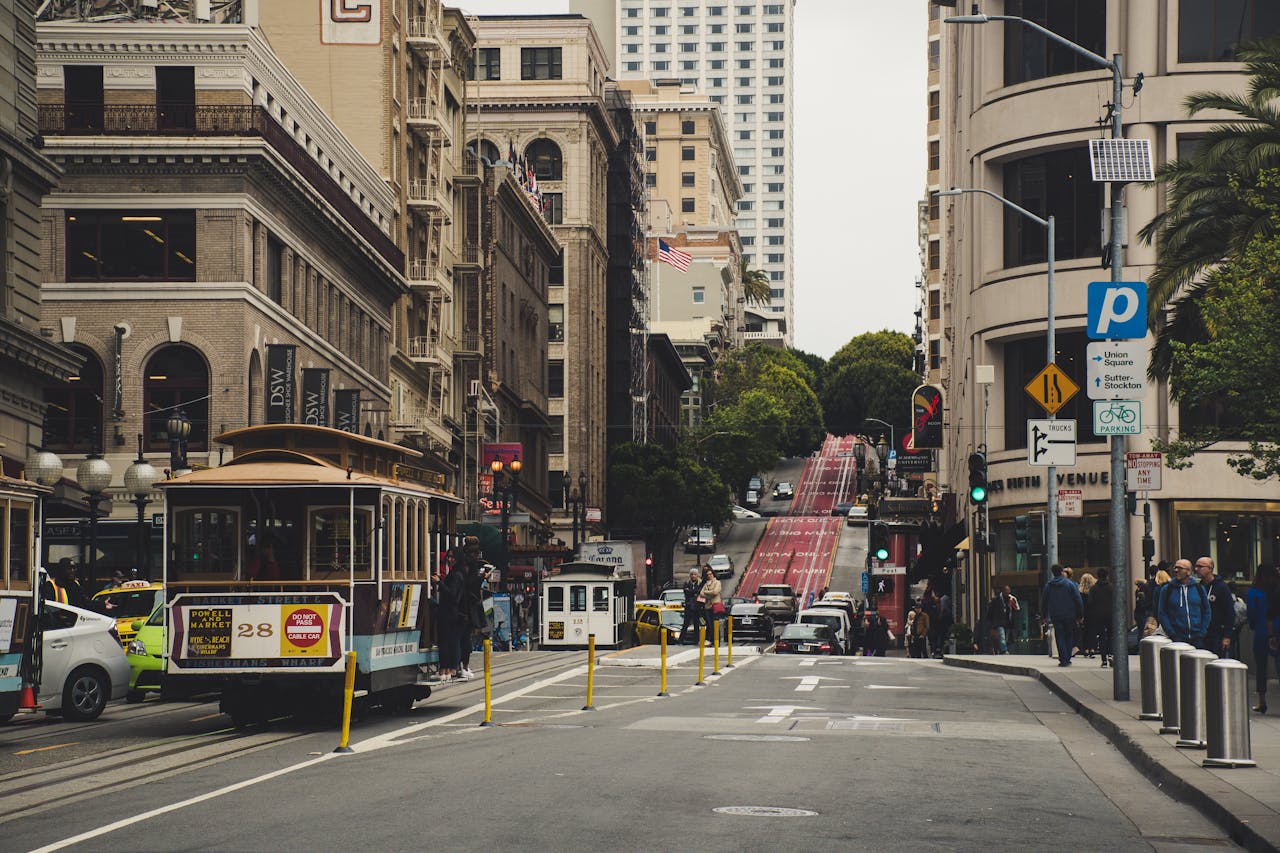
Prioritize Your Well-Being
Relocating such a distance for a cross country move to the East Bay can exhaust both body and spirit. Planning in advance can make things easier. About: Prioritize Your Well-Being Work out a timeline and list what you must do each week. It prevents you from making yourself crazy. For instance, pack one room at a time or reserve one box for immediate necessities. This makes the work seem less overwhelming and allows you to monitor your progress.
Plan breaks, rather than attempting to complete it all at once. Rest stops every few hours allow your body to recharge. Utilize them to stretch, hydrate, or take a brisk walk outdoors. Moving is hard on the body, so don’t skip meals or work too late into the night. Eating easy, healthy foods and sticking to your sleep schedule keeps your energy high. Keep snacks and water nearby, especially on move day. Nothing feels more like home than having a bag packed with your everyday essentials, clothes, toiletries, and more so you can unpack and settle in without digging through boxes.
Conclusion
Moving far feels big, but small steps help. Break stuff down into short lists. Pack intelligently and early. Know the streets and shops before you land. Say hi to your neighbors. Sample local cuisine, stroll the parks, and discover your own hangouts. Keep snacks, water, and chargers handy on the road. Keep up with friends and family. Give yourself a break when you get here. There are folks moving to the East Bay every year that somehow make it home. For additional tips or local stories, check out guides online or talk to people who made the same move. Your move can be smoother than you thought.
Frequently Asked Questions
How do I prepare for a long distance move to the East Bay?
Begin early by creating a checklist and finding out about professional movers to assist with your cross country move. Declutter unused items to avoid last minute stress and ensure a smooth transition.
What should I know about living in the East Bay?
The East Bay is so diverse and vibrant, offering various options for local transit, weather, and neighborhoods. Understanding schools, doctors, and community resources can ease the stress levels of your cross country move.
How can I protect my valuables during the move?
Secure good quality packing material, like heavy-duty boxes, and mark them. Wrap fragile items carefully for your cross country move.
How do I handle utilities and services before arriving?
Call utility companies in advance to ensure electricity, water, and internet are set up for your new home on your move-in day, allowing for a stress-free arrival.
What are some tips for settling in quickly?
Unpack the necessities and explore your new neighborhood. Meet neighbors and local groups while discovering local shops, parks, and public transport options for a smoother transition.
How can I manage stress during my move?
Take breaks, drink water, and request assistance from professional movers. Staying organized is a huge stress reducer during a cross country move!
Is it important to visit the East Bay before moving?
If you can, visit first to get a feel for the area and find the optimal community for your new home. This preparation is essential for a successful cross country move. If not, go online and do virtual tours.
Thinking About Life In The East Bay? Sexton Group Real Estate Can Help You Feel Right At Home
If you’re drawn to the East Bay lifestyle, Sexton Group Real Estate | Property Management is ready to help you settle into a community that feels like the perfect fit. With offices in Berkeley, Oakland, and Lafayette, our team knows how each neighborhood ticks, from lively city streets to calm, family-friendly pockets with a true sense of community.
For more than 25 years, our agents have helped buyers connect with the East Bay way of life. Maybe you want weekend farmers markets, great food, and walkable downtown energy. Maybe you’re looking for parks, good schools, and a tight-knit neighborhood feel. Whatever your vision, we’ll help you match it with the right home and community.
You’ll get clear guidance from start to finish. This includes early planning, local insights, touring neighborhoods that match your lifestyle, and confident support through offers and closing. We keep the process simple and enjoyable so you feel excited, not stressed.
Ready to picture your life here?
Contact us for a free homebuyer consultation. Sexton Group Real Estate | Property Management is here to help you find your place in the East Bay.