
November 30, 2025 | Sexton Real Estate Group
East Bay remains a great long-term living option for a lot of people who want a blend of city accessibility, career opportunities, and stable local existence. Others select East Bay for its diversity of neighborhoods, robust public transit, and easy access to major employers in tech, healthcare, and education. Daily life is often less hurried than in larger city cores, and there are more parks, hiking trails, and neighborhood shops. Schools and healthcare in most towns are top-notch, and it can be cheaper than in San Francisco. So for those who want reliable work, a robust local scene, and a sense of home, East Bay shines. This article examines what makes the East Bay maintain its long-term value.
Key Takeaways
- The East Bay is still an incredible place to live long-term, have all the benefits of natural spaces, a diverse culture, and established career opportunities in tech, healthcare, and creative fields.
- We have unique neighborhoods where people are involved with their community, creating a vibrant atmosphere that is welcoming for all creeds.
- BART and buses offer reliable commuting options, ensuring easy access to San Francisco and surrounding cities and fostering sustainable urban transit.
- Housing is extremely competitive, prices are up, and inventory is down, so anyone thinking of moving there should definitely weigh affordability and consider all their options.
- The economy is still humming along, with tech, small business, and startup support, and schools to help build the workforce.
- With the East Bay having such a quality of life with great public service offerings, residents have to evaluate the balance between paying more for living there versus the long-term benefits of great community amenities, safety programs, and other development.
The East Bay Value Proposition
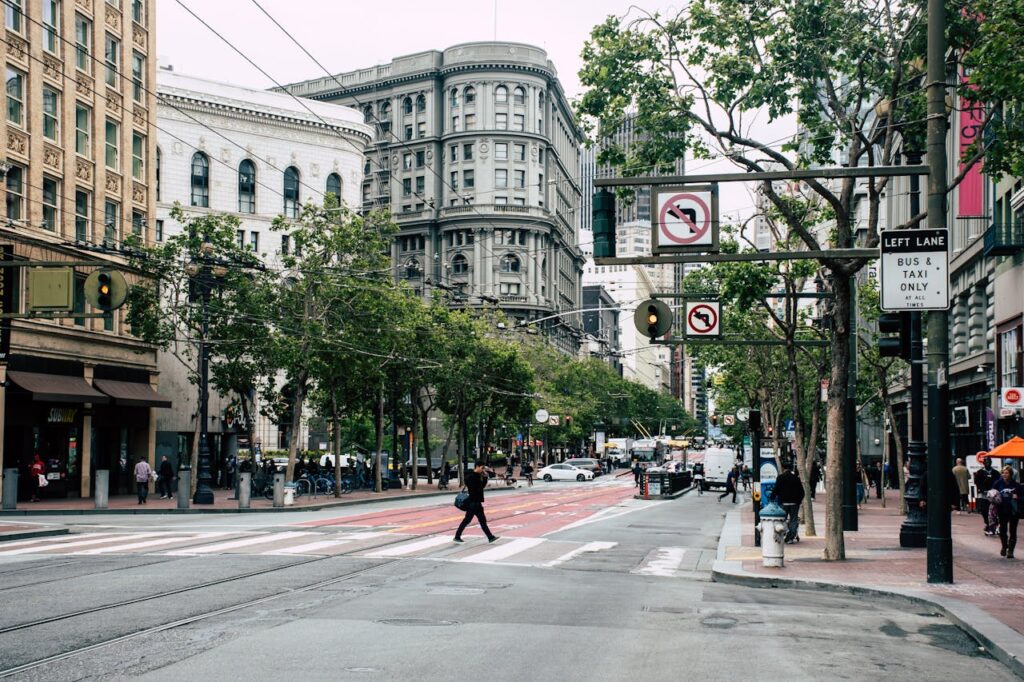
The East Bay is where scenic beauty, culture, and commerce converge. This eclectic lifestyle is marked by hustle and bustle tempered by tranquil suburban oases. It’s this combination of geographic and human factors that makes the region so alluring for long-term living.
Natural Spaces
Residents delight in more than 510 square kilometers of parks, including the East Bay Regional Park District, which is one of the largest in the country. These parks provide residents space to hike, bike, picnic, or simply escape the din of urban life. Lake Merritt, waterfront trails, and the shoreline along San Francisco Bay are all within easy reach, making it easy to take in some fresh air and scenic views. For us, it’s about the East Bay value proposition, where weekend getaways into the wild are just plain old life, not a special occasion.
Cultural Diversity
Cultural diversity is perhaps the most prominent. The East Bay has dozens of communities from every continent. Annual happenings such as the Oakland Chinatown StreetFest and Dia de los Muertos festival bring together crowds from every walk of life. Dining reflects this mix, with Ethiopian, Vietnamese, Mexican, and Indian restaurants frequently on the same street. It is this mix that makes cuisine, music, and art from around the globe an integrated part of life.
Career Pathways
Key industries—technology, healthcare, and education—anchor the region’s economy and job growth. Oakland and Berkeley are fertile grounds for tech startups, and hospitals and universities offer safe places to work. Many people commute into San Francisco or Silicon Valley but use the East Bay as a home base. The constant influx of new arrivals seeking employment or remote work keeps the talent pool vibrant and the economy robust.
Neighborhood Identity
Neighborhoods here have a distinct character. Rockridge’s leafy streets and boutique shops define its charm. Piedmont offers quiet, upscale living with solid schools. The East Bay Value Proposition includes Richmond and Concord, which lure buyers with less expensive homes and fast growth. Neighbors tend to bond quickly. Farmers’ markets, block parties, and community centers foster a sense of belonging.
Transit Access
BART and AC Transit buses provide public transit connections from the East Bay to San Francisco and Silicon Valley. Packed trains and highway congestion are a fact of life. Homes close to stations command a premium because everyone wants a walkable commute. Transit offers convenience, but extended commutes and inconsistent service try the patience of anyone. Closeness to a station is a major advantage.
Navigating The Housing Reality
The East Bay market is unique for its depth of mix and breakneck speed, which even the most experienced buyers can struggle to navigate the reality of housing. The area’s heavy demand maintains vacancy rates in the single digits, often under 5%. This means single-family, townhouse, or apartment homes go quickly, and buyers deal with serious competition. Most are more cautious than ever, considering not only price but maintenance costs, taxes, and HOA fees. Investors flocked to the area for its slow appreciation and consistent returns, even as other markets soared and crashed.
Diversity is another signature of the East Bay. Single-family homes are the norm in the suburbs, while newer apartments and condos sprout up in denser neighborhoods. Each place provides its own pace. For example, a few neighborhoods preserve those classic homes, while others have new high-rises or townhomes. They vary by location and kind, but on average, a home that is overpriced by only 5 percent will actually slow activity, and the seller will end up discounting later because buyers today do their homework and proceed cautiously.
The table below summarizes key trends in a few sample East Bay neighborhoods:
| Neighborhood | Avg Home Price (USD) | 10-Year Price Change (%) | Avg Rent (USD/month) | Vacancy Rate (%) |
| Berkeley | 1,300,000 | +85 | 3,200 | 4.7 |
| Oakland (Rockridge) | 1,430,000 | $94 | $3,400 | 3.8 |
| Walnut Creek | 1,100,000 | plus 78 | 2,900 | 4.2 |
| Richmond | 760,000 | plus 92 | 2,500 | 4.5 |
In certain pockets, home values have increased by more than 90% over the past 10 years. Rents and sale prices continue to go up, but the rate varies from year to year. In early 2025, although over half of U.S. States experienced price declines, the East Bay did not. This steadiness is because of strong demand and a lack of supply of homes. They don’t wait for the bottom mortgage rate anymore—they take what’s given, keep the numbers sleek and fit into their budgets.
The Economic Pulse
East Bay economic trends dictated its real estate market and long-term residency decisions. A quick rebound from the pandemic and a strong tech sector have enabled recent gains, even as wage equity and poverty rate improvements prove elusive. The table below highlights key growth indicators and their orientation over the last few years.
| Indicator | 2019 | 2021 | 2023 | Trend |
| Real Wage Growth (%) | +1.5 | +2.2 | +2.8 | Upward |
| Low-wage earner gains (%) | 2.8 | 4.1 | 5.0 | Upward |
| Workers under living wage (%) | 39.7 | 40.1 | 40.3 | Slightly up |
| Workers Near Poverty (%) | 9.5 | 9.3 | 9.1 | Slightly down |
| Median Household Income (USD, ‘000s) | 88 | 92 | 87 | Declined |
Technology and innovation lead. The area itself is renowned for startups and advanced manufacturing, and an emerging biotech footprint. Local universities and research centers draw talent from around the globe, ensuring a constant stream of ideas and launches.
Industry Growth
- Advanced manufacturing uses automation and robotics to cut costs and waste.
- Biotechnology: Develops treatments and drugs, drawing global investment.
- Clean energy: Solar and battery tech firms expand green jobs.
- Digital media: Gaming and content studios add creative roles.
Higher education is one of the cornerstones of workforce development. Schools such as UC Berkeley and local community colleges provide students with connections to internships, research, and industry ties. These choices cultivate a capable workforce and provide local businesses with fresh talent.
Small Business
How small businesses make East Bay’s economy tick, from corner grocers to the latest startup. They assist in generating employment and cultivating community identity. Many of the shops and services are family-run or minority owned, which contributes to the area’s diversity.
Entrepreneurs get active networks, city grants, and incubators. Organizations such as the East Bay Economic Development Alliance offer training and introduce companies to markets. Co-working spaces and pitch events simplify testing new initiatives for startups.
Commute Economics
- ✓ Public transit choices: Trains, buses, and ferries offer a range of routes. Reliability and travel time vary by mode and location.
- ✓ Commute times: Many workers see short trips, but more than a third of bus riders face travel times over 45 minutes, which leads to lost productivity.
- ✓ Cost savings: Living closer to work can cut monthly travel expenses and reduce stress from long commutes.
Shorter trips mean less time away from home and more fuel and fare savings. For a lot of folks, that’s one of the main reasons to stick around in the East Bay for good.
A Resident’s Daily Life
East Bay is a little slower than life over in the Bridge, San Francisco. Every day, individuals here select from a diverse blend of schedules. Others rise at dawn for lengthy drives, as rush hour can total 60 to 75 minutes in traffic alone to get to work. Others work closer to home, relishing a quick stroll or bike ride to their office. After work, most go to the park or relax at local arts and wine festivals. Farmers’ markets, outdoor concerts, and community events on the weekends provide ways to unwind and engage. The cost of living factors into everyday decisions. Grocery bills are about 20% above average nationally. For a two-bedroom house, utilities can add €150 to €200 per month.
Public Services
East Bay public services present a mixed picture. Schools have some beautiful districts with excellent programs and advanced classes, but they have their share of resource gaps. Healthcare access is robust, with multiple hospitals and clinics throughout. Most communities are a short drive from a significant medical provider.
The area is experiencing development, yet traffic is still horrendous. Public transit and road investments do assist, but car commutes continue to rule. Biking lanes and green spaces bloom and are still expanding in response to demands for healthier, more sustainable alternatives.
Safety Perceptions
Safety is not equitable across the East Bay. Some areas have low crime and security. Others, particularly in more crowded neighborhoods, experience more occurrences and issues.
Local groups and neighborhood watch programs help make it safer. Others have organized patrols or implemented digital alerts to notify residents. These are the actions that impact the sense of safety people experience daily.
The Unspoken Trade-Offs
There are unspoken trade-offs to living in the East Bay. One of our major concerns is the cost of living. Home prices and rent tend to be higher, and things cost more than in other suburbs. That can be hard for a lot of people, particularly young professionals or families on a budget. When you factor that against the benefits of more room and quieter streets, the value question looms quickly.
These sorts of urban perks, access to world-class food and late-night events, for example, take a backseat in the East Bay. If you desire exceptional food, then you’ll have fewer gourmet restaurants in your vicinity. Many locals simply wind up going to San Francisco to sample some new food or check out the city’s diverse culinary hot spots. That can translate to longer drives just to eat, which increases time in the car.
Commute times are a huge component around here. The East Bay’s laid-back vibe and greenery arrive with reduced transit options. Several neighborhoods aren’t even near major train or bus lines. This usually implies driving, sitting in congested traffic, and consuming more time traveling to the office or attending events in the city. For people with a high preference for a short commute, this is a serious disadvantage.
Social life comes with its own trade-offs. Community ties can become vibrant, but others find themselves isolated from large audiences and cultural excitement. Yes, there are local festivals and farmers’ markets, but they lack the energy, scale, and diversity of those across the Bay. Others find themselves missing the buzz of bigger shows, concerts, or art events that occur more frequently in larger cities.
Weather is a consideration as well. Summers in the East Bay are warmer, and winters can be colder than in coastal cities. That implies more temperature swings, something that some people love for the defined change in seasons, and others find less comfortable.
Neighborhood living frequently offers that tight community spirit, but it has its share of prying neighbors. Having a great community is a benefit, but it’s not always accessible to those who highly value their privacy.
Future Of East Bay Living
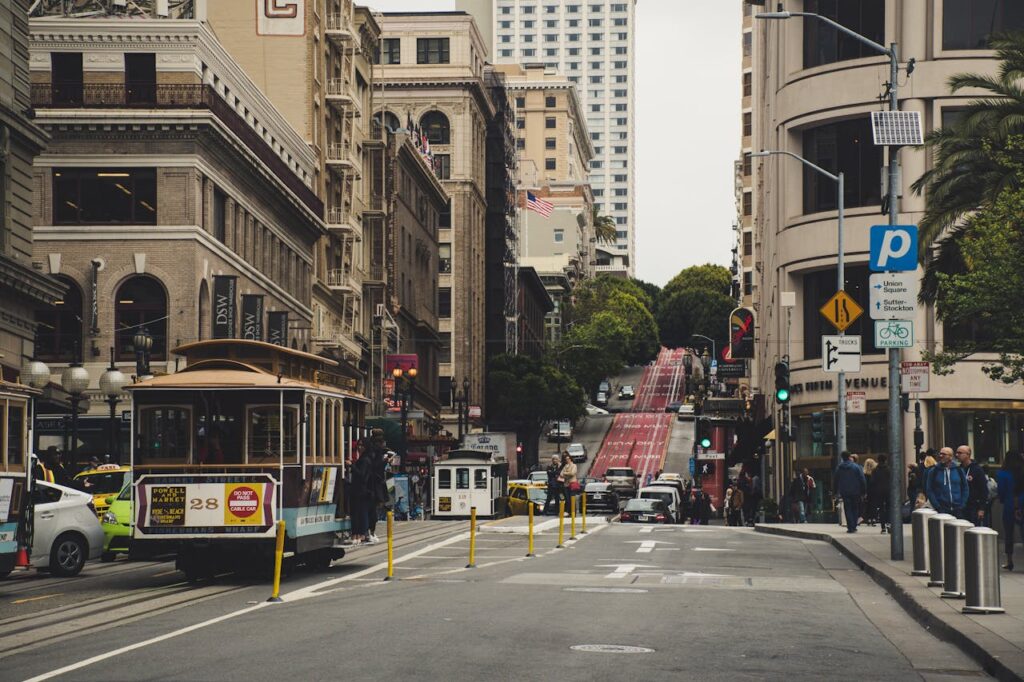
East Bay’s future is steady growth, new development, and maintaining a good quality of life for residents. New homes, new shops, new restaurants… It’s obvious that the neighborhood is evolving quickly! This has brought in more residents, particularly young professionals who want to be close to the major cities but can’t afford to buy a house in SF. Thousands are attracted by the East Bay’s parks, walking paths, and open views, which make it different from other urban spaces.
Growth here is not simply more buildings. The waterfronts, once silent, now hum with the vitality of cafés, galleries, and bicycle paths. More change means more people, and more people mean new ideas and new jobs. As tech firms and hole-in-the-wall eateries continue to move in, the East Bay’s “Third Wave” cities — Oakland and Emeryville in particular — increase in both desirability and allure. This blend of tech, food, and art makes the place feel new but inflates home value and rents. Alameda, for instance, witnessed a 7 percent increase in home prices in just a single year, an indication of how quickly things can shift.
Property values have increased for over a decade, but prices can fluctuate year to year. In their opinion, homes and rentals in well-connected areas will probably continue to increase in value as demand for living here grows. With the prospect of new schools, improved roads, and more green spaces, the neighborhood will remain sought after for years to come.
City leaders and builders want to manage this growth so that the East Bay remains a great place to live. They’re striving to balance new housing with parks and gathering spaces where people can connect or relax. They aim to maintain the vibrancy of the area and not overfill it so that people can still lead a good life as the area expands.
Conclusion
East Bay still has the real draw for folks who want that mix of city and space. You have tech firms, great food, and parks nearby. BART makes trips easy. Certain locations seem expensive, but others still provide reasonable offers if you search. Local jobs keep many grounded. It’s people that set the tone—open, bustling, occasionally noisy, eternally authentic. The sun is mild, fog rolls in, and streets are alive. Some trade-offs make their appearance—traffic, old roads, cost leaps—but day-to-day life carries on. For those who crave vibrancy and thrive on change, East Bay remains robust. Curious if East Bay is right for your next move? Talk to some locals, stroll the blocks, and see if it’s a fit for you.
Frequently Asked Questions
1. Is The East Bay Still Affordable Compared To Other Parts Of The San Francisco Bay Area?
Yes, the East Bay is still less expensive than many surrounding areas. Though housing costs are up, it is frequently a better deal for those desiring space and amenities.
2. What Are The Main Benefits Of Living In The East Bay Long Term?
They like the multicultural communities, availability of parks, access to events, and reliable mass transit. The East Bay is still a great place to live long-term.
3. Are Job Opportunities Stable In The East Bay?
The East Bay has a vibrant and eclectic job market, particularly in tech, education, and healthcare. Its closeness to the big cities continues to bolster working opportunities.
4. How Is Daily Life For Families In The East Bay?
Families enjoy great schools, community centers, and a lot of outdoor activities. There is something for everyone.
5. What Are Some Trade-Offs Of Living In The East Bay?
Commutes are long, and housing competition is fierce. While some spots have infrastructure or safety hiccups, most locals believe the benefits overshadow these concerns.
6. Is The East Bay A Good Option For International Residents?
Yes, East Bay is a very friendly multi-cultural community. Being close to the international markets, schools, and communities makes it an attractive option.
7. What Is The Future Outlook For Living In The East Bay?
The East Bay will keep on growing with its investments in housing, transport, and community resources. It is still a great long-term option for a lot of folks.
Thinking About Life In The East Bay? Sexton Group Real Estate Can Help You Feel Right At Home
If you’re drawn to the East Bay lifestyle, Sexton Group Real Estate | Property Management is ready to help you settle into a community that feels like the perfect fit. With offices in Berkeley, Oakland, and Lafayette, our team knows how each neighborhood ticks, from lively city streets to calm, family-friendly pockets with a true sense of community.
For more than 25 years, our agents have helped buyers connect with the East Bay way of life. Maybe you want weekend farmers markets, great food, and walkable downtown energy. Maybe you’re looking for parks, good schools, and a tight-knit neighborhood feel. Whatever your vision, we’ll help you match it with the right home and community.
You’ll get clear guidance from start to finish. This includes early planning, local insights, touring neighborhoods that match your lifestyle, and confident support through offers and closing. We keep the process simple and enjoyable so you feel excited, not stressed.
Ready to picture your life here?
Contact us for a free homebuyer consultation. Sexton Group Real Estate | Property Management is here to help you find your place in the East Bay.