
November 15, 2025 | Sexton Real Estate Group
Here are some great East Bay neighborhoods to consider for a commute to San Francisco. They select these spots for quick BART connections, convenient bus rides, and brief drives into the city. In Rockridge, BART trains run frequently and get you to downtown San Francisco in roughly 25 minutes. Emeryville provides quick access to both BART and express buses, as well as shuttle connections to the city, assisting those with flexible work schedules. Downtown Berkeley shines for its consistent transit, along with many biking and walking options for reaching stations. San Francisco workers like these neighborhoods because of their short commutes, reliable transit, and convenient connections to city jobs. Here’s a bit more on how each measures up.
Key Takeaways
- West Oakland and Alameda are the best choices from a commute perspective. Neighborhoods like Rockridge and Albany provide easy transportation to San Francisco, along with more affordable housing and vibrant communities.
- They enjoy a variety of transit options, including BART, transbay buses, ferries, and casual carpools, all offering dependable, affordable, and flexible alternatives to driving. Public transit is particularly aimed at cutting congestion and commute times.
- Last-mile solutions like bikeshare programs, e-scooters, and shuttle services are imperative for efficiently getting residents to and from major transit hubs.
- Believe it or not, reverse commuting from San Francisco to the East Bay is becoming increasingly feasible with more job options, great transit support, and ways to steer clear of rush hour traffic. This makes the East Bay a downright reasonable place to live.
- East Bay neighborhoods are known for their community-oriented culture, diversity, and ample opportunities for recreation, local events, and social engagement, which add great richness to residents’ lives beyond the daily commute.
- Continued enhancements to transit infrastructure, technology, and sustainable commuting options will enhance connectivity and support evolving work patterns throughout the Bay Area.
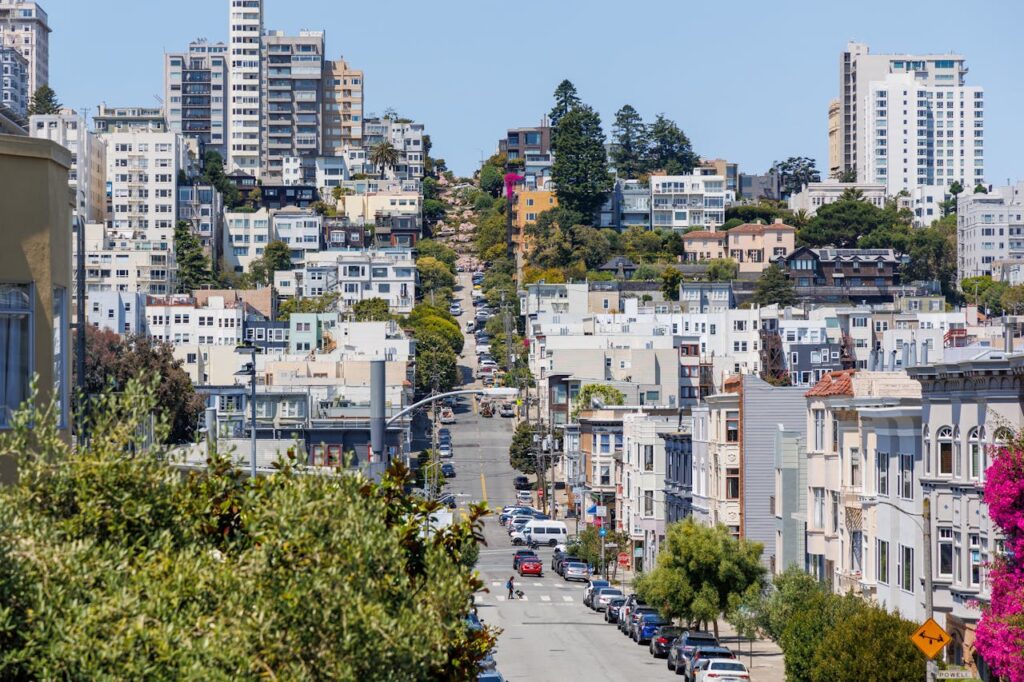
Best East Bay Neighborhoods For Commuters
Here are our picks for the best East Bay neighborhoods for commuters. Solid transport links, walkability, and closeness to San Francisco’s job market dictate the daily life of most commuters. Below, we highlight some of the best East Bay neighborhoods for commuters, whether for new or seasoned professionals.
West Oakland
West Oakland has direct BART access, which provides a quick, reliable ride to downtown San Francisco. The station is located such that riders get to the city in under 15 minutes, among the region’s shortest commutes. Transbay buses and proximity to freeways like 880 make the daily commute easier for carpoolers and motorists.
The area’s housing is still more affordable than in central San Francisco, and the real estate market has enjoyed steady growth, drawing both young professionals and long-time residents. West Oakland’s arts scene, featuring galleries and music venues, offers a dynamic setting for commuters seeking an energetic local culture post-work. The neighborhood is leading trends in sustainability, incorporating bike lanes and green spaces in current development.
Alameda
The ferry from Alameda provides a scenic and peaceful alternative to packed trains, bringing commuters directly to San Francisco’s financial district. Family-friendly streets lined with parks and charming homes draw those looking for the perfect balance between work and home life in Alameda.
Most housing here is cheaper than in the city or even close-in Oakland. Local shops and restaurants, from bakeries to independent bookstores, only further enhance this small-town feel and convenience for residents. It’s quiet out here despite the city close by.
Rockridge
Rockridge offers walkable streets and a central BART station, simplifying your journey to San Francisco. Residents love the variety of eateries and boutique shopping, which translates into fewer errands. There is a great neighborhood feel here with frequent farmers’ markets and events.
Green spaces and meticulously maintained homes lure families and single professionals alike. Rockridge’s mix of convenience and charisma draws the attention of those longing for a bit of the city and a bit of leisure.
Albany
Albany’s small-town vibe is complemented by convenient transit access, with nearby connections to El Cerrito Plaza and other BART stations. Its schools are some of the best in the East Bay, drawing families who seek great education and safety. Parks and local recreation provide avenues to decompress.
With housing still more affordable than in many adjacent regions, it’s a smart move for people who want to put down roots near the city without paying top dollar.
Walnut Creek
Walnut Creek’s downtown is loaded with shops, cafes, and entertainment, nurturing a vibrant suburban vibe. Your local BART station connects easily to San Francisco, even at rush hour. Superbly rated schools and beautifully maintained parks cement the city’s family-friendly status.
Outdoor lovers benefit from trails and green spaces, which are more abundant than in other East Bay urban areas.
Decoding Your Commute Options
East Bay – a mishmash of commuting solutions for SF-bound workers, all with their pros and cons. It’s tricky to figure out your alternatives because the area’s transit systems cater to both city workers and peaceful suburban escapees. Everyone commutes to the Peninsula and downtown, where all the tech and business jobs are. Here are the main ways people travel from the East Bay to San Francisco:
- BART (Bay Area Rapid Transit): A popular choice for those seeking fast, traffic-free rides straight into downtown.
- Transbay Bus: Offers a flexible schedule with stops in many neighborhoods for easy access.
- The ferry provides a scenic, calm alternative with multiple pickup points along the waterfront.
- Casual Carpool: Let’s commuters share rides, which cuts costs and reduces environmental impact.
BART
| Neighborhood | Key BART Station | San Francisco Destination |
| Rockridge | Rockridge | Embarcadero |
| Downtown Berkeley | Downtown Berkeley | Montgomery St. |
| Fruitvale | Fruitvale | Powell St. |
| El Cerrito | El Cerrito Plaza | Civic Center |
BART trains operate every few minutes at peak hours, reducing wait times and alleviating the morning rush. Most East Bay neighborhoods are within 1 to 2 kilometers of a station, providing easy access for residents in Berkeley, Oakland, or El Cerrito. Fares tend to be less than the equivalent expense of driving and city parking, saving commuters money in the long run.
Transbay Bus
Transbay buses make an extensive network with routes connecting every major East Bay neighborhood to San Francisco. Stops are located in dense neighborhoods such as North Oakland and Emeryville, so almost everyone lives within a five-minute walk of a pickup spot. Buses are a cheap alternative, particularly if you have a monthly pass. With service every few minutes during rush hours, it is less of an unknown for daily commuters.
Ferry
Ferry commuting from Alameda or Oakland is notable for the peaceful, beautiful Bay crossing. Riders get open water and city skyline views. Ferries operate on convenient workday schedules, docking at prominent downtown piers. If you’re tired of sardine-style train rides or the highway grind, the ferry is your breathing space for calm and quiet commutes.
Casual Carpool
Casual carpooling is set up by rendezvousing with other commuters at pickup locations, typically near transit stations or major intersections. Motorists and passengers connect for the ride and save on tolls while sharing expenses. Beyond the savings, carpooling fosters a community and reduces solo trips, which is an eco-friendly decision.
Solving The Last Mile
East Bay commuters have a patchwork of options for solving the last mile. Tackling this “last mile” challenge is important, particularly in neighborhoods that boast excellent transit connections but lack walkability or amenities. Common solutions include:
- Bikeshare programs located near BART and key bus stations
- On-demand dockless electric scooters are ideal for short urban trips.
- Neighborhood and job-specific shuttles, sometimes free or subsidized.
- Carpooling and rideshare pick-up hubs during rush hours
- Enhanced pedestrian walkways and bike lanes for easy access
- Parking facilities for personal bikes, though security concerns remain
Bikeshare
Bikeshare is a green, practical way to solve the last mile. Riders can unlock bikes from stations located around BART stops, such as Walnut Creek or Rockridge, and cover short distances in a matter of minutes. Several neighborhoods, including Oakland’s Rockridge, have their own bike lanes and marked paths that help riders navigate and feel secure as they traverse some uneven ground.
For those concerned about bike security, an ever-present issue, bikeshare bikes alleviate this because the user can drop off the bike at any docking station without fear of theft. This model caters to individuals who aren’t willing to leave their own bike locked up all day.
It’s simple to rent a bike for that impulsive jaunt to work or coffee, and the exercise provides health benefits as well. Biking allows you to savor the temperate East Bay climate, particularly in the sunshine-blessed warmth of Walnut Creek, which basks in sun while the Bay is soaked in fog.
Scooters
E-scooters have shot to the top as the last-mile vehicle of choice. With their small stature and appearance, they’re easy to locate around transit stations and business areas. Commuters unlock a scooter on their phone, ride to their stop, and park at a nearby rack or designated location.
Scooters are quick, agile, and can weave through congested traffic or alleyways. This renders them perfect for zipping around city neighborhoods or rushing past the queue in more industrial zones. Riders are subject to local regulations. Helmets are frequently mandated, with certain zones limiting speeds or parking to maintain sidewalk accessibility.
Shuttles
Shuttles operate in a few East Bay communities, ferrying people to key BART stations and employment hubs. Free weekday shuttles, such as those along Broadway in Oakland, make it convenient for a commuter to ride from home to transit or work at no additional cost. In larger employment zones like San Ramon, shuttles frequently operate straight from transit to office parks, conserving time and hassle.
Shuttles are typically more cost-effective than rideshares with fixed schedules in peak hours. These lines are attractive because they are reliable and on predictable routes, particularly for people who live in less walkable or amenity-light areas.
The Reverse Commute Myth
Reverse commute, which means commuting from San Francisco to the East Bay for work, is easy, but that misses the point. The Bay Area’s primary travel corridor between San Francisco and the East Bay is well known to be among the busiest. With more than 1.5 million trips starting or ending in downtown San Francisco every day and an estimated 1 million new jobs and 2 million more residents by 2040, traffic patterns are just becoming more tangled. To many, East Bay residents and SF work equals a simpler commute, but it’s actually defined by job growth in East Bay cities, increasing transit demand, and changing commute behavior.
Morning Traffic
Morning traffic is still rush hour traffic, even for those who reverse commute west from the East Bay to San Francisco. The Bay Bridge, an essential link, is congested with single-occupancy vehicles. Each highway lane can accommodate roughly 2,400 cars an hour, but traffic jams form rapidly, particularly as East Bay to San Francisco person-trips are expected to soar 70 percent between 2015 and 2035. This causes anxiety and injects uncertainty into daily schedules.
Flexible work hours enable some commuters to dodge the worst jams. The BART train moves up to 25,000 people per hour, which is unimaginable for a car. BART and ferries enable commuters to circumvent gridlock, reducing stress and making trip times more dependable. Ferries, in particular, have seen their usage increase by 37 percent in the past two years. Their distribution is still far more limited than the train.
Evening Gridlock
In the evening, there’s traffic leaving San Francisco, stuck in the ‘reverse commute’ gridlock, as everyone heads back to the East Bay. It can make delays worse because of the disproportionately high share of single-occupancy vehicles outpacing available road capacity. This congestion results in longer, more uncertain arrival times. Public transit does wonders. BART trains, buses, and ferries can transport hundreds or thousands more people without getting stuck in traffic. Thinking proactively—either planning for off-peak times or leveraging real-time apps—helps you better control delays. Evening commutes are still tough, but transit and flexibility mitigate the pain.
Weekend Travel
| Time Slot | Traffic Volume | Public Transit Availability | Popular Destinations |
| Morning | Low | Good | Oakland, Berkeley |
| Midday | Moderate | Good | Walnut Creek, Alameda |
| Evening | Moderate | Good | Richmond, El Cerrito |
With the lighter weekend traffic, it’s especially nice for East Bay dwellers to wander down to Berkeley, Oakland, or Marin for a change of scenery. Public transport remains, albeit less often, and ferries, trains, and buses provide uncrushed, smooth rides. Local attractions like hiking trails, museums, and waterfront parks are within easy access, fueling a balanced lifestyle.
Beyond The Daily Grind
Life in the EB is so much more than just rush hour traffic. Some neighborhoods explode with vibrancy and excitement and provide avenues for expansion, relaxation, and bonding. The area is known for its mix of urban, suburban, and outdoor lifestyles, along with a diverse demographic of individuals from all walks of life. Community events, outdoor markets, and local organizations help shape a lifestyle where residents can find their place and flourish.
- Strong sense of place because of involved neighbors and vibrant communities.
- Proximity to parks, the marina district, and waterfront access for recreation.
- Wide range of dining, markets, and entertainment for weekends
- Events and festivals encouraging cultural exchange and community pride
- Walkable neighborhoods with unique shops and gathering spots
- Convenient public transit connections for weekday and weekend commuting.
- Opportunities to join local groups, clubs, and volunteer initiatives
Neighborhood Vibe
East Bay neighborhoods all have a different vibe, their own personality shaped by history and people. Downtown Oakland beats with life. Indie bookstores, vegan bakeries, and tiny restaurants pepper the streets. Alameda’s marina district provides a slower pace, but its walkable downtown is alive with bar crawls and farmers’ markets in the evening. Neighborhoods surrounding Lake Merritt harmonize urban vibrancy with soothing nature, attracting runners, parents, and painters.
Local culture influences the vibe. Community art projects, music, and pop-up food fairs turn public spaces into event spaces. Neighbors from all walks of life contribute, turning the neighborhood into a melting pot of cultures, cuisines, and customs. The outcome is a ‘hood identity based on common experience, not just proximity.
Diversity isn’t a buzzword around here—it’s breathed every day. Cultural festivals, language clubs, and art walks showcase the community’s diverse origins. These communal experiences link neighbors, old and new, and instill pride in the region’s distinctive blend.
Weekend Access
Entertainment choices galore! With Lake Merritt’s trails, the waterfront at Jack London Square, and parks like Tilden Regional Park, there’s plenty of space to hike, relax, play, or hang out with friends outside. Cafes, music venues, and local markets open doors to new tastes and sounds. Many neighborhoods here are within close range of BART or bus stops, so impromptu day trips to the city or wine country are effortless.
Street fairs and open-air markets punctuate the calendar, uniting neighbors in communal jubilation. Thanks to your selection of restaurants, theaters, and art galleries, weekends hardly ever seem to repeat themselves. Being close to transit translates to a fast ride to other Bay Area cities, allowing residents more flexibility to adventure.
Community Feel
East Bay neighborhoods are steeped in a strong sense of community. Local groups organized clean-up days, park meetups, and skills shares. Local groups and online forums keep us all connected and informed. These build trust and make it simple for new people to participate.
The welcoming atmosphere is palpable. Neighbors say hello in stores, on the playground, or at community gatherings. Neighbors step up to help sculpt common spaces, from volunteering in community gardens to visiting the city council hall. These little daily habits accumulate, turning the East Bay into more than a location — a community, a home.
Future Commuting Landscape
East Bay neighborhoods are experiencing rapid shifts in their SF commute landscape. The public and private transport blend is evolving, and emerging tech is determining how our daily trips will look in the years to come. This area, featuring destinations such as Oakland, Alameda, Berkeley, and Rockridge, has historically provided excellent connections to San Francisco, though emerging work patterns and technology are poised to transform the landscape even further.
A lot of people anticipate BART to continue receiving updates, like increased frequency, improved safety, and cleaner vehicles. A few projects hint at extended service and new connections to communities not previously connected. For those who currently have to transfer between trains or take a bus, this could translate to shorter wait times and more direct journeys. Meanwhile, ferry rides from Alameda and Oakland should become more popular as they provide a serene cruising experience and allow commuters to bypass road congestion. Buses, as well, might switch soon to electric ones that eliminate noise and air pollution. For folks who prefer flexibility, ride-share and bike-share apps will probably improve. These alterations benefit neighborhoods such as Berkeley and Rockridge that already rate highly for walkability and convenient proximity to food, markets, and parks.
Sustainability is a huge motivator in new projects. As more people want to decrease their carbon footprint, urban planners are paying attention. Solar-powered green buses and bike lane projects are on the rise. This emphasis on clean transit is crucial for the business travel crowd as well as the occasional at-home worker. It makes the region more attractive to young, cosmopolitan workers who appreciate green choices.
Changes in workforces are influencing commutes, too. A lot of companies these days allow employees to work from home a few days a week. That is, people might choose homes based on walkability, transit, and local shops, instead of proximity to downtown San Francisco. Neighborhoods with robust connections to BART, bus, or ferry, such as Oakland, Alameda, or Berkeley, will probably remain hot commodities as workers pursue convenience and lifestyle.
Conclusion
East Bay keeps it interesting for the folks crossing the bay every day. Neighborhoods such as Rockridge, Emeryville, and El Cerrito exhibit obvious advantages. They provide rapid BART stations, bus routes, and slick bike lanes. A lot of people reduce stress and save time with decisions literally outside their door. Each location has its own vibe and pulse, from peaceful neighborhoods to bustling hotspots. Tech work, teaching, health care—whatever the gig, a solid commute sets the tone for the week. To find the best match, consider your speed, budget, and work requirements. Find out which location works for you. Have tips or want to share your own story? Leave a comment or jump in on our next Q&A to guide the way.
Frequently Asked Questions
1. Which East Bay Neighborhoods Offer The Fastest Commute To San Francisco?
East Bay neighborhoods such as Rockridge, Emeryville, and Downtown Berkeley provide the quickest commute options. They have direct access to BART trains and major highways, so life in San Francisco is quick and reliable.
2. What Are The Main Public Transport Options For Commuting From The East Bay?
Your choices here really boil down to BART trains, express buses, and ferries. BART offers speed and direct routes, while buses and ferries provide alternative connections to SF.
3. How Do East Bay Residents Solve The “Last Mile” Problem?
They commonly bike, scooter, or ride-share the final mile from stations to home or work. Most neighborhoods have dedicated safe bike lanes and convenient proximity to public transport stations.
4. Is The Reverse Commute From San Francisco To The East Bay Easier?
Yep, the reverse commute usually has less traffic and more seats on trains and buses. A lot of people like it because it is less crowded and faster than commuting to San Francisco.
5. Are There Affordable East Bay Neighborhoods With Good Commute Options?
Indeed, neighborhoods like El Cerrito and Alameda provide relatively cheap housing and good public transport connections to San Francisco, offering a balance of cost and convenience for commuters.
6. How Is The Future Of Commuting From The East Bay To San Francisco Changing?
Planned public transport enhancements, additional ferry routes, and new bike paths are designed to create a faster, more reliable, and greener commute for all.
7. What Are The Benefits Of Living In A Commuter-Friendly East Bay Neighborhood?
They get their residents less time on the road, less stress, and more access to public transportation. These neighborhoods typically provide a better quality of life with parks, shops, and community services in proximity.
Thinking About Life In The East Bay? Sexton Group Real Estate Can Help You Feel Right At Home
If you’re drawn to the East Bay lifestyle, Sexton Group Real Estate | Property Management is ready to help you settle into a community that feels like the perfect fit. With offices in Berkeley, Oakland, and Lafayette, our team knows how each neighborhood ticks, from lively city streets to calm, family-friendly pockets with a true sense of community.
For more than 25 years, our agents have helped buyers connect with the East Bay way of life. Maybe you want weekend farmers markets, great food, and walkable downtown energy. Maybe you’re looking for parks, good schools, and a tight-knit neighborhood feel. Whatever your vision, we’ll help you match it with the right home and community.
You’ll get clear guidance from start to finish. This includes early planning, local insights, touring neighborhoods that match your lifestyle, and confident support through offers and closing. We keep the process simple and enjoyable so you feel excited, not stressed.
Ready to picture your life here?
Contact us for a free homebuyer consultation. Sexton Group Real Estate | Property Management is here to help you find your place in the East Bay.