
November 8, 2025 | Sexton Real Estate Group
The real cost of living in the East Bay is perhaps the fact that we pay higher rent, transport, and food bills than in a lot of other parts of California. For renters and buyers, housing consumes the lion’s share of the budget, with median rent for a one-bedroom flat frequently exceeding $2,200 per month. Daily expenses, such as groceries and dining, accumulate quickly, with elevated costs in city areas. Public transport services a lot of the region, but having a car adds more expenses for gas and parking. Health care and childcare bills are often higher than the national average. To put these costs into perspective, this post deconstructs each major expense and gives you the actual figures for a more transparent view of East Bay life.
Key Takeaways
- The real cost of living in the East Bay is shaped by high housing prices, competitive rental markets, and notable differences across cities. This makes affordability a significant concern for many residents.
- Transportation costs, such as public transit and commute expenses, can impose significant pressure on budgets, especially for individuals residing at greater distances from central job locations.
- Grocery and utility costs are still on the higher side, with urban centers often more expensive than suburban neighborhoods. Local markets and energy-efficient practices provide some savings potential.
- Healthcare and childcare are huge expenses for families and not very affordable, really affecting everything else in a family’s financial picture.
- Local policies, vibrant careers, and closeness to economic hubs motivate both the desirability and the high costs of East Bay living. There are notable lifestyle and cost differences between Oakland, Berkeley, and Richmond.
- Readers take heed and examine your own budget, local coupon resources, and hidden expenses when contemplating a move or stay in the East Bay.
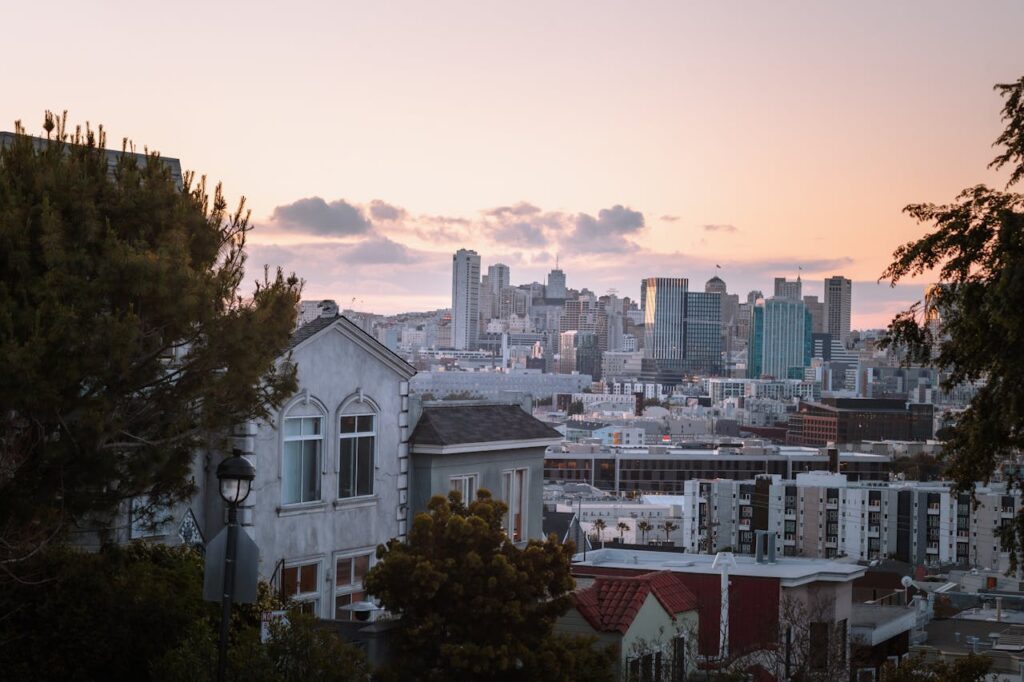
The East Bay Cost Breakdown
The East Bay, which includes Richmond, Oakland, and Berkeley, is famous for its expensive cost of living, with housing at the helm. These costs vary dramatically across neighborhoods, and routine expenses like transit, groceries, utilities, healthcare, and childcare accumulate rapidly.
Housing
- Median home value fluctuates pretty wildly by city, with Richmond hanging around $650,000, and Oakland and Berkeley regularly landing above $900,000 and $1.2 million. Rental prices follow this pattern: a one-bedroom in Richmond averages $1,800 per month, Oakland $2,100, and Berkeley $2,800, showing clear cost gaps.
- The hot housing market with limited supply and high demand drives prices to be unaffordable, particularly for young professionals and families.
- There are affordable housing options, primarily in Richmond and a few other outlying neighborhoods. Demand is high.
- Living in Richmond is less expensive than in Oakland or Berkeley, where property taxes and rent are much higher.
Transportation
Public transport, BART and buses, are extensively used, and you can buy a pass for around a hundred dollars per month. Commuters pay out-of-pocket for tolls, fuel at around $4.70 a gallon, and parking, which can easily add up to $200 to $300 a month. Bay Area locals who commute to a nearby job pay less. Proximity to major highways will bring the cost down or up, depending on traffic and distance. These choices influence the overall cost of living, which makes car-free living more appealing for some.
Groceries
One adult pays approximately $400 to $600 per month for groceries, and a family of four can expect between $1,000 and $1,500, influenced by diet and shopping habits. Suburban living costs less than city living. Farmers ‘ markets, if you have access, are great for fresh produce and reduce costs. Dietary needs, such as plant-based or specialty foods, can push budgets higher.
Utilities
Energy and water bills are between $150 and $250 per month for most homes. Internet and cable add $100 to $150. Certain cities are just more expensive because of older infrastructure. Utilities spike in summer and winter. Energy-efficient appliances and home retrofits can reduce costs.
Healthcare
Families’ insurance premiums are often over $1,200 per month, with out-of-pocket costs varying by plan and provider. The East Bay has a lot of clinics and hospitals, but costs are still more than the state average. Healthcare planning is the key to budgeting. For other California metros, costs are on the higher side and are representative of the region’s general priciness.
Childcare
Daycare and preschool fees range from $1,500 to $2,000 per month per child. These costs can really chew up family budgets, particularly those with more than one child. There are some subsidies and programs, but slots are few. Premium care drives up expenses, but it might pay off over time.
Why Is It So Expensive?
Why is it so expensive? The East Bay’s expensive cost of living is a complex stew of demand, job markets, policies, and the economy. They all contribute together to pushing up costs for housing, commuting, and even daily needs.
The Job Market
It’s this crazy East Bay job market — hardened by tech, finance, and health care firms. Almost all of them pay well, attracting talented workers globally. Salaries are seductive because they tend to raise local wages and, with them, the prices of homes and even staple goods.
Places like Oakland and Berkeley are flooded with professionals. This perpetual demand keeps prices high, with median home prices of roughly $800,000 in Oakland and $1.2 million in Berkeley. Top firms pay six-figure salaries, but not every house guest is lucky enough to be a resident. Certain work, especially service and retail work, does not track with living costs, so a good salary is a double-edged sword.
Jobs and housing demand are closely connected. As more people relocate for work, the demand for homes increases, which adds stress to an already strained market. This has made it difficult for many to secure reasonable housing.
The Proximity Factor
| Neighborhood | Distance to Major Job Hub (km) | Avg. Home Price (USD) | Avg. Commute Time (minutes) | Fuel Cost per Week (USD) |
| Downtown Oakland | 15 | $800,000 | 35 | $28 |
| Berkeley Hills | 20 | $1,200,000 | 40 | $35 |
| Concord | 40 | $700,000 | 55 | $45 |
Residing near the job centers results in less commute time and typically more expensive housing. They pay a premium for convenient access to SF or Silicon Valley. Fuel prices, tolls, and parking are steep, with fuel alone averaging $4.70 per gallon, adding to monthly budgets.
East Bay neighborhoods are hot with commuters! They may have nicer schools and more room, but these amenities cost. For the adventurous prepared to commute a little farther, homes can be less expensive, but long commutes and increased transportation costs can nullify the savings.
Distance and cost are always at play. Deciding to live farther out in exchange for a cheaper house ends up costing more and more every day in travel expenses and time.
The Local Policies
Strict zoning laws restrict what and how many new homes get built in most East Bay cities. This restricts supply and pushes up prices even as demand increases.
Local tax rates, such as property and sales taxes, add to household expenses. Rent control eases prices in some cities, but demand usually exceeds its advantages.
There are municipal initiatives to encourage affordable housing. These incentives are modest, and they’re often opposed by incumbent denizens. The disparity between what folks make and what they have to shell out to live in the East Bay just continues to grow.
A Tale Of Three Cities
East Bay’s true cost of living is shaped by housing, amenities, and culture in its three big cities. Although each is impacted by its proximity to San Francisco and the pressures of the regional tech industry, Oakland, Berkeley, and Richmond present three very different narratives. Here’s a comparison of major living expenses.
| City | Median Home Price (USD) | Avg. 1BR Rent (USD/month) | Notable Amenities | Transit Access |
| Oakland | 800,000 | 2,100 | Arts, sports, and restaurants | BART, AC Transit |
| Berkeley | 1,200,000 | 2,800 | University, museums, parks | BART, bus |
| Richmond | 650,000 | 1,800 | Shoreline parks, history | BART, Amtrak, ferry |
Oakland
Oakland’s neighborhoods—from Rockridge’s historic Victorians to Jack London Square’s industrial-chic lofts—cover a broad range of prices. North Oakland is the most expensive, with remodeled houses and close access to trendy eateries and coffee shops. Deep East Oakland and Fruitvale are cheaper, although they have experienced gentrification-driven price appreciation.
Gentrification has driven up home prices, changing the population and spurring fears of displacement. Many old timers have been priced out, and new arrivals attracted by employment and urban amenities have driven demand. This trend isn’t limited to homeownership either, with rental rates increasing consistently.
Oakland’s strong economy, supported by health care, education, tech, and logistics, offers a mix of job options. The Port of Oakland, a crucial trade hub, sustains countless skilled and entry-level jobs. With BART and regional transit access, commutes remain reasonable and residents stay connected to the wider Bay Area job market.
Berkeley
UC Berkeley fuels a big chunk of the local housing market. Student and faculty housing demand means rents frequently outpace regional averages. Certain neighborhoods close to campus, such as Elmwood and North Berkeley, are expensive, thanks to their walkability and historic character.
Berkeley’s cultural scene—bookstores, theaters, and museums—attracts residents who appreciate education and the arts. Its parks and bike-friendly streets are icing on the cake, fostering a great quality of life. The city’s public schools are well-ranked but competitive, and results vary by neighborhood.
Its median home price is the highest of the three, a statement of both supply limitations and demand. Although the cost of living is high, many locals point to the city’s intellectual and cultural vitality as reason enough.
Richmond
Richmond shines as affordable in the East Bay. Median home prices and rents are less than in Oakland or Berkeley. That’s what makes Richmond appealing for entry-level homebuyers or renters looking for a reprieve from escalating prices.
The city invests in affordable housing. Local government backs community land trusts and subsidized rental developments to keep housing affordable at various income levels.
Richmond’s shoreline parks, hiking trails, and arts spaces offer residents recreation. You can still see the city’s industrial past. The last few years have ushered in a more eclectic and creative identity. BART, Amtrak, and ferry service enhance commuter mobility.
Continued economic development, including small business support and green industry initiatives, is stabilizing costs and growing opportunities.
The Unseen Financial Drain
Residing in the East Bay, your expenses go beyond just exorbitant rents. For many locals, the real price of living here goes beyond housing costs. These additional expenses stem from the local economy, your daily habits, and necessities. These stealth costs erode savings and take the bite out of daily life, particularly for young professionals and families.
The “Bay Area Tax”
The ‘Bay Area Tax’ isn’t a government tax – it’s what you pay for stuff and services in the region. Locals pay a premium for staples like groceries, utilities, and insurance. Even easy restaurant meals and a quick trip to the dentist are more expensive than elsewhere in the city. This premium nibbles away at disposable income, leaving less to save or spend on luxuries. Tech wages can cover these expenses, but for many non-tech workers, salaries remain years behind inflated living costs. This disconnect can leave individuals pinched and overwhelmed, with money concerns a constant weight on their mind. The toll on your psyche is genuine. Perpetual stress to scrape together cash for bills and day-to-day expenses is exhausting and can cause anxiety and damage your health.
The Commuting Penalty
The East Bay’s proximity to neighboring cities delivers the “commuting tax.” Most of us commute long distances, cocooned in our cars or crammed into trains. Gas, repairs, parking, and public transit fares can easily amount to hundreds of dollars a month. Traffic makes your commute longer, which means you spend less time at home and more money on food and coffee to go. Others opt for extended commutes to save on rent, but the time and stress taxes often negate the financial benefits. Public transportation options assist, but they are not always reliable or convenient for every neighborhood, and monthly passes are still expensive.
The Childcare Crisis
- Scarcity of licensed childcare centers drives up costs
- Waitlists for affordable options can stretch for years
- Parents often patch together care from friends or relatives
- High childcare bills rival rent or mortgage payments
Hardly any families discover cheap, excellent childcare. Others have to balance work with high fees. Occasionally, one parent opts out completely. Local nonprofits and a few employers have initiated programs to assist, but availability is sparse and qualifications are stringent. Without widespread support, most families continue to have a hard time locating answers.
Your Salary Versus Reality
Average salaries in the East Bay may sound impressive when presented on paper, but the true measure is when those figures are collated with everyday expenses. The Bay Area’s cost of living exceeds the national average, largely due to housing. We want the lifestyle of families making $200,000 or more a year, but most jobs, particularly for those just getting started, don’t offer that salary. Even with tech and finance roles that pay handsomely, the distance between take-home pay and monthly expenses can be vast. For single adults, rent can gobble up a huge chunk of salary. One bedrooms typically run $1,800 per month in Richmond, $2,100 in Oakland, and $2,800 in Berkeley. Owning a home might seem unattainable, given that the median home price in San Francisco exceeds $1.5 million.
Budgeting and wise planning are essential for anyone living here. Normal expenses accumulate swiftly, and it’s difficult to save or even have leftover to save for goals. Groceries for one adult can cost anywhere from $400 to $600 per month. A family of four could easily spend $1,500. Dining out is another place where expenses accumulate quickly. The cost is $15 to $30 a meal per person on average; no wonder we can’t afford to eat out so much! Internet and cable add another $100 to $150 per month, a non-negotiable cost for nearly every home-based worker or online student.
The wage to housing disconnect is obvious. Even higher-than-average earners can end up paying a significant portion of rent or mortgages. Healthcare is yet another expense that a lot of people don’t consider. Family plans can be over $1,200 a month, on top of copays for prescriptions or visits. These realities pound upon people and families to re-prioritize. Aspirational savings, like a down payment or emergency fund, take longer to accrue when so much money is needed for essentials. For international readers thinking about a relocation, the East Bay has potential, but not without foresight and sanity about what your income really means.
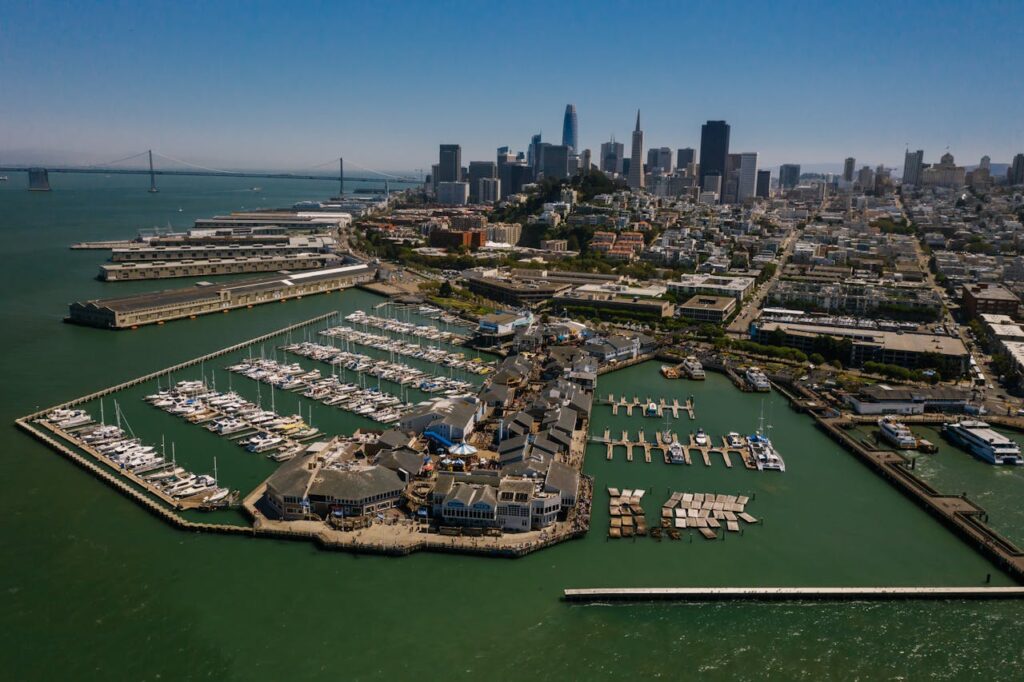
Is The Lifestyle Worth It?
One of the joys of living in the East Bay is the cultural events, art spaces, and diverse food you have access to. Museums, concert halls, and local theaters dot cities. The locale is great for parks, trails, and outdoor spaces, attracting those who appreciate an active lifestyle. Universities and colleges provide a constant flow of lectures and talks, so it’s easy to learn. Tech firms and start-ups fuel job growth, which is a pull for many in the professional ranks.
For most, the toll of this lifestyle is prohibitive. Housing is the lion’s share of that and often a lot more than elsewhere. Rent for a small apartment can become higher than in almost any other city. Homeownership carries even more precipitous costs. To retire here, folks typically require savings in the range of $1.5 to $2.5 million if they don’t own a home. Retirees can easily spend $60,000 to $90,000 per year simply to maintain. These figures indicate that strategizing is essential to considering sticking around.
Income growth hasn’t always kept pace with the cost of living. It’s possible that a single individual would have to make at least $100,000 a year in order to pay for basic needs. For families, a household income close to $200,000 is required to maintain a comfortable lifestyle. This margin between earnings and spending makes many of us wonder if the sacrifices are justified.
It’s a decision many Angelenos balance every day. Others regale with tales of extended roommate living or downscaling to a smaller home to reduce rent. Others endure longer commutes to cut housing costs. Young professionals could rent instead of buy and wait for better job offers. I know some families who scale back on vacations or dining out to balance their monthly budgets. These decisions demonstrate that the East Bay’s lifestyle is worth it, but there are real cost trade-offs, and everyone has to figure out what works for them.
Conclusion
It really puts your budget and your habits to the test. Big rent and high bills hit first, but small costs creep in fast. A night on the town or a couple of errand runs can go through your hard-earned money. Others adore the buzz, the grub, the work, and the diversity. Others have the pressure to shove them to trim down or relocate. There’s no one-size-fits-all answer. What’s really important is understanding your own deal — your compensation, your desires, your boundaries. To get smart about the East Bay’s money, talk with locals, track what you spend, and share advice. Wish to submit your own East Bay tale? Leave your thoughts in the comments and help others get real about costs.
Frequently Asked Questions
1. What Is The Average Monthly Rent In The East Bay?
For a 1-bedroom apartment, the average monthly rent is between $1,800 and $2,500, depending on the city and neighborhood.
2. Why Are Living Costs High In The East Bay?
High demand, short housing supply, and proximity to many job opportunities push up prices for housing, goods, and services in the East Bay.
3. Which East Bay Cities Are The Most Expensive To Live In?
Higher rents and higher living costs in cities such as Berkeley, Oakland, and Walnut Creek put these cities among the most expensive in the East Bay.
4. What Hidden Costs Should I Expect In The East Bay?
Unaccounted for costs include expensive transportation, increasing utilities, and local taxes. These can add up fast to your monthly budget.
5. How Much Should I Earn To Live Comfortably In The East Bay?
I’d say a gross yearly salary of at least 60,000 euros and more likely 80,000 euros will allow you to just live comfortably without the constant worry of staying afloat.
6. Is Living In The East Bay Worth The Cost?
A lot of people think the great culture, jobs, and beauty are worth it. Ultimately, it comes down to your own priorities and ambitions.
7. How Does The Cost Of Living Compare To Other Regions?
The East Bay is pricier than a lot of areas, particularly relative to national averages, by virtue of its location and amenities.
Thinking About Life In The East Bay? Sexton Group Real Estate Can Help You Feel Right At Home
If you’re drawn to the East Bay lifestyle, Sexton Group Real Estate | Property Management is ready to help you settle into a community that feels like the perfect fit. With offices in Berkeley, Oakland, and Lafayette, our team knows how each neighborhood ticks, from lively city streets to calm, family-friendly pockets with a true sense of community.
For more than 25 years, our agents have helped buyers connect with the East Bay way of life. Maybe you want weekend farmers markets, great food, and walkable downtown energy. Maybe you’re looking for parks, good schools, and a tight-knit neighborhood feel. Whatever your vision, we’ll help you match it with the right home and community.
You’ll get clear guidance from start to finish. This includes early planning, local insights, touring neighborhoods that match your lifestyle, and confident support through offers and closing. We keep the process simple and enjoyable so you feel excited, not stressed.
Ready to picture your life here?
Contact us for a free homebuyer consultation. Sexton Group Real Estate | Property Management is here to help you find your place in the East Bay.