
November 4, 2025 | Sexton Real Estate Group
For your lifestyle, how do you choose between Berkeley, Oakland, and Lafayette? Berkeley has that college town vibe with walkable streets, tons of food options, and consistent buzz from the university. Oakland wins on big city life, incredible arts, lots of opportunities, and more nightlife. Lafayette is way quieter, has great green parks, excellent schools, and a sleepy, slower vibe that appeals to families or just folks who want peace. City buzzers might lean toward Oakland, while space and calm aficionados prefer Lafayette. For a combination of both, Berkeley hits the sweet spot between energy and small-town charm. The bulk will list additional methods to compare each city for your life.
Key Takeaways
- Each city, Berkeley, Oakland, and Lafayette, offers distinct atmospheres, ranging from Berkeley’s vibrant cultural scene to Oakland’s urban diversity and Lafayette’s tranquil suburban character. It is important to align your choice with your lifestyle preferences.
- With rent and cost of living being very different between the three cities, you will want to compare housing prices, taxes, and affordability carefully to plan a budget.
- Commute options, access to public transit, highways, and bike paths all vary and impact daily convenience and quality of life.
- Community engagement opportunities — local events, volunteer work, and how inclusive your neighborhood feels — are important to consider in making a choice.
- For families, consider school quality, safety, and recreational resources. Each city offers distinctive educational and family-friendly environments.
- Knowing the local distinctions, Berkeley’s academic-family balance, Oakland’s cultural growth, and Lafayette’s suburban exclusivity will help you best position your city for your lifestyle.
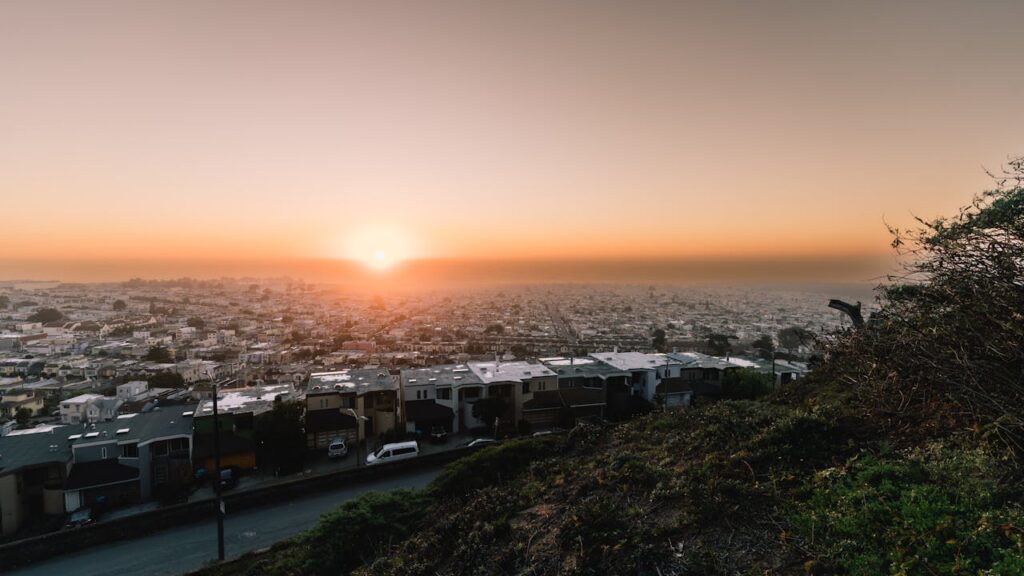
Comparing Your Lifestyle Needs
Weighing Berkeley vs. Oakland vs. Lafayette is all about comparing your lifestyle needs. They each have their own lifestyle influenced by culture, expenses, commute, community, and the outdoors.
The Vibe
Berkeley boasts a vibrant arts and music scene, with numerous festivals throughout the year attracting a colorful mix of locals and visitors alike, fueling creativity. The city’s buzz complements those with a taste for culture, academia, and proximity to thought-provoking events. Oakland’s neighborhoods offer a mix of city energy and suburban tranquility. You’ll discover neighborhoods bursting with eateries, music venues, galleries, and dog parks, plus tranquil enclaves featuring tree-lined avenues. The city’s diverse vibe attracts those who like to have options nearby. Things go more slowly in Lafayette. Streets are wide, neighbors say hello, and small local shops create a community feel. If you want peace and small-town charm, Lafayette’s neighborly optimism could be your style.
The Cost
- Berkeley and Oakland have some of the highest rents and day-to-day costs because they’re close to San Francisco and in high demand. Anticipate average one-bedroom rents to hover somewhere between approximately $2,200 a month in Oakland and over $2,800 in Berkeley. Lafayette, although more suburban, fetches premium prices, and homes can be a bit larger.
- Housing in Lafayette is frequently larger units or even single-family homes that have features such as gardens. This is in contrast to apartments in Berkeley and Oakland, which may be smaller and prioritize location.
- Local taxes and utilities can nudge living expenses upward, especially in Berkeley and Oakland, where city fees and services are priced at a premium for historical reasons relative to regional averages.
- For those who must stretch every dollar, Oakland’s diverse selection of neighborhoods offers some more reasonable choices. Carefully compare your lifestyle income with the comprehensive cost, not just rent.
The Commute
Public transport is robust in all three cities, with BART linking them to San Francisco and the greater Bay Area. Commute times can vary. From Lafayette, it’s about 35 minutes by BART to downtown San Francisco, while it’s closer to 25 minutes from Berkeley and Oakland. Oakland has convenient freeway access, and bike routes are marked in most neighborhoods. Berkeley and parts of Oakland are quite walkable, so they’re perfect if you like to walk or bike from errands to work.
The Community
Both cities provide opportunities to get involved. Berkeley’s community centers are the center of talks, workshops, and cultural events connected to the university. In Oakland, community organizations and sweat equity initiatives address anything from hunger to arts in schools. Lafayette’s local festivals and farmers’ markets are a great way to get out and connect with your new neighbors and support some local causes. Friendliness and inclusivity are high in all three, but the flavor of engagement varies. Berkeley is more academic, Oakland is more grassroots, and Lafayette is more family.
The Outdoors
Berkeley is nestled by the hills and waterfront, providing convenient access to hiking, cycling, and picturesque views. Oakland boasts large regional parks with all-level trails, and many of its neighborhoods have green spaces or are just a quick drive away from significant parks. Lafayette’s claim to fame is the Lafayette Reservoir, a serene location for walking, biking, and picnicking. Outdoor opportunities are plentiful in both cities, but they differ in magnitude and type of activity, with urban parks compared to nature preserves.
The Housing Landscape
Berkeley, Oakland, and Lafayette housing runs the gamut, influenced by history, location, and shifting market trends. Each city has its own combination of property types, price ranges, and neighborhood vibes. Grasping these specifics is essential for anyone in the market for a home that matches both their lifestyle and budget.
Architecture
Berkeley’s streets display a mixture of early-20th-century craftsman bungalows, mid-century modern homes, and shiny new apartments. The prevalence of old homes, some with bay windows and decorative trim, lends neighborhoods such as North Berkeley and Elmwood their signature appearance. Student housing and smaller apartment complexes contribute to density, particularly close to campus.
Oakland shines in its architectural diversity. Victorian houses, Art Deco buildings, and contemporary infills coexist with timeless California bungalows. Areas such as Rockridge and Temescal exhibit this diversity in only a few blocks. Certain ‘hillside’ homes offer expansive views but come with an elevated fire risk, impacting property selection and insurance.
Lafayette leans in favor of suburban tracts, dotted with sprawling single-family homes, well-kept lawns, and meandering cul-de-sacs. Land is usually still more plentiful, and homes are post-war and modern suburban in style. This more subdued environment appeals to families looking for peace.
Your neighborhood character is informed by architecture, so consider if you prefer historic charm, urban density, or quiet streets when filtering your search.
Availability
Search for a home in any of these cities, and you encounter a severe supply crunch. Berkeley and Oakland listings, particularly close to job hubs and campuses, go quickly. Rentals scoop up fast every fall as students descend and vie for scarce inventory. Lafayette’s market is smaller, with fewer rentals and more single-family homes on the market.
Neighborhoods vary in inventory. Downtown Berkeley has apartments, and Claremont boasts large historic homes. Oakland’s Fruitvale has a bit more multi-family units, and Montclair has hillside houses. Lafayette’s Burton Valley has family homes with generous gardens. New construction is a scarce commodity.
Alameda County has just three months of unsold inventory, and competition is fierce. Be on the lookout for new construction, but be aware that the vast majority of inventory is resale, not new.
Affordability
| City | Avg. Rent (2-bed, €/month) | Avg. Rent (2-bed, $/month) |
| Berkeley | €2,750 | $3,000 |
| Oakland | €2,200 | $2,400 |
| Lafayette | €2,600 | $2,850 |
Owning a home in Berkeley and Oakland can translate to expensive mortgages and property taxes. Oakland sales tax is 10.25%. Lafayette’s prices are high, but they can get you a bit more room per euro or dollar. There are affordable housing programs, but they are few and primarily directed at the lower-income or first-time buyer.
Weigh long-term costs: upfront price, insurance (especially in wildfire-prone Oakland hills), and tax rates. Young professionals could encounter high rents. Older buyers may have greater choices in purchasing.
Family And Education
For families considering Berkeley, Oakland, or Lafayette, it’s still a decision about schools, safety, and convenience. The Bay Area has a great mix of city and greenery, and families really care about neighborhoods with great schools, safe streets, and plenty of parks. Palo Alto and Mill Valley score well for families thanks to their natural access and school reputations. Berkeley, Oakland, and Lafayette all offer their own distinct advantages for those considering their options in this area.
School Systems
- Lafayette public schools are top-rated, have strong test scores, and small class sizes. A number of parents applaud the wealth of after-school programs and access to enriched curricula.
- Berkeley has some really great options and a nice mix of public, private, and charter schools. Berkeley Unified School District is inclusive-centered with language immersion, STEM, and arts pathways that draw families desiring educational flexibility.
- Oakland has put its chips on education, providing magnet and charter programs that place a strong emphasis on student wellness. Certain neighborhoods fare better, but the quality of schools differs significantly from city to city.
- For families, distance to good schools is key. Demand for nearby homes can be strong before fall and winter semesters, sometimes driving up real estate prices.
Weekend Activities
Lafayette boasts beautiful parks, hiking trails, and weekly farmers’ markets. Families hang out at the Lafayette Reservoir or at little community events, perfect for those who prefer quieter weekends. Berkeley’s family life leans more metropolitan. There are museums, outdoor festivals, multicultural playgrounds, and events throughout the year. Its convenient access to campus provides unique educational experiences. Oakland provides the Oakland Zoo, Lake Merritt, and a robust arts community, with several communities organizing weekend fairs and leagues. They all have a different tempo. Each of them offers an abundance of opportunities for families with young kids or teenagers.
Community Safety
Crime and safety ratings by neighborhood. Lafayette is one of the safest towns in the Bay Area, with neighborhood watch groups and local police interaction. Berkeley has a great community policing program, and residents are involved in safety plans, although accidents might occur more often in urban areas. Oakland’s safety is more mixed. Certain districts have improved with community engagement, but others are still struggling. Families will often consider these issues in conjunction with school quality and amenities, sometimes paying more for housing for additional peace of mind.
Work-Life Reality
Deciding between Berkeley, Oakland, and Lafayette is about work opportunities, your commute, your nightlife, and how the culture influences your non-work hours. Every city presents unique pros and cons for the working professional.
Local Job Market
Berkeley is unique for its connection to UC, which fuels research and provides stable employment and unlimited internships for students and recent grads. Tech startups congregate around the campus, attracting experienced programmers as well as new blood. Oakland’s market is more expansive, spanning from health care and education to logistics and the arts. The city’s varied economic base means professionals can discover positions at everything from mega-corporations to small, agile startups. Lafayette, on the other hand, is quieter, with fewer big employers. The vast majority of residents commute out for work, but small businesses and remote positions are increasing. Numerous networking events in Berkeley and Oakland provide opportunities to meet peers, whereas Lafayette has several smaller, community-oriented meetups.
Daily Transportation
Public transit is a hook in everyday reality. Berkeley and Oakland, with both having easy BART connections, make it simpler to get to San Francisco or elsewhere in the East Bay without a vehicle. Berkeley is bike-friendly, with designated and well-signposted bike lanes and sidewalks that promote a healthy commute. Oakland’s dispersed neighborhoods lead to higher rates of driving, but freeway access is easy. Lafayette’s BART station links it to the region, but for errands, it’s often driving. Short commutes, such as Raleigh’s average of 19.4 minutes, are uncommon, but good networks compensate for long journeys.
After-Hours Scene
- Oakland has a great nightlife, including bars, clubs, and live music.
- Berkeley is renowned for its cuisine, from restaurants and cafes to food markets.
- Lafayette’s slower pace offers parks, family-friendly outings, and scenic trails.
- Each city’s evening offerings align differently: urban energy in Oakland, cultural variety in Berkeley, and quiet relaxation in Lafayette.
Proximity to trees and green spaces, such as in Chesapeake, VA, is essential to our well-being, and both Oakland and Berkeley have numerous parks. Robust public health and health insurance coverage, like that in Minneapolis, increases quality of life.
Unspoken Local Truths
Berkeley, Oakland, and Lafayette lifestyle decisions are based on unspoken local truths. These local truths are important to understand if you’re an international reader or newcomer because each city’s personality, dangers, and opportunities have an immediate impact on your daily experience and overall happiness.
Berkeley’s Paradox
Berkeley is a city of two faces. Its identity as a world-famous academic hub attracts a steady stream of students, researchers, and global intellectuals, contributing to a vibrant, forward-thinking atmosphere. So many neighborhoods create a close-knit community for families, featuring parks, outstanding schools, and activities that captivate kids of all ages. This split personality means noise and bustling streets near campus can stand in stark contrast to the quiet of more remote locations. As homebuyers, we found the price variation mind-boggling—from small flats at approximately $72,000 to old-world mansions nearing $8 million. The housing market is at its most active around the university’s semester breaks, so it can get crazy trying to find a spot. With its many hometowns, the city’s vibrant population sustains an incredible variety of restaurants, arts and entertainment, and local merchants. While this variety creates a certain inclusiveness, it means adjusting to oscillating pulses between student cycles and family-dominated schedules.
Oakland’s Evolution
Oakland got good real fast from hell city to live city. Its evolution is punctuated by new cultural spaces, a burgeoning arts scene, and a job market in tech, health care, and the creative economy. Downtown/waterfront revitalization has attracted new residents, but gentrification too; rents are going up, and neighborhoods are becoming new identities. Crime is still higher than in other CA cities, which affects daily routines and where to live. Parking in downtown districts is limited, which can pose a challenge to car-dependent visitors. Yet Oakland’s mild climate all year round promotes outdoor exercise, and the city’s continuous investment in public assets continues to lure young talent. The wildfire and flood risk — approximately 32% of structures are at wildfire risk, and one-fifth are at high flood risk — means a little more careful research should be done before settling in certain areas.
Lafayette’s Bubble
Lafayette is perceived to be a secure, wealthy enclave. There’s a close-knit community here, with many families appreciating the quiet streets and well-funded schools. With its quasi-suburban sprawl, the city grants its residents the privilege of having bigger homes and lawns, a juxtaposition to the city’s hum. For others, this bubble is a godsend where neighbors actually do know each other and crime is almost unheard of. With expensive real estate and access to good grocery stores, cafes, and recreation, it’s a perfect fit for those looking to slow down. This insularity means fewer cultural events and less diversity than their neighboring cities. Getting to work or accessing wider entertainment involves daily journeys, which don’t work for everyone. For families or individuals desiring a laid-back life, Lafayette’s bubble can be a blessing, but it’s not for those who prioritize a vibrant, multicultural environment.
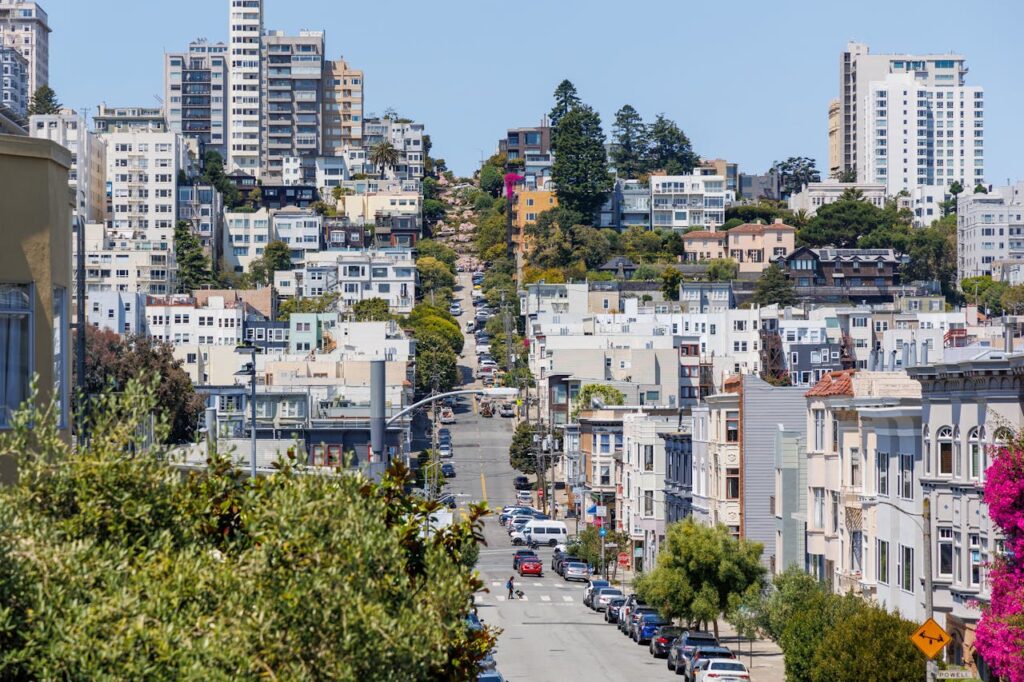
Best East Bay Places
With its combination of urban vitality, outdoor accessibility, and vibrant diversity, the East Bay has a neighborhood for every way of life. Whether you are a city dweller, crave family-friendly options, or want some peace at home, you’ll find it between Berkeley, Oakland, and Lafayette.
For Urban Explorers
Oakland’s downtown and Uptown districts attract those who crave the excitement of urban life. The Laurel District is known for shady streets and a friendly vibe. Jack London Square and Lake Merritt provide outdoor events and community spirit. Nearby Emeryville draws tech and creative workers with its start-up scene and new development.
Berkeley’s downtown core is famous for its shops, cafés, and world cuisine. The walkable design makes it a breeze to check out theaters, bookstores, and music venues. The marina district provides yet another urban meeting place with walkways and a vibrant waterfront.
Lafayette has pockets near its BART station that mix urban conveniences, such as cafes and boutiques, with a suburban tempo. These pockets allow locals to have their cake and eat it too: city conveniences and small town calm.
When selecting a spot for your urban escapades, consider how much buzz you’d like. Oakland is known for its nightlife and diversity. Berkeley offers intellectual energy. Lafayette provides a little bit of the city experience at a gentler pace.
For Growing Families
Lafayette is recognized for its best-in-class schools and green parks. The Burton Valley neighborhood is super family-friendly with its safe streets and community orientation.
Oakland’s Rockridge and Montclair neighborhoods provide excellent schools, playgrounds, and convenient proximity to both the outdoors and urban amenities. Kids get a lot of mileage out of everything from arts centers to local libraries.
Berkeley’s public schools, university events, and science museums provide a lush backdrop for families. The city’s parks, like Tilden Regional Park, offer ample outdoor space for children.
So every city provides families with its own brand of support. Lafayette provides tranquility and great schools. Oakland offers diversity and resources. Berkeley offers education and family activities.
For Quiet Seekers
Lafayette, with its peaceful hills and tree-lined streets, stands out. Places like Happy and Reliez Valleys are coveted for quiet, privacy, and bigger homes. You can walk to trails or lounge in generous gardens.
Other Bay Area locations, such as Oakland, including the hills above Montclair, provide solitude with forest vistas and proximity to the city. Nearby island city Alameda is a great alternative for those looking for a slower pace, boasting craftsman homes and a relaxed vibe.
Berkeley’s Northbrae and Claremont neighborhoods are distinguished by tree-lined streets and mid-century homes. These locations provide a serene environment and remain in proximity to urban conveniences.
The East Bay’s relative quiet gives locals a chance to retreat from urban din and still participate when they desire.
Conclusion
Choosing Berkeley, Oakland, or Lafayette is less about checklists and more about real-life trade-offs. Each location carries its own unique atmosphere. Berkeley attracts people who want walkable streets and a vibrant arts scene. Oakland offers bold food, music, and a big city pulse. Lafayette decelerates the pace and provides room, education, and silence. There are advantages to each location for families, singles, and animal lovers. No location suits everyone, but all provide an opportunity to design your lifestyle. Ask residents, stroll the streets, eat a meal, and trust what works for you. Need more tips or real-life stories from locals? Leave your questions or your own East Bay favorites below.
Frequently Asked Questions
1. How Does The Cost Of Living Compare Between Berkeley, Oakland, And Lafayette?
Berkeley and Oakland typically have more expensive housing than Lafayette. Lafayette has bigger homes for the same prices. Daily costs such as groceries and transit are similar in all three cities.
2. Which City Has The Best Public Schools?
Lafayette has excellent public schools. Berkeley has great schools, particularly at the university level. Oakland’s school quality depends on the neighborhood.
3. What Are The Main Transportation Options In Each City?
Berkeley, Oakland, and Lafayette all have BART, so commuting is not a problem. Berkeley and Oakland have more access to public transit than Lafayette, which is more car-dependent.
4. Is There A Difference In Cultural Activities Among The Cities?
Berkeley and Oakland have great arts, music, and food scenes. Lafayette is quieter but has community events and easy access to nature.
5. Which City Is Best For Families?
Lafayette is loved by families for its schools and parks. Berkeley and Oakland have more urban amenities, but they have less consistent neighborhood safety.
6. How Safe Are These Cities?
Lafayette is the safest. Berkeley and Oakland depend on the neighborhood; some have higher crime rates.
7. What Makes Each City Unique?
Berkeley is known for its university and diversity. Oakland is renowned for its culture and nightlife. Lafayette is prized for its small-town atmosphere and greenery.
Thinking About Life In The East Bay? Sexton Group Real Estate Can Help You Feel Right At Home
If you’re drawn to the East Bay lifestyle, Sexton Group Real Estate | Property Management is ready to help you settle into a community that feels like the perfect fit. With offices in Berkeley, Oakland, and Lafayette, our team knows how each neighborhood ticks, from lively city streets to calm, family-friendly pockets with a true sense of community.
For more than 25 years, our agents have helped buyers connect with the East Bay way of life. Maybe you want weekend farmers markets, great food, and walkable downtown energy. Maybe you’re looking for parks, good schools, and a tight-knit neighborhood feel. Whatever your vision, we’ll help you match it with the right home and community.
You’ll get clear guidance from start to finish. This includes early planning, local insights, touring neighborhoods that match your lifestyle, and confident support through offers and closing. We keep the process simple and enjoyable so you feel excited, not stressed.
Ready to picture your life here?
Contact us for a free homebuyer consultation. Sexton Group Real Estate | Property Management is here to help you find your place in the East Bay.