
November 1, 2025 | Sexton Real Estate Group
Here’s what we think new residents moving to the East Bay should know about our area. It has a fantastic mix of neighborhoods, transit options, and local cultures. Lots of East Bay cities, such as Oakland and Berkeley, each have their own vibe and pace, molded by local businesses, open spaces, and tight-knit populations. Traffic can get congested, so understanding BART and other public transit lines really aids in day-to-day commuting. The cost of living is higher than in other areas, particularly for rent and everyday essentials. The weather remains mild most of the year, and outdoor spaces, from beaches to hills, are within easy reach. Getting these basics down gives you a good leg up before planting roots here. The following sections provide more specifics to assist with the transition.
Key Takeaways
- There are many ways of life in the East Bay, with neighborhoods for any taste: bustling urban centers, suburban sprawl, serene hillside enclaves, and picturesque waterfront hamlets.
- Tips for new residents on what they should know before moving to the East Bay.
- Housing costs and everyday expenses differ dramatically by neighborhood, so be sure to investigate market trends, plan your budget, and learn about local taxes before you move.
- Considering the East Bay’s abundance of microclimates and natural landscapes, new residents should be aware of local weather patterns, natural hazards, and preparedness in the event of something like an earthquake or wildfire.
- Outdoor adventure is a major component of East Bay life, from downtown parks and nature trails to neighborhood community programs that promote active and eco-friendly lifestyles.
- Find ways to build community connections via local organizations, events, and online tools. This will make your experience so much richer and help you feel at home.
Decoding The East Bay Lifestyle
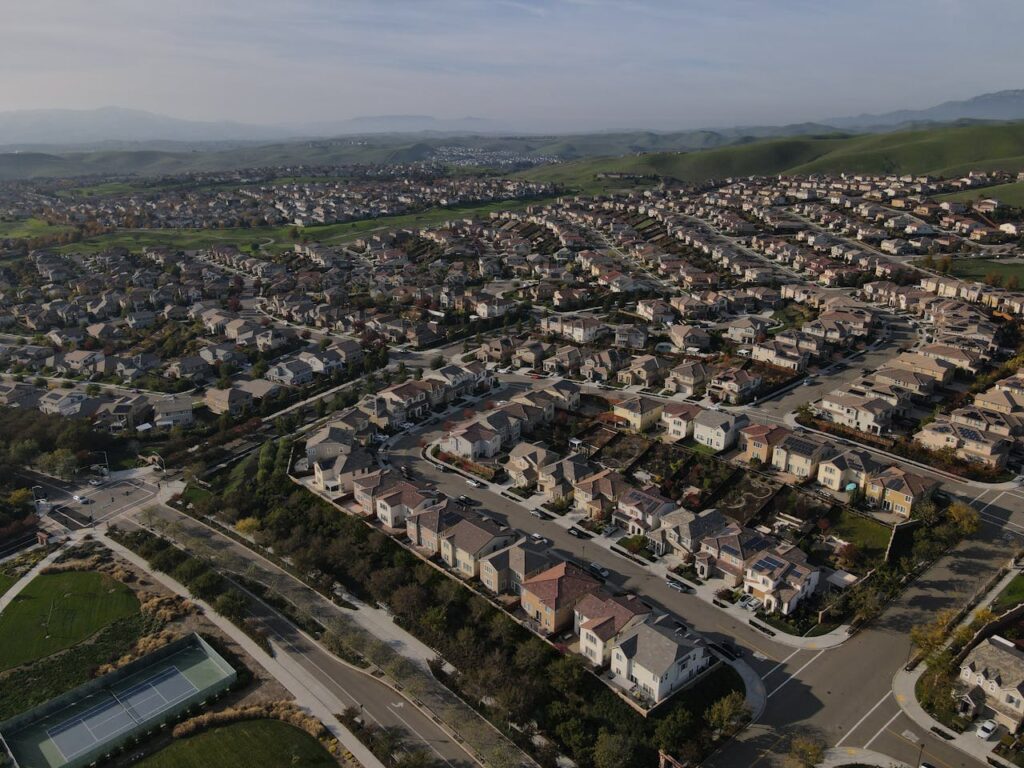
East Bay living is about being a part of a world-class region marked by cultural diversity, stunning natural beauty, and lifestyles that differ profoundly from one neighborhood to the next. We wander through a mosaic of towns that have been formed by their unique histories, their individual energy, and distinct amenities.
The Urban Core
Downtown Oakland’s vibrant city life mixes independent restaurants, nightlife, and art spaces into a lively atmosphere that buzzes 24/7. Urban luxuries include giant malls, concert halls, and museums, providing an expansive array of experiences just steps from your door. With convenient public transit, including BART lines, connecting the hub to San Francisco and other Bay Area cities, it’s easy to commute or get around car-free. The region’s blend of condos, old houses, and storefronts attracts a unique population, though parking is scarce and ordinances change from block to block.
The Inner Suburbs
Albany and Piedmont have lower violent crime and strong community involvement. Neighborhoods contain top-ranked schools, playgrounds, and family centers. Being near Oakland and Berkeley gives you access to jobs and city life on more peaceful residential streets. Parks like Tilden and local community pools are perfect for families and outdoor enthusiasts. Housing ranges from single-family homes to modern townhouses, but prices are steep. Groceries are generally 20 percent over national averages.
The Lamorinda Hills
The hills surrounding Lafayette, Moraga, and Orinda offer scenic views and a slower pace of life, perfect for anyone looking for tranquility outside of the hustle and bustle of the city. These neighborhoods cultivate close communities and have some of the area’s top schools. Trails twist through East Bay parks, tempting walkers and bikers. Boutique shops and lunch spots bring local flavor, but watch out for microclimates. Fog can sweep in unexpectedly, even on sunny days.
The 680 Corridor
This spur links suburban towns to Silicon Valley and employment centers. Locals enjoy everything from apartments to mansions and have regional parks nearby. Commutes are lengthy at rush hour, occasionally up to 75 minutes to San Francisco. Residential parking permit fees differ, but the majority are in the $40 to $66 per year range.
The Delta Breeze
The river-sculpted, open-landscape Delta draws outdoor enthusiasts for activities such as fishing, boating, and hiking. Towns here keep a casual pace, with civic events and farmers’ markets remembering farming heritage. The weather is special, with breezy afternoons and clear nights, but wildfires and earthquakes are a reality.
Key Community Events and Festivals:
-
- Art + Soul Festival (music and culture).
- Oakland First Fridays (monthly arts and food event).
- Eat Real Festival (local cuisine and culinary showcases).
- Solano Avenue Stroll (community street fair).
- Berkeley Kite Festival (all ages, outdoor).
Navigating Your Daily Commute
In the East Bay, your daily commute is dictated by a wide range of options, all of which have a variety of pros and cons for residents. With its position on the east side of San Francisco Bay, the East Bay attracts a lot of people who work in San Francisco yet want a more affordable or suburban quality of life. Whether it is choosing the right commute method or plotting your routes with care, getting your commute right can make a big difference in your day-to-day efficiency and quality of life. For professionals and families, it is all about knowing your local infrastructure, the peak travel patterns, and your options.
The BART System
BART (Bay Area Rapid Transit) is the backbone for cross-bay travel. With stops in most East Bay cities—Rockridge, Lafayette, and Orinda, to name a few—BART ties neighborhoods to work centers in San Francisco and Oakland. For most, BART’s the only choice because it bypasses stressful, uncertain highway traffic, particularly during rush hours, when jams can turn a 20-minute drive into a 40-minute drive or more. BART’s reliable timing and the fact that it’s much cheaper than driving and paying for parking are both reasons why it is so convenient and economical. Residents with stations close to home—Adams Point or Orinda, for example—can get into the city for work in approximately 30 minutes, depending on stops and transfers. BART is great for fun, providing easy access to parks, events, and shopping all over the Bay Area.
Driving Realities
You’ll sometimes have to drive, especially for people in neighborhoods not directly serviced by mass transit. Freeways and main arterials, such as through the Caldecott Tunnel, tend to get really backed up at rush hours. Know the parking limitations. Berkeley and Oakland each have their own parking zones, time limits, permits, and more. Carpooling and rideshare services can make driving alone less expensive and less stressful while reducing your environmental footprint. Staying on top of traffic alerts, road maintenance, and construction minimizes nasty surprises. Because cities like Berkeley have so many one-way streets, you really have to plan your commute ahead of time to avoid wasting time getting lost.
Alternative Transit
The East Bay’s bus systems and shuttles provide residents with additional options for their daily commute, connecting neighborhoods to BART stations and business districts. Many cities put in bike lanes and pedestrian streets, so biking or walking is doable for short excursions. Rideshare apps such as Uber or Lyft provide much more flexibility for those who need to adjust their schedules or need to get to a location not served by fixed routes. Walking or biking, particularly if your commute is under 2 kilometers, can save you time and improve your health while reducing your carbon footprint. Other neighborhoods, like Adams Point, are steps away from parks and playgrounds, inspiring greener, healthier daily habits. Ferry services and express buses add more options, especially for commuters heading to San Francisco, giving highways even more relief.
Managing Your Budget
New East Bay residents have a special dilemma when budgeting. It has an overall higher cost of living than many other places. Getting ahead and knowing where your money goes are the keys to long-term financial health. Consider this checklist when outlining your essential budget categories: housing, groceries, utilities, transportation, childcare, insurance, taxes, and savings for emergencies. Each of these will affect your daily life and your capacity to flourish in the East Bay.
Housing Costs
| City | Median Rent (1BR/month) | Median Home Value (USD) |
| Oakland | $2,300 | $850,000 |
| Berkeley | $2,700 | $1,300,000 |
| Richmond | $1,800 | $700,000 |
| Fremont | $2,600 | $1,200,000 |
| San Francisco | $3,200 | $1,500,000+ |
Rent in Oakland or Richmond is cheaper than in Berkeley or Fremont. Owning a home has higher upfront expenses, along with property taxes and insurance. Housing co-ops can get you about 20 percent below market prices, but there aren’t many to choose from. Certain neighborhoods have investment potential, particularly near transit or new construction. If you’re on a tight budget, there are affordable housing programs out there, but they have long waiting lists and are income-based.
Everyday Expenses
Grocery prices are roughly 20 percent above the national average. For one adult, grocery bills come in from $400 to $600 a month. A family of four might pay $1,000 to $1,500 a month. Eating out and going out can really add up, particularly in an area with so many choices. Local markets and discount stores can extend your budget. Utilities like electricity and water might not be included in rent and can run $150 to $300 monthly. Maintenance costs, particularly for older homes, are a reality that is often underestimated. Earthquake retrofitting, which we needed for safety reasons, adds $4,000 to $7,000. Save for an emergency; they always find a way.
Local Taxes
- Income Tax: California’s state income tax rates vary by income bracket and can be significant.
- Property Tax: Homeowners pay annual property taxes, typically around 1.25 percent of assessed value.
- Sales tax ranges from 8.75 percent to 10.25 percent, depending on the city.
- Local Fees: Some cities add special assessments for schools, parks, or public services.
Property taxes are particularly pertinent for homeowners and can affect your budget. Local sales taxes impact day-to-day buys. Certain neighborhoods might have extra charges for emergency services or infrastructure work. Taxes and fees should always be considered when you are budgeting for the long term.

Understanding The Landscape
The East Bay, within California’s expansive Bay Area, blends urban life with untamed hills and coastal lowlands. Each of the area’s six sub-regions flaunts its own mix of culture, real es, and climate. They need to get a feel for the region’s idiosyncratic weather patterns, natural hazards, and outdoor activities so they can make intelligent pre-move decisions.
Microclimates
| Neighborhood | Avg. Summer Temp (°C) | Avg. Winter Temp (°C) | Notable Features |
| Oakland Hills | 22 | 9 | Foggy mornings, cooler |
| Berkeley Flats | 21 | 10 | Mild, breezy |
| Walnut Creek | 32 | 5 | Hotter summers, dry |
| Richmond | 19 | 8 | Coastal, fog-prone |
| Fremont | 27 | 7 | Warm, less fog |
Residents never forget that “Karl,” the infamous Bay Area fog monster, can blow in and cool things off even when the thermometer is bursting with heat. Choosing where to live means thinking about these swings: a home in the hills may need more heating, while flats near the bay stay mild year-round. Microclimates guide local flora and fauna — redwoods favor foggy valleys, oaks, and warmer inland slopes. Even everyday activities like choosing an outfit or scheduling a picnic can be influenced by these fast-moving weather changes.
Natural Hazards
- Secure heavy furniture and appliances to wall studs.
- Maintain a stocked emergency kit with sustenance and first aid.
- Know your safe spots for shelter during an earthquake.
- Practice evacuation drills with family or housemates.
Wildfire risk increases in dry, hilly locations, particularly in late summer. Know your landscape. Homeowners should clear brush, install ember-resistant vents, and check local fire maps. Certain neighborhoods, particularly near creeks or at the bottom of hillsides, could be susceptible to flooding in wet seasons. Knowing whether you are in a flood zone and having flood insurance can save you trouble. Many towns offer disaster-prep workshops and community response groups, both of which help build skills and connections.
Outdoor Access
The East Bay’s park system provides more than 490 square kilometers of open space, from Redwood Regional Park’s towering trees to Crown Memorial’s sandy shores. People love to hike, bike, and even do urban gardening here. Many cities have protected green corridors and restored habitats, keeping both the air and water cleaner for all. Community events, ranging from clean-up days to guided nature walks, unite participants and reinforce connections to the earth.
Choosing Your Home Base
Selecting your home base in the East Bay involves considering your lifestyle, your daily needs, and the type of community that resonates with you. The East Bay stretches across a spectrum of neighborhoods, from urban to tranquil and tree-lined. These range from city-center apartments in the urban core to garden single-family homes in LaMorinda and Walnut Creek. The climate is balmy and sunnier than San Francisco’s, which is perfect for active outdoor enthusiasts. Commutes into San Francisco can be relatively fast, around 20 to 30 minutes, depending on your origin and mode of transit. There’s a ton of variation in the cost of housing as well, with average prices ranging from $2,100 to $5,100 per month. These influences not only affect day-to-day life, but also your entire life living here.
For City Lovers
If your soul demands a city, East Bay neighborhoods like Oakland’s Rockridge or downtown Berkeley are lively places to live. Rockridge is famous for its ethnic eateries, eclectic boutiques, and a community that welcomes the old and new. Berkeley is unique for its blend of art, music, and regular cultural festivals that attract individuals from diverse backgrounds.
With Berkeley and Palo Alto, that means living in or near these dormitory towns, where public transit and walkability are a way of life. Other residents stroll to cafes, barhop, and participate in community events that unite neighbors. It is this combination of urban convenience and creative spirit that characterizes these neighborhoods.
For Growing Families
Suburban communities such as Alameda and Walnut Creek are a hit among families. Alameda, located on an island close to Oakland, is prized for its kid-friendly vibe and somewhat lower housing costs. Walnut Creek is coveted for its safe neighborhoods and excellent schools, lush green parks, and larger homes with backyards.
Parents seek out homes with lots of room for the kids to run and play, community centers, and local events to provide families with a connection. The mix of tranquil roads, local boutiques, and short drives to Manhattan attracts seekers of serenity and proximity.
For Quiet Seekers
Those seeking a slower rhythm gravitate to LaMorinda or the shady avenues of our suburban towns. These places seem tranquil, with spacious lots and an abundance of convenient parks and open space. There’s a powerful sense of safety and community. Neighbors know each other and come together for quiet gatherings.
Quiet seekers typically like small libraries, walking paths, and parks. These are not party communities; they are about routine, your own room, and comfort.
Finding Your Community
By moving to the East Bay, you’ll become a part of the 2.5 million people residing throughout a diverse combination of bustling cities and peaceful suburbs. Each neighborhood has its distinct vibe, spanning from the metropolitan heartbeat of Downtown Oakland to the family-oriented peacefulness of Adams Point, which is home to a top-rated elementary school and a tight-knit community. If you desire a hybrid identity, Rockridge provides a fusion of Berkeley’s foodie buzz and Oakland’s artsy vibe. This means understanding what makes each area tick and envisioning how your interests fit in.
Engage With Local Organizations And Clubs To Build Connections In Your New Neighborhood.
Local organizations are the foundation of East Bay existence. Many locals sign up for neighborhood pools, participate in swim teams, or community gardens. Clubs range from tech meetups and book groups to sports, hiking, and language exchange. These groups are the quickest way to connect with like-minded people. In the East Bay Regional Park District, outdoor clubs regularly lead hikes and clean-ups, providing opportunities to socialize as you explore the region’s natural beauty.
Attend Community Events And Gatherings To Meet Fellow Residents And Learn About Local Culture.
Art walks, music nights, and seasonal festivals pepper the calendar here. These aren’t just for entertainment; they expose you to what’s important to your neighbors. From the food truck meetups in Oakland to street fairs in Berkeley, you witness the area’s diversity. The East Bay’s international food scene is molded by chefs who fled San Francisco for cheaper digs and an opportunity to feed a new audience. These local cultural celebrations give you a taste, quite literally, of cuisines from across the globe and participation in traditions you may not be familiar with.
Explore Volunteer Opportunities That Allow You To Give Back And Integrate Into The Community.
Volunteering is a practical way to plug into East Bay life. Food banks, shelters, and schools are happy for assistance, while environmental organizations require volunteers for park clean-ups and tree planting. Volunteering brings you together with people from all different paths of life and shows you what your new neighbors are passionate about.
Utilize Social Media And Online Platforms To Stay Informed About Happenings In Your Area.
Online forums and local groups on social media keep you in the loop about events, safety alerts, and transit route changes. You can discover suggestions for local services, eateries, and secret gems at your disposal. Platforms such as Nextdoor or neighborhood Facebook groups link you with locals who are familiar with the region’s idiosyncrasies, from microclimates to the most efficient public transit routes.
Conclusion
To begin your East Bay life, understand that the small stuff matters. Traffic seems bustling, but neighborhood trains are punctual. Rents swing by the block, but you find deals if you look. Beautiful green hills are to the east, and water is to the west. Each town has its own vibe, ranging from laid-back to fast. We have food coming in from everywhere, from tiny little taco shops to some of the top sushi places. Friends arrive from the office, neighbors, or local clubs. You just have to show up, ask questions, and join in. East Bay life moves fast, but it still makes space for newcomers. Desire to ease the transition? THOUGHT OF THE DAY: Tell us your tips or stories! Your feedback makes the next person feel at home as well.
Frequently Asked Questions
1. What Is The East Bay Known For?
From its diverse communities to its vibrant culture and access to outdoor activities, the East Bay has a lot to offer. In addition to fantastic restaurants, art, and stunning parks, there’s something for everyone in this town.
2. How Is Public Transportation In The East Bay?
BART is amazing. BART and buses link the majority of neighborhoods to San Francisco and adjacent cities for commutes.
3. Is Living In The East Bay Expensive?
The cost of living differs by location. It is typically less than San Francisco. Housing, transportation, and daily expenses may be different, so budget accordingly before you move!
4. What Types Of Neighborhoods Are Available In The East Bay?
The East Bay has something to offer everyone, from bustling urban neighborhoods to calm suburban enclaves. All have their own personality, amenities, and price points to suit different lifestyles and tastes.
5. Are There Good Schools In The East Bay?
Yes, the East Bay has some great schools and universities. There are both public and private schools, with good options available.
6. What Should I Know About The Climate In The East Bay?
The East Bay has a generally mild Mediterranean climate. Summers are warm and dry, and winters are cool and rainy. Dress accordingly; layers are usually a good idea.
7. How Can I Find My Community In The East Bay?
Check out local events, community groups, or recreational activities. Something about the East Bay just makes it easier to meet people and make friends.
Thinking About Life In The East Bay? Sexton Group Real Estate Can Help You Feel Right At Home
If you’re drawn to the East Bay lifestyle, Sexton Group Real Estate | Property Management is ready to help you settle into a community that feels like the perfect fit. With offices in Berkeley, Oakland, and Lafayette, our team knows how each neighborhood ticks, from lively city streets to calm, family-friendly pockets with a true sense of community.
For more than 25 years, our agents have helped buyers connect with the East Bay way of life. Maybe you want weekend farmers markets, great food, and walkable downtown energy. Maybe you’re looking for parks, good schools, and a tight-knit neighborhood feel. Whatever your vision, we’ll help you match it with the right home and community.
You’ll get clear guidance from start to finish. This includes early planning, local insights, touring neighborhoods that match your lifestyle, and confident support through offers and closing. We keep the process simple and enjoyable so you feel excited, not stressed.
Ready to picture your life here?
Contact us for a free homebuyer consultation. Sexton Group Real Estate | Property Management is here to help you find your place in the East Bay.