
September 27, 2025 | Sexton Real Estate Group
Most tenants eventually need to tell their landlord or property manager about something that needs fixing, but many hesitate out of fear of damaging the relationship or facing pushback. The key is to keep it clear, calm, and respectful. Share specific details, use neutral language, and stick to the facts. A short note or a polite conversation usually works better than a long complaint.
Many landlords actually appreciate hearing about problems early so they can address them before they get worse. Approaching the situation with fairness and honesty helps both sides. In the next section, we’ll go through practical steps renters can take to report repairs or concerns while keeping the landlord-tenant relationship on good terms.
Key Takeaways
- Just review your lease and local tenant rights to be sure what legal protections you may have, especially as it relates to maintenance, habitability and safety in CA.
- Evaluate the seriousness of any rental issue by whether it affects health, safety and daily life, and convey that urgency to your landlord with concise, objective language.
- Be a diplomat with your landlord — keep a respectful, professional tone, and report issues concisely and well-documented, including visuals when appropriate.
- Frame your concern from the perspectives of both the tenant and landlord, and make it cooperative, acknowledging landlords’ interests while stressing you’re simply looking to comply with your legal duty.
- Document everything and when necessary, push back through mediation, complaints, even legal counsel — as appropriate to your situation and local processes and deadlines.
- Once your problem is dealt with, keep logging encounters and thanking staff — this will help maintain a good landlord-tenant rapport going forward.
Understand Your Position
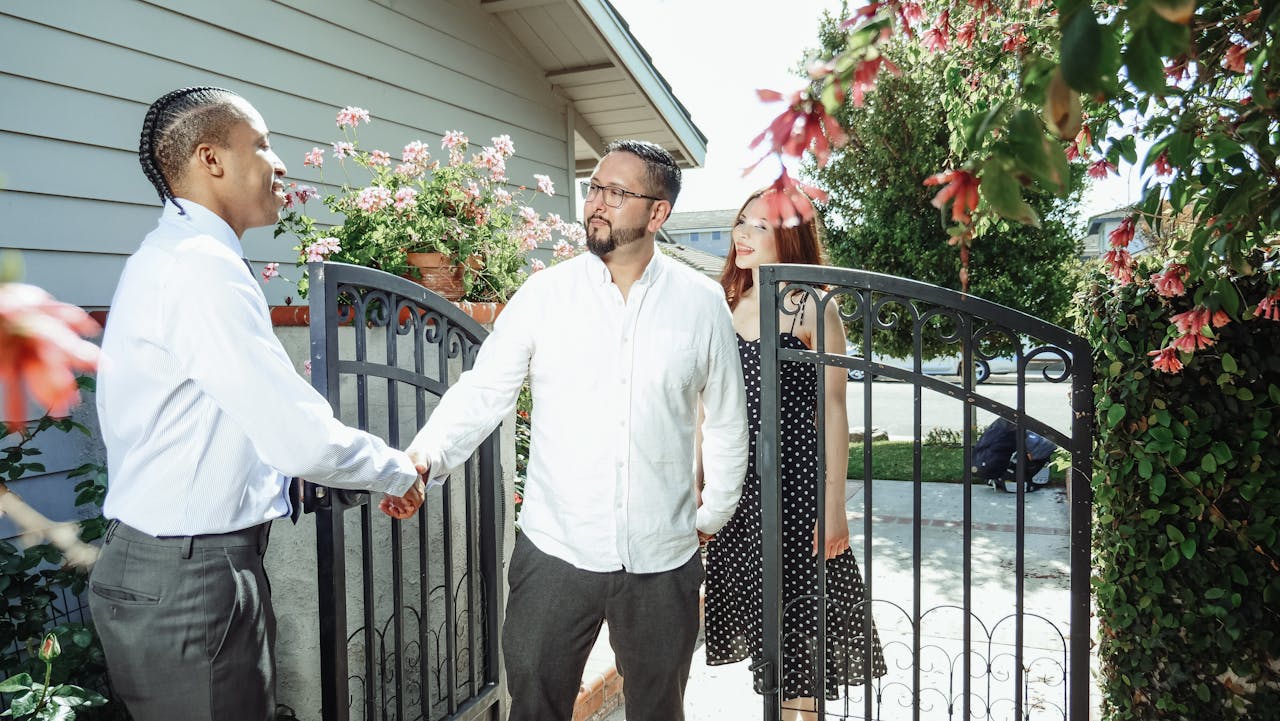
Understanding your position as a tenant isn’t just about paying rent on time. It outlines your rights, your landlord’s obligations, and how your lease describes both. This background provides you a powerful lead-in before you sound off, assisting you defend yourself and maintain a good rapport with your landlord or property manager.
The Lease
| Key Lease Term | What It Means for You |
| Maintenance Clause | States who fixes what. Usually, the landlord handles big repairs. |
| Repair Response Time | Sets how long the landlord has to make repairs—could be a few days to weeks. |
| Safety and Habitability | Promises a safe place to live, free from hazards and code issues. |
| Notice Requirements | Tells you how to report issues—often in writing, by email or letter. |
Watch for health and safety clauses. If there’s mold, leaks or faulty wiring your lease probably says these must be fixed quickly. Breaking these terms can lead to punishments for either side. If your landlord neglects his responsibilities, you possibly have something. Keep a copy of your lease handy — paper or digital — for quick reference when discussing with your landlord.
Tenant Rights
- California law shields you from unjust eviction, discrimination and harassment. Landlords cannot kick you out or go after you for reporting issues.
- You deserve to live in a secure, cleanly maintained dwelling. Laws demand landlords repair leaks, broken heaters or unsafe wiring quickly.
- A few cities tack on additional regulations, such as rent controls or expedited repair deadlines. Consult your local rules for specifics.
- Nonprofits and legal aid groups can both answer questions and assist you in understanding what you can do if you feel your rights are being overlooked or violated.
Issue Severity
- Minor: Dripping tap, loose doorknob—unpleasant, but not urgent.
- Moderate: Broken window lock, faulty appliance—affects comfort or security, needs fixing soon.
- Severe: No heat in winter, gas leak, exposed wires—dangerous, needs fast action.
Serious problems may damage your health or safety. Some issues might require taking action immediately, whereas smaller issues can be saved for the next maintenance round. Emphasize the immediacy of the problem. If you can, maintain a record of what transpired and when you informed your landlord. This history assists if you require additional assistance.
The Art of Diplomatic Reporting
Reporting rental concerns in a way that maintains the relationship is tough. A diplomatic approach is clear, polite, and professional—but it also understands your rights and the limits of the law.
1. Initial Contact
A good beginning can color the rest of the dialog. Show appreciation for the landlord’s time or maintaining the property. Even if they’re not perfect, demonstrating that you recognize their effort helps establish a congenial tenor. Describe what’s wrong, but adhere to the facts—no embellishing. For instance: “The heat has been out since last week and the apartment has been under 18 most days.” Open-ended questions such as, “What do you think would be the best way to fix this?” encourage collaboration.
2. Gentle Follow-Up
If you don’t hear back, a courteous reminder can assist. Thank your landlord once again for their consideration, and supplement with any additional information that may help shed light on the issue. For instance: “Since my last note, the leak has expanded, and I’ve attached a picture.” Waiting is hard, but patience and insight keep the dialogue open.
3. Formal Notice
When problems persist, it’s time for a paper notice. Put it in writing, cite your lease, and request that the problem be remedied by a certain date. Be sure to keep a copy of what you send.
4. Clear Documentation
Save every message between you and your landlord. Take a picture or video if the issue is visible, such as mold or a broken lock. Maintain a request-responses ledger. Organize everything chronologically—this way you’ll have a clear record if you ever need it.
5. Proposed Solutions
Propose solutions that benefit both sides. You could volunteer to be home for repairs or recommend a reliable handyman. Be sure to ask for your landlord’s thoughts as well—this keeps the conversation collaborative and constructive.
Crafting the Perfect Report
A good rental issue report establishes the tone for positive landlord-tenant relationships, while making sure the issue is both clear and actionable. Hit them with cold hard facts and requests in a cold hard logical neutral way. Start with a brief summary of the problem, followed by information presented in logical order for convenient examination.
Key elements to include in your report:
- Date of the report and your contact information
- A quick summary of the problem, with relevant dates and events
- Any previous communication or actions taken
- References to relevant lease clauses or applicable local laws
- Clear request for resolution and a reasonable deadline
- Supporting visual evidence, if available
- Documentation of all correspondence
Professional Tone
A report should be formal throughout. ALWAYS use a respectful greeting and closing. This can help keep the conversation at a professional level and avoid miscommunications. Make it sound like you want to address the issue, not go after the landlord. Steer clear of language that sounds angry or personal. Respect oriented, instead of control oriented, focusing on respect can help keep the relationship positive, even when issues arise.
Factual Language
Explain the issue in plain language. Don’t say ‘the place is always cold,’ write ‘the heater hasn’t worked since 3 May 2024.’ Be specific, such as the times and dates that it happened. If there have been other notices or other efforts to repair the issue, note those too. Cite lease terms or local rules, like rent control or safety mandates, to demonstrate that you know your rights and the landlord’s responsibilities. Stay, as always, with what occurred, not with your feelings about it. This makes it credible and gives less space to argue.
Visual Evidence
Include clear, crisp photos or diagrams if you are able. Photos should reveal the problem in specific terms—such as water stains under the kitchen sink or broken window locks. Add captions to describe what each figure illustrates and why it’s important. Well-lit, close-up photos help your landlord figure out the issue without dropping by. Tag each photo with date taken and short notes. Visual evidence will really beef up your report if it ever has to be used in court or with a housing authority.
The Landlord’s Perspective
They’ve Got to Find a Balance Between Tenant Happiness, Property Value & Legal Liability Their choices are driven by expense, time, and tenant stability. Knowing these pressures allows tenants to frame concerns in a way that promotes pragmatic solutions and maintains goodwill.
Their Priorities
Most landlords care about two things: keeping tenants satisfied and protecting their investment. Problems that jeopardize the property’s safety, cleanliness, or structure are prime concerns since these impact both tenant satisfaction and long-term property value. For instance, prompt fixes on heating or plumbing avoid larger expenses and demonstrate to tenants that they matter.
Positioning your concern in terms of a mutually beneficial solution is more effective than just emphasizing your own need. If a repair will stave off damage, note how promptness safeguards the property and furthers the landlord’s objectives. Tenants who demonstrate that they understand the landlord’s interests—like low turnover and a good reputation—are often met with quicker, more cooperative results. For instance, highlighting how quick fixes can inhibit complaints to local authorities and keep the landlord out of court can instill a sense of urgency.
Prompt replies to requests count. A reactive landlord can minimize turnover and steer clear of allegations of stolen security deposits or neglected repairs. Transparent, shared knowledge fosters confidence.
Communication Style
Mirroring your landlord’s favored communication style—email, phone, or face-to-face—can establish good rapport. If they are quick to reply via text, use that for urgent communications. Certain landlords like scheduled meetings or written requests for records.
Note your landlord’s response. If they sound hurried, make your messages concise. Specific grievances can be best in writing. Use language that’s solution-focused and on finding common ground, not blaming. For instance, ‘repairing the leak maintains your property desirable’ beats a laundry list of grumblings.
A straightforward, polite manner facilitates obtaining aid. When both sides feel heard, even tough conversations flow more easily.
Legal Duties
Landlords have serious legal obligations. Laws frequently allow them up to 45 days to remedy issues, but this differs. They have to maintain the property in a secure, sanitary and livable condition–this is known as the implied warranty of habitability. Neglecting these responsibilities can result in lawsuits, fines or even government intervention.
If you need to cite a law, be precise. For instance, reference the local rule on security deposit returns if that’s your concern. Remind them, politely, that staying on top of repairs and treating them fairly is not just good business—it’s the law. If it’s discrimination or harassment, say these are egregious violations and you expect full compliance.
Defined expectations regarding legal obligations avoid conflict and maintain a positive landlord-tenant relationship.
When Diplomacy Isn’t Enough
Escalation is required when reasonable dialogue with a landlord does not produce much-needed action – particularly when unaddressed problems impact essential standards of living. Issues such as untreated dangerous situations—consider no heat in winter or neglected broken appliances—indicate that nice talking might be done. After roughly 45 days of waiting for a fix, or if the landlord declines to return a security deposit, however, tenants typically need to resort to more formal solutions. In most areas, this is covered by the implied warranty of habitability, which assures healthy, safe housing. If a landlord violates this by neglecting repairs, it’s then time to look past direct discussion and toward more formal, outside assistance.
Mediation First
Mediation is a good pre-complaints/legal step. This step gets the tenant and landlord working with a neutral third party, hopefully toward an equitable agreement. Mediation is less confrontational, which maintains relationships and enables both parties to conserve time and money.
Exploring your local mediation resources, particularly those that focus on landlord-tenant conflicts, can expedite this process. Most cities have government-sponsored or nonprofit mediation centers. These organizations know housing law and can help have candid conversations.
Position mediation as collaborating, instead of opposing. For instance, if a landlord takes his or her time fixing a leaky faucet, mediation gives you an opportunity to set some clear expectations and timelines. Being open to meeting in the middle is crucial. A tenant might agree to some repairs, or the landlord could provide a rent discount while repairing.
Formal Complaints
If mediation fails or the landlord is unresponsive, you should proceed with a formal complaint to local housing authorities. It’s an option we sometimes employ when there are violations of fundamental living conditions or persistently unresolved problems.
Collect any related documentation — such as written repair requests, photos and correspondence. This proof is essential to supporting your grievance.
Know the local customs and deadlines. Each jurisdiction could have distinct types, due dates, and procedures for pursuing. As always, verify the requirements with the agency.
Follow up after applying. They deal with a lot of cases, so they’ll appreciate your pre-emptive communication to make sure yours doesn’t fall through the cracks.
Legal Counsel
Chronic problems or abuse — such as frozen deposits or hazardous dwellings — might need assistance from a tenant lawyer. Legal experts can walk you through your rights and the optimal route moving forward, including small claims court if the disagreement involves a defined amount.
Go over costs, outcomes, and time-frames with your attorney. Going to court is generally more complicated and should be balanced against the potential rewards.
If it comes to court, make your case easy to follow. Bring all relevant documentation and be prepared to describe your experience in a clear, articulate way.
Preserving the Relationship Post-Report
Once you’ve reported a rental problem, preserving the relationship with your landlord requires a measured, thoughtful approach. Respect and communication too much credit can be given—thanking your landlord for swift action or attention post issue expresses respect for their time and effort. A quick thank you note can do wonders in making both sides feel noticed and appreciated. For instance, once the fixes are implemented or a noise complaint is addressed, a quick ‘Thanks for getting this sorted so quickly‘ can go a long way in establishing good feelings for the next interaction.
A checklist can help you keep things on track after you report a problem. First, maintain a clear record of what was reported and when — photos, emails, written notes. Second, once the matter is resolved, shoot a note to close the loop – THANK your landlord! Third, request transparency on any modifications to the procedure or guidelines post-fix—this prevents confusion the next time. Fourth, follow any new guidelines, like keeping music low after 22:00 or setting guest limits, to show you’re willing to meet halfway. Fifth, leave room for feedback or updates, like reading your monthly newsletters or responding to your landlord’s check-ins. These steps assist both sides understand requirements and establish a route for reduced inconveniences afterward.
Maintain a record of every contact, even after the issue is resolved. This translates to saving emails, jotting down notes post-call, and retaining copies of any new contracts. Good documentation helps keep things equitable and transparent for you and the landlord. So, for instance, if your landlord visits, you should receive at least 24 hours written notice (voicemails don’t prove it). If you don’t think rules are transparent, insist on having them in writing before you put your name down. Such care keeps you out of trouble and earns trust.
Remain diplomatic with every new snag. Calm words, concentrate on the facts not the blame. If your landlord does routine inspections or improvements, reply cordially. If a community newsletter is published, read it, stay current. Preemptive measures and a consistent, equitable method keep us all aligned and maintain the peace in the long run.
Conclusion
If you want to keep things smooth with a landlord, clear talk is what matters most. Pay respect and keep your cool. Report issues with facts, not accusations. Fixing stuff begins with a good report. Plain language gets the point across on both sides. If you have to push harder, remain polite. Most landlords like to repair issues, not create anxiety. Once you do report, check in, thank them, and keep it friendly. Straightforward communication and some patience can work wonders. Good renters can keep ties strong, even when the going gets rough. Do you have a rental talk story/tip? Leave it in the comments and assist others in dealing with these bumps more stress-free.
Frequently Asked Questions
1. How can I report rental issues without causing conflict?
Utilize friendly, concise phrasing. Stick to facts and solutions. Don’t lay blame. Show gratitude for your landlord’s assistance. This way respects and keeps everything positive.
2. What details should I include when reporting a rental issue?
Include what the issue is, when it began, and how it impacts you. Include any action you’ve already taken. Send photos if you can. Specifics make it easier for your landlord to comprehend and respond quickly.
3. Why is it important to see things from the landlord’s perspective?
Knowing your landlord’s struggles helps build trust. It demonstrates that you care about the relationship. Not only can this result in swifter, more amicable resolutions, it can minimize confusion.
4. What should I do if my landlord does not respond to my report?
Follow up politely. If not, see your rental agreement. You’ll perhaps have to call local rental authorities or tenant groups.
5. How can I keep a good relationship with my landlord after reporting issues?
Be polite and patient. Thank your landlord for even the smallest action taken. Be open in your communication and remain solution-driven. This keeps faith and collaboration intact.
6. When should I escalate a rental issue beyond my landlord?
If safety is at risk, or if multiple courteous reports are ignored, think about legal support or reaching out to local officials. Make sure you’ve documented your efforts before escalating.
7. Can reporting issues affect my chances of lease renewal?
If you report issues respectfully and reasonably it shouldn’t affect renewal. Almost all landlords love tenants who treat the place with respect and report issues before they become real problems.
Thinking About Renting In The East Bay? Sexton Group Real Estate Is Here To Guide You Every Step Of The Way
If you’re ready to rent in the East Bay, Sexton Group Real Estate | Property Management is the trusted local partner you need. With offices in Berkeley, Oakland, and Lafayette, we specialize in helping renters find the right place to call home, whether you’re leasing for the first time, relocating, or searching for something that better fits your lifestyle.
With over 25 years of market experience, our agents understand the unique neighborhoods and communities that make the East Bay special. From vibrant downtown apartments to quiet residential homes, we’ll help you find a rental that suits your budget and way of life.
We offer personalized support throughout the process—from understanding your needs and showing properties to navigating applications and securing the lease. Sexton Group Real Estate makes renting in the East Bay feel less stressful and more rewarding.
Ready to find your next home? Contact us today for a free rental consultation. Let Sexton Group Real Estate | Property Management help you rent with confidence.