
August 31, 2025 | Sexton Real Estate Group
Key Takeaways
- Apply strategic pricing: You can maximize returns on your East Bay rental property by implementing strategic pricing, which involves continually monitoring local market trends and adjusting rent to stay competitive and profitable.
- Cultivating tenant retention with quick responses, great service, and clever incentives will minimize turnover expenses and maintain a reliable cash flow.
- Put your money into smart upgrades that make your unit more energy efficient, and add modern conveniences — these will increase your property’s value and attract higher-quality tenants around the world.
- Being proactive about maintenance — including regular inspections and using technology to help you keep track — will save you from expensive repairs and will keep your tenants happy.
- By staying informed on local regulations and demographic trends, you’ll be able to fine-tune your property offerings, stay within the law, and better appeal to your target audience.
- Exploiting technology for property management, marketing, and online communication will simplify your business, invigorate tenants, and ensure sustainability.
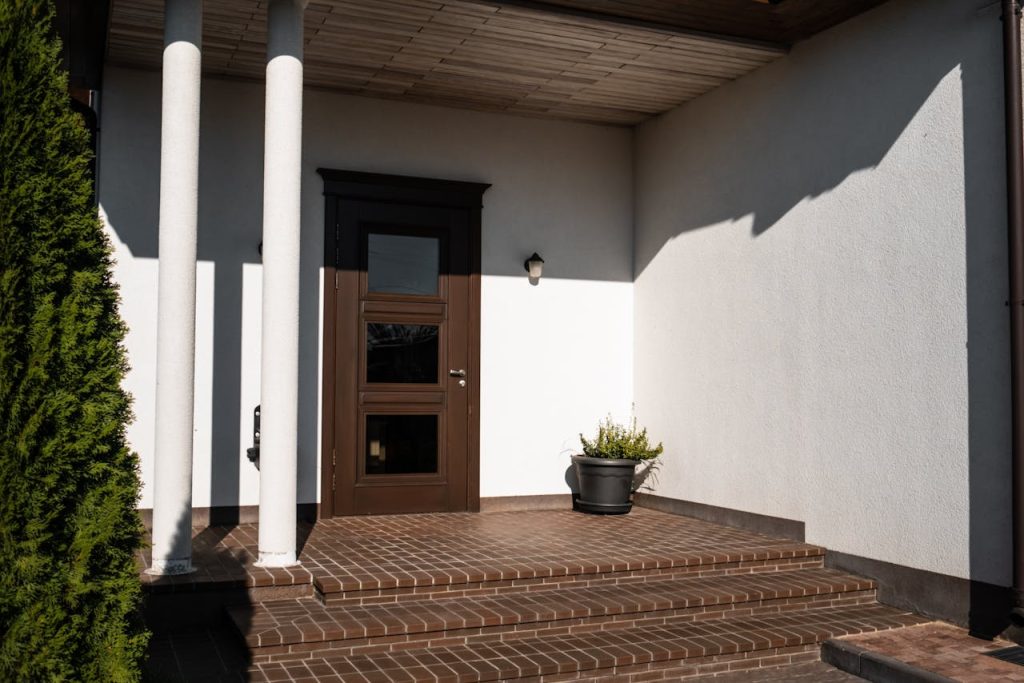
5 ways to maximize roi on your East Bay rental property permit you to increase your bottom line, maintain your unit in tip-top form, and attract the ideal renters. You are confronted with ever-increasing costs, stringent regulations, and ferocious market demand in the East Bay. So to achieve the highest return, you’ve got to select upgrades that count, price fair rent, screen well, stay on top of repairs, and monitor market trends. These tips assist you in slashing expenses, increasing rent, and filling units. You discover where to invest your dollars, how minor updates aid, and why tenant pampering yields. Next, you receive actionable advice and concise data to guide you in making intelligent decisions about your property.
Maximize Your East Bay ROI
To maximize your East Bay rental property ROI, a strategy that combines market knowledge, attention to tenants, and regular property maintenance is essential. The East Bay, known for its culture, nature, and proximity, is an area where people desire to live. This desirability translates into a well-managed property generating a strong ROI. Implementing proactive upkeep and strategic upgrades at the right time helps you seize value in a changing market, ensuring your rental investment continues to serve you.
1. Strategic Pricing
Setting the right rent starts with knowing your market, especially in the context of rental property upgrades. Research existing listings and monitor how prices change over the seasons, particularly spring and early summer, when competition is highest, as buyers scramble to settle into a new home before school starts. A deep dive into proximate rentals allows you to understand what renters are willing to pay in the area for comparable homes, including whether they have in-unit laundry or parking spaces. Innovative rent adjustments for property improvements, such as upgraded appliances or energy-efficient lighting, can differentiate your property and enhance tenant satisfaction.
A smart pricing plan keeps your place competitive, particularly in the rental property market. Think seasonally—increase rates during high demand periods and lower them when vacancies increase. Don’t set it and forget it—check your pricing at least annually or whenever local market data shifts. Staying on top of market trends leads to fewer vacancies and more consistent cash flow.
2. Tenant Longevity
Good tenants, well, they just make all the difference. Cultivating these relationships with frequent check-ins and small tokens of appreciation keeps the lines of communication open. Joyful tenants renew LEASES, saving you turnover and vacancy costs. Easy lease incentives, such as a small rent concession for multiple-year leases, help promote extended duration commitments.
Take care of maintenance requests immediately to maximize comfort and demonstrate you value them. A prompt response to even the smallest inconvenience makes tenants feel special and less likely to run. Tenant screening is crucial—look for renters who show a track record of long-term stays and timely payments. This lowers the chance of late payments or property damage.
3. Smart Upgrades
Pick upgrades that combine value and pizazz. Energy-efficient upgrades, such as LED lighting or double-glazed windows, can reduce utility costs while appealing to environmentally-conscious tenants. Focus on visible, functional upgrades: fresh exterior paint (ROI 55-70%), new landscaping (ROI 70-100%), or a modern front door (ROI 60-90%). These updates increase curb appeal, which makes you more attractive in a competitive market.
Plan periodic inspections to identify aging fixtures or tired appliances. Trading in dated kitchen or bath fixtures for new (ROI 50-60%) will allow you to charge higher rent and attract quality tenants.
4. Proactive Maintenance
Implementing a scheduled maintenance strategy not only alleviates chaos but also saves you cash and headaches. With the East Bay’s hot, dry summers and cool, rainy winters, having a comprehensive year-round property maintenance list is essential. Regular HVAC servicing, roof inspections, and gutter cleaning before the rains are crucial for proactive upkeep. Additionally, plumbing checks every quarter and smoke/CO detector tests ensure tenant safety and satisfaction. Seasonal landscaping and pest control enhance property features, keeping the rental property attractive.
Utilizing lightweight tech to log requests and plan work can streamline maintenance tasks. Well-trained property managers can identify minor issues before they escalate, allowing for timely property upgrades that keep expenses predictable and maximize rental value.
5. Ancillary Income
Seek additional value-adds. Charging for parking spaces, laundry, or secured storage can elevate your revenue without significant investment. In high season, short-term/vacation rentals can command higher rents for some properties. Pet fees or premium storage are easy ways to increase income.
Brainstorm what services make sense for your property — imagine cleaning, package delivery lockers, and bike storage. Every additional service must enhance tenant experience and boost your bottom line.
Understand Local Nuances
We all know the Bay Area housing market moves fast and has many layers. To succeed in East Bay real estate, a proactive approach to property management is essential. It requires more than just knowing what rents are or whether there’s a large vacancy in a building; understanding rental demand and tenant needs is crucial. With a market as fierce and competitive as this, having a sense of what makes each area unique enables you to maximize your rental property upgrades.
Neighborhoods
Choosing the right area is essential for property investors. A few places, such as Hayward, are expanding due to fresh transit connections and additional commerce, making them ideal for rental property upgrades. These locations attract tenants desiring proximity to employment and convenient transit to work. In San Leandro and Oakland, prospective tenants seek out good schools, parks, and nearby shopping. Services like public transport, groceries, and health care support fill rentals fast and keep tenant satisfaction high.
Trends move quickly in the rental property market. A new tech hub or school can drive up rents and property values overnight. If a region sheds employment or becomes congested, that demand can fall just as quickly. Watch for news of development projects, new zoning regulations, or property improvements. They all impact what you can charge and your property value.
- Top neighborhoods for investment based on rental growth potential:
- Hayward: Affordable, growing student population, new infrastructure.
- San Leandro: Family-friendly, close to BART, rising local business.
- San Lorenzo: Community feel, new retail, easy highway access.
- Downtown Oakland: Increasing tech jobs, new restaurants, strong transit.
Regulations
California laws change frequently, and every city can enforce its own rent control rules alongside state-wide regulations. Landlords must be aware of these laws, as failure to comply can lead to fines or lawsuits. For example, Oakland has strict rent caps and eviction protections, while neighboring cities may allow larger annual rent increases. Understanding these local regulations is essential for effective property management, especially for rental property owners aiming to maintain profitability.
Tenant protection laws significantly influence lease agreements and move-out procedures. Some areas require relocation fees or extended notice periods, which can affect rental demand. With these changes over the last three years, it’s crucial to check the rules annually to avoid heavy fines that could impact your rental investment. Regular property maintenance and compliance with local ordinances are vital for sustaining tenant satisfaction and maximizing rental yields.
Establish a clear policy for adhering to local housing regulations and remain vigilant for new ordinances. Consulting a professional property manager or local attorney can be beneficial, especially if you manage multiple properties or are new to the rental property market. This proactive approach will help you navigate the complexities of property care and avoid potential legal issues.
Demographics
Understanding your prospective tenants assists you in designing your property. Young renters crave fast internet and convenient transit. Families require room and secure roads. Across Oakland and Hayward, most tenants are young professionals or college students — so tiny spaces and communal features fit like a glove.
Marketing must match the crowd you seek. Get online and emphasize what resonates with your audience, such as walkable streets or tech-ready spaces. Look out for trends—if additional families move in, it might be worthwhile to provide larger units or playgrounds.
Demographic patterns dictate multi-decade decisions. With more remote workers heading to the Bay Area, so does the demand for home office space and flexible leases.
- Young professionals: Seek modern finishes, shared workspaces, transit access.
- Families: Look for bigger units, good schools, and outdoor spaces.
- Students: Want affordable, furnished, close to campus or transit.
- Remote workers: Need quiet, reliable internet, flexible rental terms.
Leverage Technology
Optimize your East Bay rental property return with technology that automates the day-to-day, delights tenants, and empowers your decisions. By leveraging the right digital tools for property maintenance, you can keep an eye on your cash flow, track upkeep, and make data-guided decisions to expand your rental investment. For investors, leveraging — paying for properties with debt instead of cash — allows you to capture 100% of the rental income while only paying a fraction as a down payment. This smart-technology-backed approach delivers solutions to increase ROI and ensure consistent maintenance with less stress.
Management
Professional property management services provide a significant advantage, particularly in competitive rental markets. These services utilize tech-heavy software to automate rent collection, track maintenance requests, and manage tenant communication, enhancing overall property maintenance. This translates to fewer mistakes and improved tracking. By establishing transparent communication channels, you maintain responsible tenants who are in the loop and happy, resulting in less turnover and late payments. Data analytics enable judging performance more easily. With real-time dashboards, you’ll know which units generate the highest revenue, where costs hit the highest peaks, and which repairs are due. Establish a centralized maintenance system for you and your staff to report problems, dispatch work, and verify the completion of repairs, which is essential for proactive upkeep. A digital-first approach saves time, stress, and keeps everyone in the loop.
Marketing
Powerful online visibility begins with compelling listings that emphasize why your property is unique. Great photos, 360 virtual tours, and precise floor plans bring in quality tenants from across the world. To enhance your property management, leverage social media and the big rental sites to broaden your reach! Post updates or walkthroughs to attract more potential renters, increasing your property’s exposure. Implementing proactive upkeep strategies, such as targeted ads based on local rental trends and demographics, can be beneficial. For instance, if millennials are flocking to the region, customize your listing for them—lightning-fast Wi-Fi, dedicated workspaces, or gym membership. Monitor engagement rates across all channels, ensuring continual experimentation and feedback to hit the right audience with less effort lost.
Maintenance
Regular maintenance of the big systems — HVAC, plumbing, electrical, etc. — is essential for effective property upkeep, ensuring they remain in top shape. Automated reminders and scheduling tools keep you ahead of breakdowns, enhancing tenant satisfaction and reducing emergency costs. Being proactive means catching little annoyances before they escalate into major problems. Employ applications that enable tenants to input requests and monitor their status, keeping everyone informed on what’s being addressed and when. Maintain a rolodex of reliable contractors. Immediate connection to repair pros accelerates repairs, minimizes downtime, and supports the overall maintenance strategy for your rental property portfolio.

Navigate East Bay Regulations
Running a rental in the East Bay isn’t easy due to the area’s regulations, which are among California’s toughest and can change at any moment. As a property owner, you face a tricky rental property market that is hard to decipher for outsiders and even semi-seasoned players. A proactive approach is necessary to mitigate hazards and safeguard your investment through regular property maintenance and strategic upgrades.
Stay informed about local housing policies that may impact rental operations and profitability..
East Bay cities frequently issue new housing policies that can significantly impact your rental property management strategies and the rental value of your units. Rent control is typical, restricting how much you can charge or how frequently the rent can be increased. For instance, Oakland and Berkeley have stringent rent control laws that limit rent increases and mandate unit registration. Ignoring these rules can result in fines or even lawsuits. Understanding the current regulations allows you to establish reasonable rents and plan for sustainable returns on your rental investments. Scour city sites, local landlord forums, or engage a professional property manager to stay informed about policy changes. If you have multiple properties, establish a routine check to ensure each unit complies with the guidelines.
Develop a comprehensive understanding of tenant rights to foster positive landlord-tenant relations.
Tenant rights in the East Bay are robust and legally safeguarded, contributing to tenant satisfaction. Tenants have rights to privacy, repairs, and reasonable notice before entry, among others. If you’re unaware of these rights, you can find yourself in costly disputes. For instance, in Alameda, a tenant can request repairs and then withhold rent if you don’t act, highlighting the importance of regular property maintenance. Familiarize yourself with eviction or home entry notice time frames, as they differ by city and eviction cause. Respecting tenant rights builds trust, and providing explicit written notices for everything, along with proper documentation of repairs and complaints, ensures proactive property owners maintain a positive relationship with tenants, which ultimately helps provide consistent revenue.
Monitor changes in zoning laws that could affect property use and rental opportunities.
Zoning laws dictate whether you can rent out your property for short-term lets or long-term tenants, impacting your rental property market strategy. Some East Bay cities may prohibit short-term rentals in specific zones or limit the number of occupants, which can influence tenant demand. These regulations can change, so it’s essential to follow city council meetings and planning commission updates. Zoning modifications might open up new opportunities for rental property upgrades or require you to adapt your approach. Before making any renovations or starting a new rental type, always ensure that your plans comply with existing zoning laws.
Create a checklist with a comprehensive description to ensure adherence to all local regulations and ordinances.
A detailed checklist for property maintenance prevents you from overlooking any crucial steps. Begin with permits (repairs, remodels, renting), then record tenant screening, safety checks (smoke alarms, carbon monoxide detectors), and insurance. Follow deadlines for rent registration or inspection, and save evidence of each. Set reminders to peek for new rules twice a year. If you’re more comfortable, use an app that can help you save documents and send reminders for important deadlines. This organization makes a difference because it reduces your risk of fines and allows you to manage audits or complaints from responsible tenants or the city.
The Hidden Costs
All rental properties carry expenses that might not appear in your initial profit computations, including maintenance tasks and property upgrades. These hidden costs can chew up your profits if you don’t catch them early and account for them in your budget. Running an East Bay rental property involves proactive upkeep and understanding what you need to reserve each month and year.
Identify and budget for property management expenses that can impact overall ROI.
If you go the property management company route, budget around 8-12% of your monthly rent for their services. Even if you self-manage the property, you face out-of-pocket expenses for marketing, tenant screenings, and leases. Keeping tabs on costs for HOA fees is essential, especially if you have a condo or single-family home in a managed community. Such fees often range from $200-500/month for condos and $100-300 for homes, depending on amenities and location. Other property expenses include residential waste collection, which can cost around $25-50 per month for a single-family property. If you have a multifamily building, common areas—such as lighting and climate control—can add $50-150 every month, depending on the size and shared spaces. Each of these fees impacts your cash flow, so it’s crucial to include them in your annual and monthly accounting to understand your real returns on rental investments.
Account for maintenance costs and potential repairs when calculating rental property profits.
Maintaining your home in prime form is essential, but regular and random property maintenance can get expensive. Budget a minimum of $500/year for emergency repairs. Things like a heater going out in the dead of winter or pipes bursting in the middle of the night—they require quick, usually costly repairs. For major emergencies, costs can spike: plumbing leaks can cost $250-1,000, HVAC breakdowns can range from $500-3,000, and electrical problems can cost $200-1,000. Regular property maintenance is just as important. Assume you’ll spend $50-100 a month on landscaping and $150-400 a year on seasonal maintenance such as gutter cleaning and tree trimming. Such work keeps your property appealing and secure, enhancing tenant satisfaction and diminishing those big costs down the road.
Analyze the impact of vacancy rates on cash flow and overall investment returns.
Vacancy is a genuine threat to your margins, especially for rental property owners. Not even a year, even a one-month vacancy means you still pay mortgage, utilities, HOA fees, and everything else fixed, all with ZERO rental income. If you have a multifamily property, vacant units translate to lost income but ongoing costs for common area maintenance. On an annual basis, a vacancy rate of only around 5-10% can reduce your returns more than any other individual factor, highlighting the importance of property maintenance. You have to anticipate these times and include the effect in your cash flow models to truly understand your investment’s results.
Prepare for unexpected expenses by maintaining a reserve fund for property-related costs.
No matter how well you plan for property maintenance, there are surprises. Stoves stop working, roofs start leaking, and renters occasionally bounce out on a moment’s notice. That’s why it’s clever to maintain such a rainy day fund for proactive upkeep. Reserve at least a few grand, or enough for one major fix plus a month or two of lost rent. Don’t overlook professional tax prep fees, which easily tack on $250-1,000 a year, depending on your property type and location. This fund provides peace of mind and buffers your rental investment against unexpected, expensive blows.
Future-Proof Your Investment
To future-proof your rental property, you need to implement strategies that apply in more than just the East Bay market. Begin by incorporating property upgrades that focus on green technologies. Energy-efficient features like new windows that retain heat, low-flow water taps, and smart lights not only save cash on bills but also attract eco-conscious renters. Solar panels are particularly effective in sunny locations and provide you with a competitive edge. Although these modifications might be pricier initially, you’ll likely experience less tenant turnover as renters stay longer, keeping your unit occupied. Seek out responsible tenants who are in it for the long haul—ideally a few years—because the longer they stay, the less chance you’ll have empty months or spend time searching for new occupants. When screening tenants, check their rental history and employ a system that filters for those who pay on time and treat the property with care.
Future-proof your rental investment by understanding what prospective tenants are looking for. Many seek the ability to work remotely, high-speed internet, or space for bicycles. By staying attuned to trends in the rental market and the specific needs of renters, you can adapt your rental offerings ahead of the competition. Additionally, anchor your rent to local market data to ensure you’re maximizing your rental value. This way, you won’t leave money on the table by asking for too little, nor will you drive away good tenants by pricing too high. Conduct a thorough market analysis before acquiring a new rental property. Investigate local ordinances, search for liens in the courts, and determine whether rents have increased or decreased recently. This will provide you with a clear understanding of what to expect now and in the future.
Diversifying your investment across multiple types of rental properties reduces your risk. When one sector or kind of rental decelerates, others could remain robust. You might be able to buy in other areas of the city, or even experiment with other kinds of rentals, such as studios or detached houses. Some investors even invested in other assets, such as stocks or real estate funds, for diversification. So a decline in any one market won’t knock your entire strategy.
Regularly assess your property at least once a year. Monitor how quickly you fill vacancies, track tenant turnover, and evaluate your maintenance costs. If you notice expenses rising or tenants moving out more frequently, act swiftly to make necessary adjustments. You may need to refresh the property condition, adjust your marketing strategy, or even change insurance plans to avoid overspending. Take your time to compare insurance options carefully; opting for the cheapest could lead to higher costs down the line for uncovered issues. Hiring a professional property manager can help you navigate rental agreements and ensure compliance with Fair Housing Act regulations, preventing potential legal complications in the future.
Conclusion
Strategic measures generate powerful profits for your East Bay lease. Understand your local regulations, be on top of technology, and always stay nimble to market changes. Keep an eye on your expenses and address issues promptly to save funds down the road. Dig into the data — rental trends in Oakland or Alameda give you an edge. Sample tools that monitor rent or alert to maintenance requests. Stay on your toes about tenant law changes. Simple moves like these keep you grounded in a hot market. You do mold your property’s destiny by remaining hands-on and receptive to new methods. For more tailored tips, visit our blog or connect with seasoned owners and operators for advice.

Frequently Asked Questions
1. How Can You Increase Your East Bay Rental Property’s ROI?
Just concentrate on preventive maintenance, competitive rent, and tech-savvy management. Keeping on top of the rental market trends allows you to make intelligent choices.
2. Why Is Understanding Local Nuances Important For East Bay Rentals?
Understanding local neighborhoods, tenant preferences, and seasonal trends aids proactive property owners in attracting reliable tenants and setting the right rent, boosting rental yields.
3. What Technology Can Help Manage Your East Bay Rental?
Utilize online rent collection, maintenance tracking, and tenant screening to enhance property management efficiency, eliminate mistakes, and ensure tenant satisfaction.
4. How Do East Bay Regulations Affect Your Rental ROI?
East Bay rental laws! Remaining compliant with property management strategies sidesteps fines and legal trouble, safeguarding your rental investment and maximizing long-term returns.
5. What Hidden Costs Should You Watch For In East Bay Rentals?
Be mindful of preventive maintenance, property taxes, insurance, and vacancies. Preparing for these ensures proactive upkeep and protects your rental investment, maintaining your ROI on even ground.
6. How Can You Future-Proof Your East Bay Rental Property Investment?
Energy efficiency, smart home upgrades, and regular property maintenance draw in good tenants, enhancing tenant satisfaction and making your rental property stand out.
7. What Are The Benefits Of Professional Property Management In The East Bay?
A professional property manager handles tenant issues, maintenance tasks, and legal compliance, ensuring proactive upkeep that saves you time and boosts your rental income.
Thinking About Renting Out Or Managing Property In The East Bay? Sexton Group Real Estate Is Here To Guide You Every Step Of The Way
If you own property in the East Bay and want to maximize its potential, Sexton Group Real Estate | Property Management is the trusted local partner you need. With offices in Berkeley, Oakland, and Lafayette, we specialize in helping landlords and property owners manage, lease, and protect their investments.
With over 25 years of market experience, our team understands the unique neighborhoods and rental markets that make the East Bay stand out. Whether you have a single-family home, multi-unit property, or a portfolio of rentals, we’re here to help you attract quality tenants, maintain your property, and keep your investment profitable.
We offer personalized support throughout the entire process—from setting rental rates and marketing vacancies to screening tenants, handling maintenance, and managing lease agreements. Sexton Group Real Estate makes owning and renting property less stressful and more rewarding.
Ready to take the next step? Contact us today for a free property management consultation. Let Sexton Group Real Estate | Property Management help you manage with confidence.